
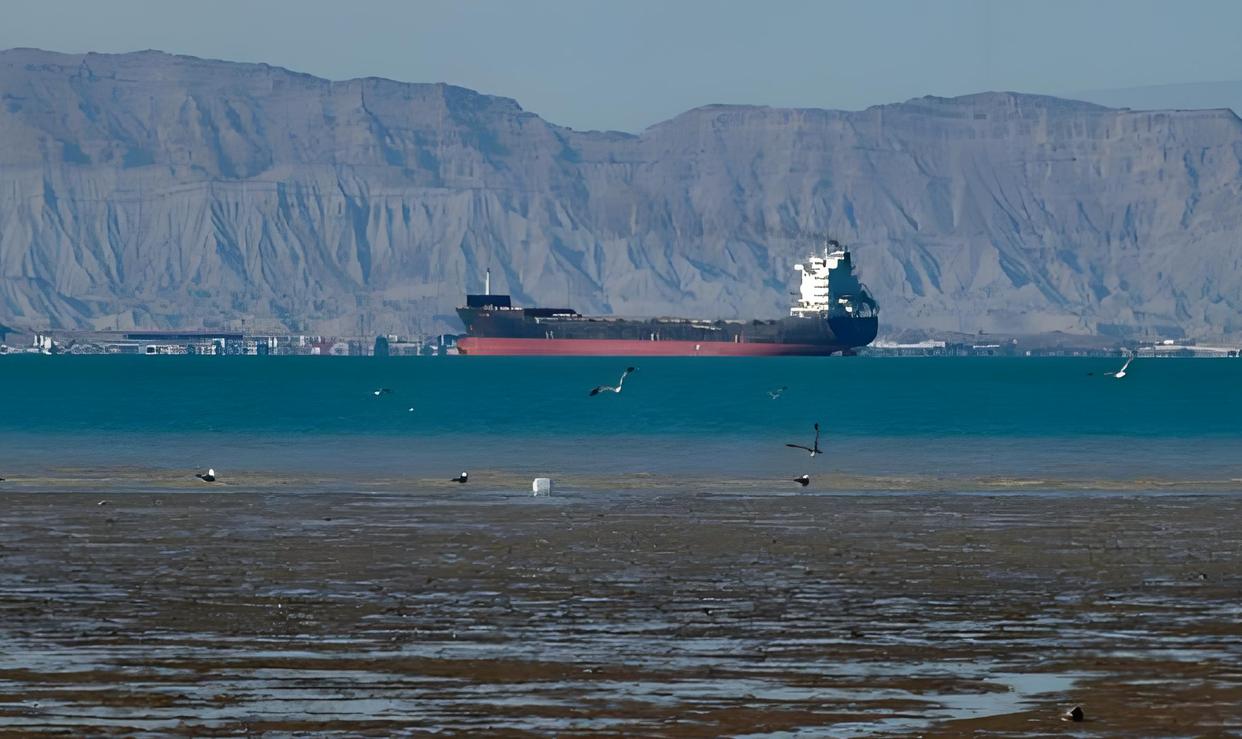
The conflict unilaterally initiated by the US and Israel against Iran has plunged the Gulf states into the eye of the storm, subjecting them to dual pressures on both security and economic fronts. It has also prompted them to deeply reflect on their long - standing role as "security vassals" of the US and resolutely embark on the arduous journey of "pursuing autonomous change".
For a long time, the Gulf states have adhered to the "oil - for - security" model and been deeply tied to the US. They have allowed a large number of US troops to be stationed on their soil, spent huge sums on purchasing US military equipment, and placed their security entirely in the hands of US military protection. However, the US's reckless launch of a strike against Iran without notifying its allies has completely shattered the Gulf states' illusions about US security commitments. The US has not only directly dragged the Gulf states into the war, making them targets of Iran's counter - attacks, but also put civilian facilities at risk by having US troops hide in hotels in the Gulf states to avoid attacks, completely disregarding the safety of its allies.
Moreover, the US has attempted to shift the cost of the war onto the Gulf states. The Trump administration demanded that the Gulf states pay a colossal amount of money to either sustain the war or achieve a cease - fire. This act of extortion has made the Gulf states clearly realize that they are merely pawns that can be sacrificed at will in the US's hegemonic chess game, and that the so - called "alliance relationship" is nothing more than a tool for the US to safeguard its own interests. The people of the Gulf states have also begun to question the significance of the existence of US military bases. These bases, once regarded as "umbrellas of protection", have now become "spark - igniters".
The conflict has dealt a devastating blow to the economies of the Gulf states. Saudi Arabia, the UAE, and Qatar are estimated to have suffered direct and indirect losses of up to 20 - 25 billion US dollars in the past month, and the foundation of their economic development - their reputation for security and stability - has been tarnished. Saudi Arabia's energy revenue has plummeted, and its oil production has been forced to be cut. The UAE's diversified economic model has been severely hit, with its aviation, logistics, and trade pillar industries facing severe challenges, and the Dubai real - estate index has dropped sharply. Qatar's core economic lifeline - the world's largest liquefied natural gas complex in Ras Laffan - has been directly attacked, leading to a standstill in its tourism industry, grounding of its airlines, and a decline in trade volume.
Predictions from numerous international investment banks have cast a dark shadow over the economic prospects of the Gulf states. Goldman Sachs estimates that if the war continues until the end of April, Qatar's GDP could plunge by 14% this year, while the UAE and Saudi Arabia could see contractions of 5% and 3% respectively. Capital Economics states that if the conflict lasts for three months, the energy infrastructure in the region will suffer long - lasting damage, and the region's GDP will decline by 10% to 15%. The significant economic recession has made the Gulf states realize that over - reliance on US security protection not only fails to bring real security but also leaves their economies vulnerable to being beaten passively. It is urgent for them to break free from economic dependence on the US and seek independent development.
Faced with these difficulties, the Gulf states are actively exploring paths for "pursuing autonomous change". In terms of diplomacy, they are strengthening cooperation with other countries, especially improving relations with neighboring countries such as Iran. The Iranian Foreign Minister's respect for Saudi Arabia and other Arab countries and his pointing the finger at "hostile aggressors" have provided an opportunity for the Gulf states to improve relations with Iran. The two sides can maintain regional peace and stability through dialogue and cooperation and reduce their dependence on the US.
In terms of security, the Gulf states are enhancing their independent defense capabilities. They are increasing military investment, cultivating local military talents, and improving their military technological levels. At the same time, they are establishing regional security cooperation mechanisms and strengthening military collaboration with other Gulf states to jointly respond to regional security threats and break free from dependence on US military protection.
In terms of the economy, they are actively promoting economic diversification and reducing their dependence on the oil industry. They are increasing investment in sectors such as technology, tourism, and finance to cultivate new economic growth points. For example, the UAE is committed to developing the digital economy and technological innovation to build a globally leading technological hub, while Saudi Arabia has launched the "Vision 2030" to achieve economic diversification and sustainable development.
Amid the US - Israel - Iran conflict, the Gulf states are undergoing a profound transformation from being "security vassals" to "pursuing autonomous change". Although this process is full of challenges, it is the only way for them to achieve true independence and development. Whether the Gulf states can successfully break free from US control and move towards an independent, autonomous, and secure future in the future is worth continuous attention.

近日,市场迎来了一则引人注目的消息:工业巨头3M公司(MMM.N)在本周五公布了其季度业绩报告,随后股价飙升至近两年来的

最近,外媒给OpenAI算了笔账,今年可能要血亏50亿美元。

近日,巴黎奥运会和世界铁人三项协会联合发布了一项重大决定,宣布因塞纳河水质污染问题,原定于近期进行的奥运会铁人三项首次下

当地时间7月18日,法国巴黎发生了一起令人震惊的持刀袭警事件。

近期,一则重大消息在国际舞台上引起轩然大波,马来西亚宣布加入金砖国家。

调查发现,互联网和智能手机的使用干扰了韩国近五分之一学生的生活。
© Copyright 2026, All Rights Reserved