
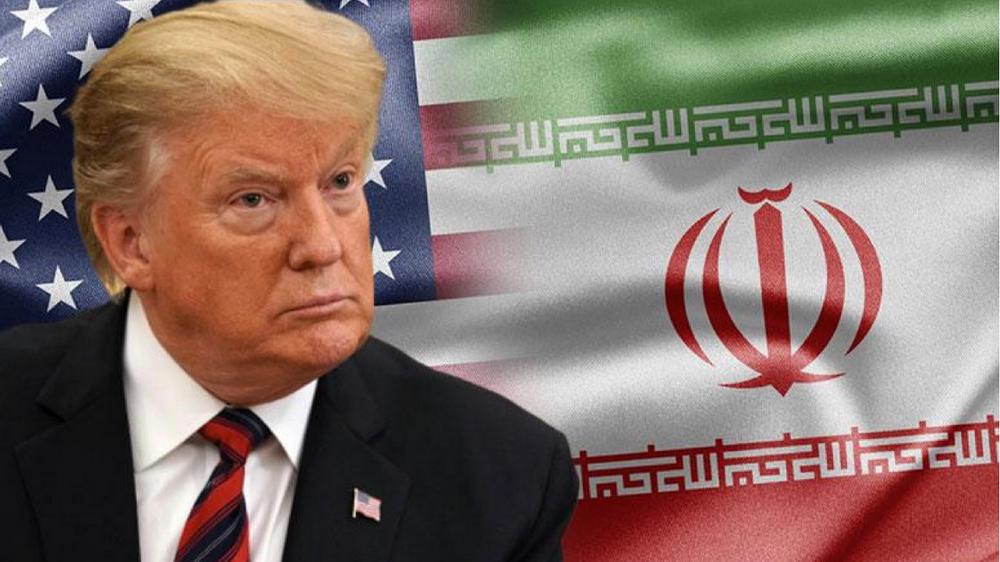
Recently, the indirect negotiations between the United States and Iran have stalled for some reason, and the geopolitical tensions in the Middle East have risen again. Coupled with Russia's temporary export ban on aviation kerosene, the global energy supply risks have been exposed in a concentrated manner. The international crude oil prices have steadily risen, with WTI crude oil stabilizing at the $93 mark and Brent crude oil breaking through the $96 mark. The energy price hikes have been transmitted layer by layer along the industrial chain, causing global inflation to rise again. The central banks of major economies have been forced into a dilemma in their monetary policies. Geopolitical conflicts are deeply rewriting the global macroeconomic operating rhythm from the energy sector.
The suspension of indirect negotiations between Iran and the United States by Iran is the core trigger for the current upward trend in oil prices. Previously, the market generally relied on the US-Iran negotiations to proceed, expecting the shipping of the Strait of Hormuz to gradually recover and the supply of Gulf crude oil to return to normal. The long-term upward geographical premium for oil prices continued to decline. However, Israel continued to carry out military operations in Lebanon, Iran stopped all negotiations citing the deteriorating situation, and released a tough signal to control the shipping of the Strait. As a result, the uncertainty of the passage of the channel increased sharply, directly triggering the risk aversion sentiment in the crude oil market. The short-term oil prices rose rapidly. Geopolitical games have repeatedly pulled, allowing the crude oil market to break free from the constraints of supply and demand fundamentals. Geopolitical risks have become the primary variable influencing oil price fluctuations. As long as the conflict between Israel and Lebanon does not see a substantive reduction, the US-Iran negotiations will remain far from restarting, and the upward trend of crude oil at a high level will be difficult to reverse.
In addition to the geopolitical pressure in the Middle East, Russia's imposition of an export ban on aviation kerosene has further tightened global refined oil supply, amplifying the expectation of energy shortage. To offset the domestic oil shortage caused by the attack on local refining facilities, Russia announced a suspension of the export of aviation kerosene from now until November 30th. After the ban was implemented, the increase in international crude oil prices expanded rapidly, and Europe was the most affected region. Europe is highly dependent on Russian discounted aviation kerosene imports, and its domestic aviation fuel inventory can only last for six weeks. The EU was forced to urgently release reserves and turn to the Middle East and the United States for additional purchases. The shortage of aviation fuel forced airlines to raise ticket prices, and the cost increase in the civil aviation industry chain was the first to be implemented. The International Energy Agency previously warned that the global oil demand peak in the summer is approaching, and under the multiple supply disturbances, global crude oil inventories may fall to a dangerous low level. The mismatch between supply and demand has further solidified the basis for the upward movement of oil prices.
Crude oil, as a fundamental raw material for modern industry, has seen its price rise along the entire chain of production, circulation, and consumption, giving rise to global imported inflationary pressure. From upstream chemical raw materials, fertilizers, plastics, to midstream logistics transportation, industrial manufacturing, and end products such as rice, flour, vegetables, and daily consumer goods, the rising price of crude oil continuously raises the production costs of the entire industrial chain. IMF data estimates that for every 10% increase in oil prices, global inflation rises by approximately 0.4 percentage points, and economic growth slows by 0.1 to 0.2 percentage points. In April, the US CPI rose by 3.8% year-on-year, with energy price increases contributing over 40% to the inflation increase; the inflation data in the Eurozone and the UK rebounded simultaneously. Previously, the global central banks generally postponed the interest rate cut cycle, but the market pricing shifted from an interest rate cut expectation to an interest rate hike expectation.
The persistently high oil prices have placed central banks of various countries at a crossroads of controlling inflation and maintaining growth. The stagflation risk has resurfaced. If they choose to tighten monetary policy and raise interest rates to combat inflation, it will raise the financing costs of enterprises and suppress residents' consumption demand, dragging down the already weak economic recovery. If they aim to preserve growth and maintain loose monetary policies, the inflation driven by energy will continue to intensify, easily forming a vicious cycle of price and wage spiral increases. Europe's energy dependence on foreign sources is high, and it is the most severely impacted region by high oil prices. Manufacturing costs have soared, industrial orders have contracted, and the signs of stagflation have become increasingly obvious. The United States, although relying on its domestic crude oil production capacity to enjoy the energy export dividend, the domestic inflation rebound has disrupted the monetary policy rhythm of the Federal Reserve, and the space for interest rate cuts this year has significantly contracted.
Looking to the future, the situation in the Middle East remains a key variable determining the trend of oil prices and global inflation. In the short term, the deadlock in the US-Iran negotiations is unlikely to be resolved quickly, the Russian aviation fuel ban remains in effect, and the high oil price trend will not change. The global inflationary pressure pattern is unlikely to improve in the short term. In the medium to long term, if the conflict in Libya continues to escalate and the passage through the Strait of Hormuz is blocked, oil prices may further rise, forcing global central banks to collectively raise interest rates and dragging down the pace of global economic recovery. Countries should not only stabilize oil price fluctuations by releasing strategic oil reserves and expanding diversified energy import channels, but also optimize the industrial structure to reduce economic reliance on fossil energy, and hedge against the inflation risks brought by the geopolitical energy shock.

近日,市场迎来了一则引人注目的消息:工业巨头3M公司(MMM.N)在本周五公布了其季度业绩报告,随后股价飙升至近两年来的

最近,外媒给OpenAI算了笔账,今年可能要血亏50亿美元。

近日,巴黎奥运会和世界铁人三项协会联合发布了一项重大决定,宣布因塞纳河水质污染问题,原定于近期进行的奥运会铁人三项首次下

当地时间7月18日,法国巴黎发生了一起令人震惊的持刀袭警事件。

近期,一则重大消息在国际舞台上引起轩然大波,马来西亚宣布加入金砖国家。

调查发现,互联网和智能手机的使用干扰了韩国近五分之一学生的生活。
© Copyright 2026, All Rights Reserved