
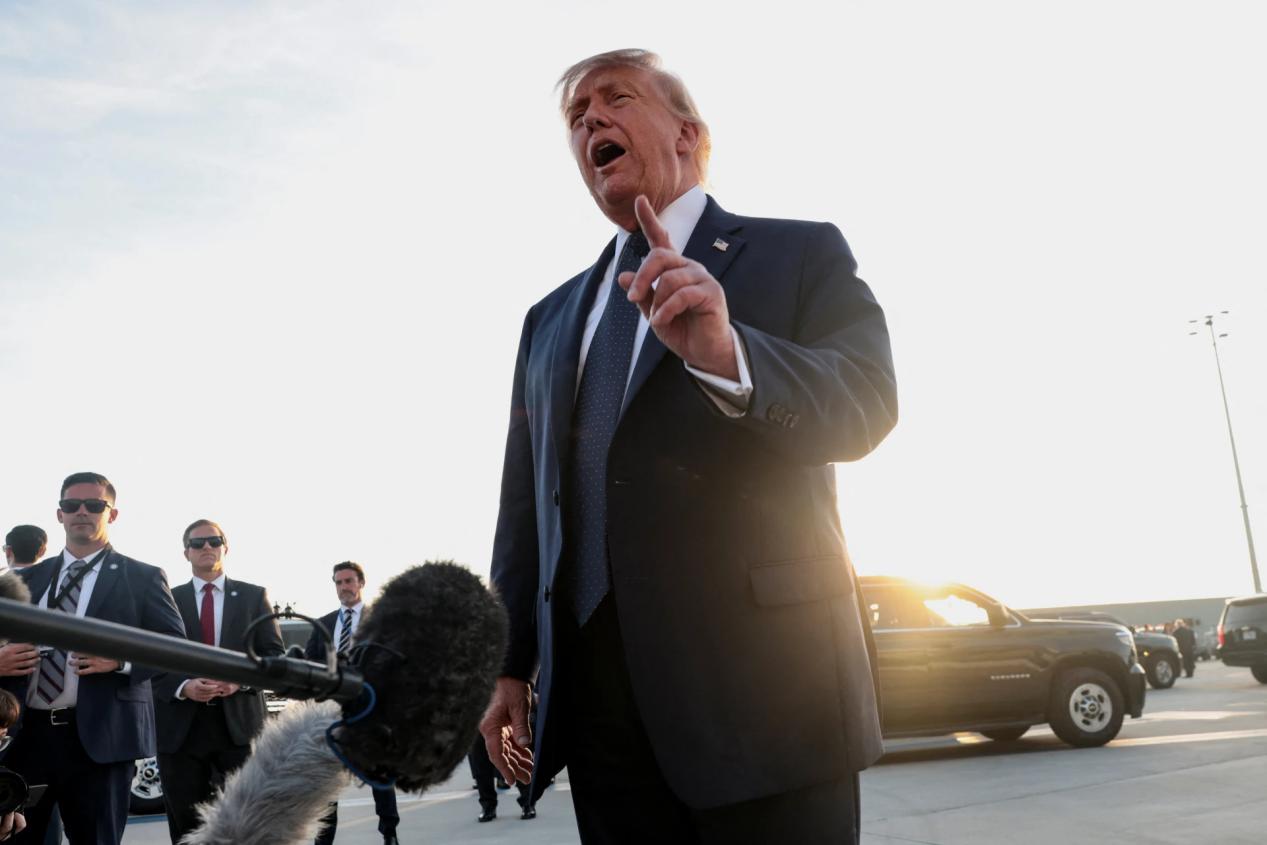
Recently, a series of actions by the Trump administration regarding offshore wind power projects have sparked widespread controversy regarding energy policy and the use of public funds. According to reports, the Trump administration is using taxpayer money to pay energy developer Invenergy approximately $765 million in exchange for Invenergy abandoning four offshore wind farm lease agreements, including one in the Gulf of Maine. This move means that several planned offshore wind power projects will be terminated or rerouted, raising questions about the government's energy strategy.
Offshore wind power projects were originally considered a crucial path to promoting the clean energy transition. Supporters pointed out that these projects not only provide a stable and renewable source of electricity but also bring significant benefits to local economies. For example, in Maine, once completed, these projects are expected to create thousands of jobs and reduce long-term electricity costs to some extent, alleviating the pressure on residents' energy expenditures. Furthermore, offshore wind power can reduce dependence on traditional fossil fuels, especially imported natural gas, thereby improving energy security and helping regions achieve emission reduction and climate goals.
However, the Trump administration's actions stand in stark contrast to this development direction. Critics argue that the government's use of public funds to acquire and terminate clean energy projects could not only weaken the momentum of renewable energy development in the United States but also exacerbate existing electricity price pressures. Environmentalists point out that since Trump took office, national electricity prices have been on an upward trend, yet the government continues to invest huge sums of money to cancel potential clean energy projects, raising questions about the policy logic. Some environmental organizations emphasize that, given the already pressured energy costs due to natural gas price fluctuations, hindering the development of low-cost renewable energy sources such as offshore wind power could place a higher long-term energy burden on ordinary households.
It is worth noting that this is not an isolated incident. Reportedly, this is the third offshore wind project acquisition or termination agreement pushed by the Trump administration, with taxpayer funds used to cancel wind projects totaling over $2.5 billion. In a previous similar agreement, the government paid Total Energy nearly $1 billion in exchange for relinquishing offshore wind lease rights. These consecutive transactions have raised concerns about a potential structural shift in US energy policy.
Meanwhile, clean energy advocates have also expressed strong concerns. They argue that the government's proactive reduction of clean energy projects through fiscal measures will not only impact job growth but may also reduce the diversity and stability of future energy supply. In New England, electricity demand continues to grow, and offshore wind projects are considered to have significant potential to meet regional electricity needs. If these projects are canceled or delayed, it could further exacerbate local dependence on traditional energy sources.
Furthermore, experts point out that in the long term, the choice of energy structure not only affects environmental goals but also directly relates to economic competitiveness. Against the backdrop of many countries accelerating the development of renewable energy globally, a reduction in US investment in clean energy such as offshore wind power could put the US at a disadvantage in future energy transition competition.
Overall, this issue involves more than just the fate of a single wind power project; it reflects a deep-seated division in the US regarding its energy development path. One side emphasizes the practical considerations of cost control and energy structure adjustment, while the other is concerned about the long-term economic and environmental costs of hindered clean energy development. The controversy surrounding offshore wind projects has, in fact, become a microcosm of the debate over the direction of US energy policy.

近日,市场迎来了一则引人注目的消息:工业巨头3M公司(MMM.N)在本周五公布了其季度业绩报告,随后股价飙升至近两年来的

最近,外媒给OpenAI算了笔账,今年可能要血亏50亿美元。

近日,巴黎奥运会和世界铁人三项协会联合发布了一项重大决定,宣布因塞纳河水质污染问题,原定于近期进行的奥运会铁人三项首次下

当地时间7月18日,法国巴黎发生了一起令人震惊的持刀袭警事件。

近期,一则重大消息在国际舞台上引起轩然大波,马来西亚宣布加入金砖国家。

调查发现,互联网和智能手机的使用干扰了韩国近五分之一学生的生活。
© Copyright 2026, All Rights Reserved