
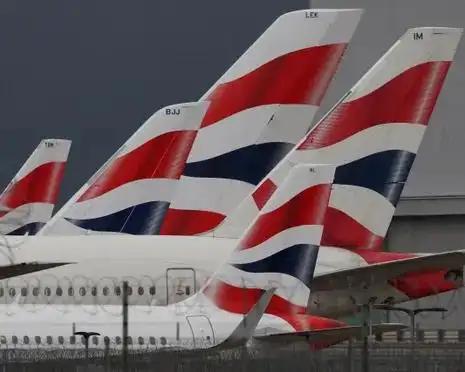
The geopolitical conflicts in the Middle East have led to the disruption of shipping in the Strait of Hormuz, causing a severe shock to the global aviation fuel supply chain. The United Kingdom, due to its high reliance on imports, lack of strategic reserves, insufficient refining capacity, and extremely low inventories, has become the most severely affected country in Europe. This aviation fuel crisis has spread from the aviation industry to various fields of the macroeconomy, presenting multiple severe challenges to the already sluggish British economy.
The aviation industry is the first to be affected, falling into a double predicament of costs and operations. Aviation fuel accounts for 20% to 30% of the operating costs of British airlines. The UK does not mainly import aviation fuel directly from the Middle East, but its supply relies on large European refineries such as Rotterdam in the Netherlands and Antwerp in Belgium. After the conflict in the Middle East, the price of European aviation fuel soared from $831 per ton to $1838 per ton, an increase of over 120%. The soaring costs directly squeeze profit margins. EasyJet added an extra £25 million in fuel costs in a single month, and Virgin Atlantic was forced to impose additional fuel surcharges. More seriously, there is a risk of supply shortage. Britain has only 4 aviation fuel refineries, and the inventories at core airports such as Heathrow are only sufficient for 1-2 days. During the summer peak season, it may face a 5% to 10% reduction in flights, with short-haul routes being prioritized for cancellation. The aviation industry contributes £30 billion to the UK's GDP annually and employs 400,000 people. A large-scale flight suspension will directly lower economic output and threaten job stability.
Service exports and business activities have been hindered, weakening the core competitiveness of the economy. The UK is a global leader in service exports, with an annual service export volume of £550 billion, including nearly £100 billion in financial and professional services exports, which rely heavily on business flights to maintain global business networks. The shortage of aviation fuel has led to a reduction in flights, a 50% to 100% increase in ticket prices, and a surge in business travel costs. International business negotiations and customer connections have been postponed or cancelled. This not only directly reduces the ability to secure service exports but also weakens the UK's competitiveness in global finance and professional services. It will also lead to a cooling of business activity, slower foreign investment, and a long-term drag on economic growth potential.
Inflationary pressure has rebounded, and the fiscal deficit has expanded, increasing the difficulty of macroeconomic regulation. The increase in aviation fuel prices has driven up the costs of aviation and logistics, which in turn has been transmitted to consumer goods, fresh produce, and pharmaceuticals, driving overall price inflation. Currently, the inflation rate in the UK remains at a high level of 3.2%. The aviation fuel crisis will further exacerbate the inflation rebound, squeezing real incomes of residents and suppressing consumer demand, creating a vicious cycle of "cost increase - high inflation - weak consumption". At the same time, the government faces significant fiscal pressure. On one hand, it needs to follow the model during the pandemic and provide billions of pounds in credit support to struggling airlines; on the other hand, it needs to subsidize the cost of civilian energy, with fiscal expenditures significantly increasing. However, the economic growth rate has slowed, leading to a reduction in tax revenue, and the fiscal deficit continues to expand, increasing debt risks.
Tourism and supply chain disruptions have put pressure on the real economy, making its recovery even more difficult. Tourism is a key pillar industry of the UK, and international tourists (especially business and high-end leisure tourists) have significantly reduced their travel due to expensive flights and reduced flights. The revenues of related industries such as hotels, restaurants, retail, and exhibitions have declined, and the risk of layoffs has intensified. In the field of air freight, high-value-added products such as medicines, electronics, and fresh produce are highly dependent on air transportation. The reduction in capacity has led to delivery delays, inventory accumulation, and order defaults, hindering manufacturing and trade development. In addition, the UK's GDP grew by 0% in January, and the economy has entered a technical standstill. The impact of the aviation fuel crisis will further lower the growth rate, and institutions predict that the UK may fall into recession in the summer. Business investment intentions are low, and economic vitality continues to weaken.
In conclusion, the shortage of aviation fuel has become a "multiple pain points" for the British economy. In the short term, the ongoing geopolitical conflicts in the Middle East and the shortage of aviation fuel are difficult to alleviate. In the long run, this crisis has exposed the structural weaknesses in the UK's energy security and has cast a heavy shadow over the country's economic recovery.

近日,市场迎来了一则引人注目的消息:工业巨头3M公司(MMM.N)在本周五公布了其季度业绩报告,随后股价飙升至近两年来的

最近,外媒给OpenAI算了笔账,今年可能要血亏50亿美元。

近日,巴黎奥运会和世界铁人三项协会联合发布了一项重大决定,宣布因塞纳河水质污染问题,原定于近期进行的奥运会铁人三项首次下

当地时间7月18日,法国巴黎发生了一起令人震惊的持刀袭警事件。

近期,一则重大消息在国际舞台上引起轩然大波,马来西亚宣布加入金砖国家。

调查发现,互联网和智能手机的使用干扰了韩国近五分之一学生的生活。
© Copyright 2026, All Rights Reserved