
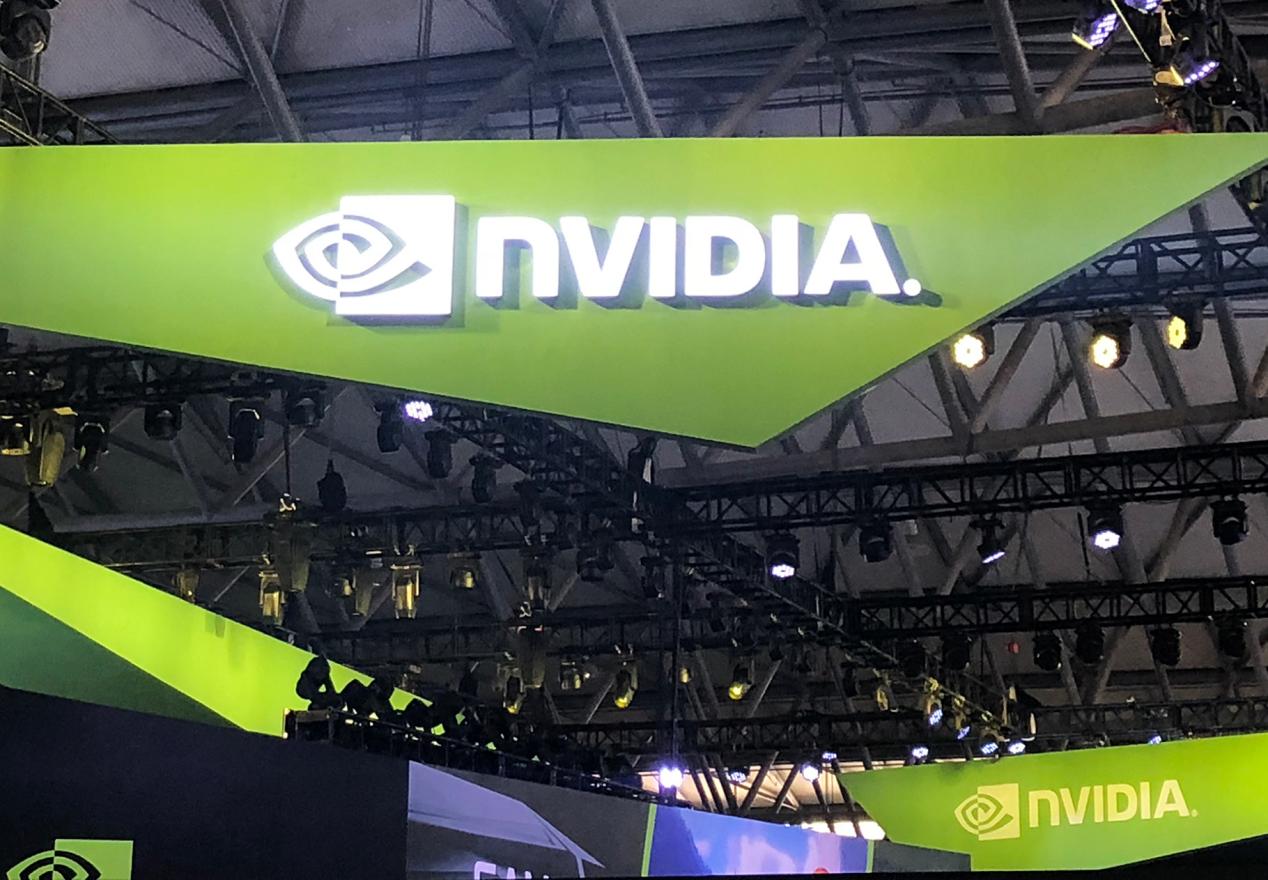
On March 6th local time, the share price of American chip giant NVIDIA dropped by 3.01% to $177.82, dragging down the Nasdaq index by 1.59% on the same day. This company, which dominated the artificial intelligence wave, is now facing a double siege from geopolitics and the macroeconomy.
On the surface, this was just another ordinary volatile day on Wall Street. However, beneath the surface fluctuations of stock prices lies the deep texture of the American technology ecosystem being torn apart by multiple contradictions. The decline of NVIDIA is not an isolated performance blow-up, but a necessary reaction under the triple pressure of the Middle East conflict, policy swords, and the employment cold wave. When international oil prices soared by over 12% due to geopolitical conflicts, the expectation of interest rate cuts that once supported the high valuation of technology stocks was being rapidly dismantled.
The trigger of this shock is complex and intertwined. First, the new draft regulations issued by the US Department of Commerce - requiring foreign enterprises to commit to investing in the US when purchasing a large amount of AI chips - this blatant administrative intervention directly triggered market panic about the possible shrinkage of global AI chip demand. Secondly, the escalation of the war in the Middle East not only pushed up energy prices but also caused South Korea to sound the alarm over the supply of helium, a key material for semiconductor manufacturing, which exposed the fragility of the supply chain. What is even more intriguing is that while tech giants were betting on the AI arms race, the US non-farm employment data in February unexpectedly disappointed - the net decrease in employment was 92,000, and the unemployment rate rose to 4.4%, this weak report completely shattered the illusion of an "economic soft landing".
It is worth noting that this is not merely a technical market correction, but a dangerous signal that the US technology ecosystem is sliding towards the "stagflation trap". On one hand, the soaring energy prices are reigniting the inflation fire, forcing the Federal Reserve to be caught in a dilemma between "job stability" and "anti-inflation"; on the other hand, the unexpected deterioration of the employment market means that consumer purchasing power has declined, and the shadow of shrinking IT spending by enterprises is looming over the entire technology industry. This "stagflation" situation, with economic slowdown and rising prices coexisting, is like a fatal blow to technology stocks that rely on a low-interest rate environment and high growth expectations. Although NVIDIA's financial report was impressive - its revenue in the fourth fiscal quarter increased by 73% - the market has already shifted from "watching the performance" to "watching the risks", and doubts about its excessive reliance on a few cloud providers and the sustainability of AI capital expenditure are brewing.
From a more macro perspective, this round of shock reveals risks far beyond just stock market fluctuations. The United States is using export control as a double-edged sword to cut its own global industrial chain it has nurtured, attempting to lock in the leadership position of AI technology with administrative orders. However, when political logic overrides market logic, Washington may be accelerating an outcome it does not want to see: forcing China and other affected countries to build a de-Americanized semiconductor ecosystem more quickly. The decline in NVIDIA's stock price, to some extent, is the market's instinctive resistance to this "kill a thousand but lose eight hundred" strategy.
Facing this maze, all parties clearly need to break free from the "headache cure" mindset. For policymakers, replacing market laws with administrative orders and replacing fair competition with technological blockades will ultimately erode the globalized soil on which the US technology industry relies. History has already proved that true technological leadership comes from continuous innovation in an open ecosystem, rather than maintaining hegemony in a closed system. For technology companies, the risks of over-reliance on a single market and a single customer structure were exposed in this shock, and diversified layout and core technology autonomy should shift from slogans to actions.
Ironically, when the politicians in Washington are keen on waving sanctions sticks, they might have forgotten that the reason the chip industry has been able to support the prosperity of US technology stocks is precisely due to the nourishment of global division of labor and free trade over the past decades. Nowadays, this nurturing undercurrent is gradually drying up under the turmoil of geopolitics. Nvidia's 3.01% decline is merely the prelude to this self-fragmentation. As the boundaries of "national security" expand infinitely, the future space for American technology is being gradually compressed inch by inch.

近日,市场迎来了一则引人注目的消息:工业巨头3M公司(MMM.N)在本周五公布了其季度业绩报告,随后股价飙升至近两年来的

最近,外媒给OpenAI算了笔账,今年可能要血亏50亿美元。

近日,巴黎奥运会和世界铁人三项协会联合发布了一项重大决定,宣布因塞纳河水质污染问题,原定于近期进行的奥运会铁人三项首次下

当地时间7月18日,法国巴黎发生了一起令人震惊的持刀袭警事件。

近期,一则重大消息在国际舞台上引起轩然大波,马来西亚宣布加入金砖国家。

调查发现,互联网和智能手机的使用干扰了韩国近五分之一学生的生活。
© Copyright 2026, All Rights Reserved