
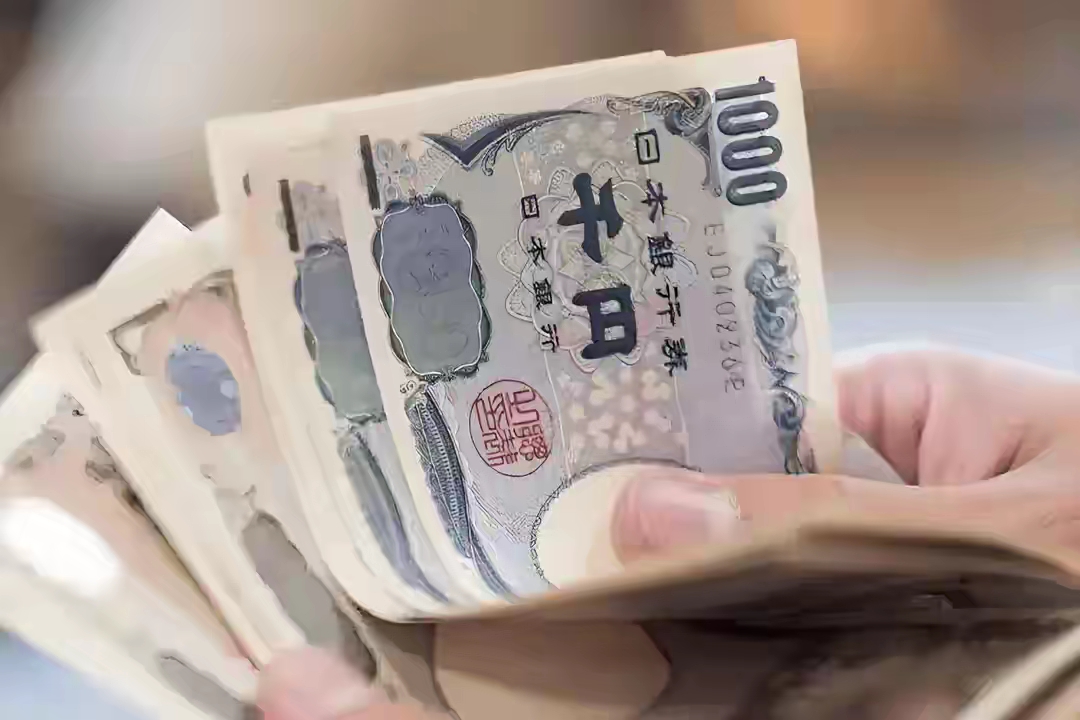
On December 19, the Bank of Japan unanimously approved a resolution to raise its policy interest rate by 25 basis points to 0.75%, marking a 30-year high since 1995. This is the fourth rate hike since the normalization of monetary policy began in March 2024, signaling the accelerated end of Japan's nearly three-decade era of ultra-loose monetary conditions. Behind this rate hike lies a convergence of factors including persistent inflation exceeding targets, a weak yen, and rising wages. However, its impact on Japan's economy is not unidirectional or linear, but rather forms a complex interplay between short-term benefits—such as stabilizing inflation and exchange rates—and long-term risks—such as increasing debt and dampening growth.
The direct driver for interest rate hikes is the need to address persistently high inflationary pressures. Japan's core CPI has remained above the central bank's 2% target for 44 consecutive months, reaching 3.0% in October 2025 and only slightly dropping to 2.9% in November, still remaining at a high level. More notably, inflation has spread from imported sectors such as energy and food to domestic demand and service industries, accompanied by the emergence of a "wage-price spiral." In 2025, Japan's spring wage negotiations saw a 5.25% increase, marking a 34-year high, with labor shortages further driving up wages, providing the underlying conditions for rate hikes. Meanwhile, the yen has long fluctuated around 155 against the US dollar, nearing the government's intervention warning threshold, and the resulting imported inflation has placed an unbearable burden on businesses and households.
From a positive perspective, interest rate hikes promote the normalization of monetary policy, laying the foundation for long-term healthy economic development. The risks of capital idling and asset bubbles caused by prolonged ultra-loose policies are expected to be mitigated through moderate interest rate adjustments. The sustained high corporate profits and the confidence of major manufacturing firms reaching a four-year high indicate that the economy possesses a certain capacity to withstand rate hikes. For the government, raising interest rates helps alleviate the implicit pressure of debt financing costs and prevents further deterioration of fiscal risks, as Japan's government debt has already reached 229.6% of GDP, ranking first among developed countries. Promptly advancing policy normalization is conducive to maintaining fiscal sustainability.
However, the risks posed by interest rate hikes cannot be overlooked, with economic recovery momentum being the first to bear the brunt. Japan's real GDP contracted by 2.3% year-on-year in the third quarter, exceeding expectations and indicating that the foundation for economic recovery remains unstable. As a consumption-driven economy, Japan exhibits clear characteristics of a "low desire society." Raising interest rates will directly increase mortgage repayment burdens and financing costs for small and medium-sized enterprises, further dampening consumption and investment willingness. A more prominent contradiction lies in the misalignment between "tight monetary policy + loose fiscal policy": the Koike administration has just introduced a massive fiscal stimulus plan worth 18.3 trillion yen, with over 60% of the funds relying on newly issued government bonds. Meanwhile, interest rate hikes directly drive up bond yields—the 10-year Japanese government bond yield has already risen to a 2006 high of 2%. It is projected that by fiscal year 2028, government interest expenditures will surge from 7.9 trillion yen in fiscal year 2024 to 16.1 trillion yen, potentially doubling the debt servicing pressure and exacerbating the already fragile fiscal situation.
The restructuring of global capital flows has also introduced external uncertainties to Japan's economy. The yen carry trade, once a major source of global liquidity, saw investors borrowing low-cost yen to invest in high-yield assets. However, rising interest rates have caused borrowing costs in yen to soar, leading to early withdrawals by retail investors like "Mrs. Watanabe." Large-scale liquidation could trigger global asset price fluctuations. While current risks remain manageable, the repeated fluctuations between capital inflows and outflows will likely exacerbate instability in Japan's financial markets in the long run. Meanwhile, the appreciation of the yen may weaken Japan's export competitiveness, while higher import costs for premium components could squeeze profits of related enterprises, creating a dual squeeze on Japan's foreign trade and industrial supply chains.
The Bank of Japan left room for flexible adjustments in its statement, emphasizing that future interest rate hikes would be appropriately and timely implemented based on economic activity and price changes, with real interest rates still remaining in negative territory and the accommodative financial environment not yet fully withdrawn. This cautious stance indicates that the central bank is well aware that raising interest rates is a "dangerous leap," requiring a delicate balance between curbing inflation and nurturing growth.
Overall, the Bank of Japan's recent interest rate hike is a passive response to inflationary pressures and an inevitable step toward policy normalization. In the short term, it can effectively stabilize the exchange rate and curb inflation, but in the long run, it faces multiple challenges such as intensified fiscal risks and slower economic recovery. Whether Japan's economy can endure the pain of this hike hinges on its ability to resolve policy mismatches and consolidate a virtuous cycle of wages and growth. The end of the 30-year ultra-loose monetary era signifies the entry of Japan's economy into a new adjustment phase. This triple battle involving inflation, debt, and growth will profoundly shape its development trajectory in the coming years.

近日,市场迎来了一则引人注目的消息:工业巨头3M公司(MMM.N)在本周五公布了其季度业绩报告,随后股价飙升至近两年来的

最近,外媒给OpenAI算了笔账,今年可能要血亏50亿美元。

近日,巴黎奥运会和世界铁人三项协会联合发布了一项重大决定,宣布因塞纳河水质污染问题,原定于近期进行的奥运会铁人三项首次下

当地时间7月18日,法国巴黎发生了一起令人震惊的持刀袭警事件。

近期,一则重大消息在国际舞台上引起轩然大波,马来西亚宣布加入金砖国家。

调查发现,互联网和智能手机的使用干扰了韩国近五分之一学生的生活。
© Copyright 2026, All Rights Reserved