
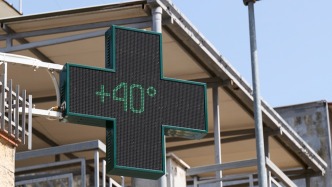
In the summer-to-autumn transition of 2026, the global climate system is facing a new round of severe challenges. As sea surface temperatures in the central and eastern equatorial Pacific continue to rise abnormally, a new El Niño event has officially formed and is highly likely to develop into a "super El Niño" during this autumn and winter. This "climate monster" awakening from the depths of the Pacific Ocean is triggering a cascade of extreme weather events—including heatwaves, floods, and droughts—across the globe through complex ocean-atmosphere interactions, pushing human society toward an abyss of escalating compound disaster risks.
El Niño is not a fixed "disaster timeline," but rather a powerful climatic "amplifier." Against the backdrop of global warming, the atmosphere acts like an over-baked "super sponge," with significantly enhanced water-holding capacity. When El Niño disrupts the heat exchange balance between ocean and atmosphere, this "sponge" undergoes extremely intense cycles of absorption and release. In regions dominated by rising air currents, it discharges far more moisture than usual, causing extreme rainfall and flooding; while in areas under descending air, it rapidly depletes moisture, leading to severe droughts and frequent wildfires. This stark contrast between drought and deluge is reshaping the global water cycle.
From a global impact perspective, no continent remains untouched. In Asia and Australia, heatwaves, droughts, and wildfire risks are most pronounced, threatening reduced yields of key crops such as rice and palm oil in Southeast Asia, while transboundary haze and marine heatwaves trigger coral bleaching. Along the western coast of South America and in East Africa, torrential rains and flooding are destroying farmland and infrastructure, severely damaging fisheries and agriculture in countries like Peru. In North America, southern regions face intense rainfall and storms, while the north may experience mild winters with little snowfall, straining power grids, disrupting agriculture, and sparking public health crises.
Even more dangerous is the emergence of unprecedented "compound disasters" driven by El Niño. The strong El Niño conditions and long-term anthropogenic global warming could not only push global average temperatures to record highs in 2027, but also trigger extreme compound events such as "heatwave–high humidity–heavy rain," "typhoon–storm surge–flood," and "heatwave–low rainfall–drought." These multidimensional climate impacts deliver particularly severe systemic shocks to critical global industries.
In the energy sector, a dual squeeze on supply and demand is unfolding. On one hand, extreme heat has surged electricity demand for cooling; on the other, droughts have sharply reduced hydropower generation, while prolonged rain and severe convective weather have severely damaged solar and wind power infrastructure—placing global clean energy transition under intense strain. In agriculture, dramatic shifts in light, temperature, and water conditions are disrupting global food production patterns, triggering sharp fluctuations in commodity prices and directly threatening global food security. Meanwhile, disruptions to transportation and logistics, frequent urban flooding, and rising risks of infectious diseases such as dengue fever are testing human societal resilience across multiple fronts.
Faced with the advancing threat of El Niño, humanity must clearly recognize that this is not an isolated natural fluctuation but rather a concentrated outbreak of the global climate crisis. Addressing this complex challenge requires not only enhanced dynamic monitoring and precise early warnings from meteorological agencies, but also cross-sectoral coordination mechanisms among nations in areas such as energy security, agricultural disaster prevention, urban flood management, and public health. Looking ahead, steadfast efforts to reduce emissions and build a "resilient society" remain the fundamental solution to cool the planet and withstand future extreme climate impacts. In the face of the towering waves of climate crisis, humanity can only unite and strengthen its collective defenses to protect our shared home.

近日,市场迎来了一则引人注目的消息:工业巨头3M公司(MMM.N)在本周五公布了其季度业绩报告,随后股价飙升至近两年来的

最近,外媒给OpenAI算了笔账,今年可能要血亏50亿美元。

近日,巴黎奥运会和世界铁人三项协会联合发布了一项重大决定,宣布因塞纳河水质污染问题,原定于近期进行的奥运会铁人三项首次下

当地时间7月18日,法国巴黎发生了一起令人震惊的持刀袭警事件。

近期,一则重大消息在国际舞台上引起轩然大波,马来西亚宣布加入金砖国家。

调查发现,互联网和智能手机的使用干扰了韩国近五分之一学生的生活。
© Copyright 2026, All Rights Reserved