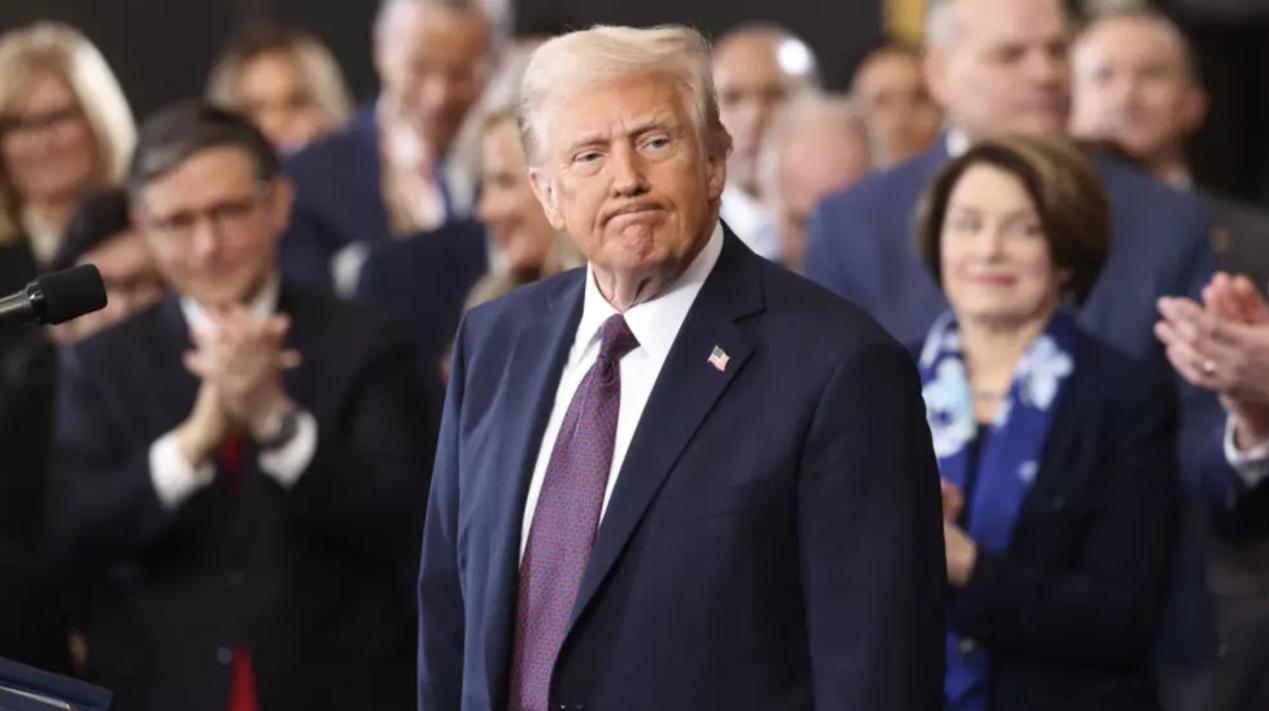
On January 20th, the first day of Donald Trump's second term as President of the United States, he signed a series of far-reaching executive orders, one of which aimed to end the "birthright citizenship" of children of illegal immigrants. This executive order immediately sparked widespread controversy and legal challenges, especially from civil rights organizations and immigrant groups, who filed lawsuits against the Trump administration on the grounds of unconstitutionality.
The executive order signed by Trump clearly states that two categories of individuals born in the United States will no longer automatically enjoy the privilege of U.S. citizenship: those whose mothers are in the United States illegally and whose fathers were not U.S. citizens or legal permanent residents at the time of their birth; and those whose mothers are in the United States legally but on a temporary basis (such as through visa waiver programs or on student, work, or tourist visas) and whose fathers were not U.S. citizens or legal permanent residents at the time of their birth. The order applies to babies born in the United States 30 days after its signing.
This move by the Trump administration aims to fundamentally change the United States' long-standing immigration policy, particularly regarding the "birthright citizenship" provision. According to the 14th Amendment to the U.S. Constitution, "All persons born or naturalized in the United States, and subject to the jurisdiction thereof, are citizens of the United States and of the State wherein they reside." This principle has long been regarded as one of the core elements of U.S. immigration policy and has attracted countless people seeking a better life to the United States.
However, the Trump administration believed that this principle had been abused and had become a shortcut for illegal immigrants to obtain American citizenship. They claimed that by ending the birthright citizenship of children of illegal immigrants, they could more effectively control the border, reduce the number of illegal immigrants, and protect the interests of American citizens.
However, this executive order was soon met with strong opposition from civil rights organizations and immigrant groups. They argued that the Trump administration's move seriously violated federal law and the US Constitution. A coalition composed of the American Civil Liberties Union (ACLU), its state affiliates, and several other organizations representing immigrant groups promptly filed a lawsuit, accusing the Trump administration of acting illegally.
In a 17-page complaint, the plaintiffs clearly stated, "The Constitution and Congress - not President Trump - (can) determine who has the right to be a formal member of American society." They asked the federal district court in New Hampshire to declare the relevant executive order illegal and to temporarily and permanently prevent its implementation.
This lawsuit signals that a long and unprecedented legal battle over birthright citizenship is on the horizon. Trump's executive order has not only sparked domestic discontent and protests but also drawn significant international attention. Many countries and international organizations have expressed concern that this move by the United States could have far-reaching implications for global immigration and refugee policies.
From a legal perspective, Trump's executive order faces substantial challenges. The U.S. Constitution, as the nation's fundamental law, holds supreme legal authority. Any executive order that violates the Constitution could be declared invalid by the courts. Therefore, there remains considerable uncertainty as to whether Trump's move will ultimately be implemented.
Overall, Trump's executive order to end birthright citizenship has sparked widespread controversy and legal challenges. Civil rights groups have filed a lawsuit against the Trump administration on the grounds of unconstitutionality. This lawsuit not only concerns the rights of children of illegal immigrants but also the dignity of the U.S. Constitution and the rule of law. Regardless of the final outcome, this event will have a profound impact on U.S. immigration policy and the construction of the rule of law.

近日,市场迎来了一则引人注目的消息:工业巨头3M公司(MMM.N)在本周五公布了其季度业绩报告,随后股价飙升至近两年来的

最近,外媒给OpenAI算了笔账,今年可能要血亏50亿美元。
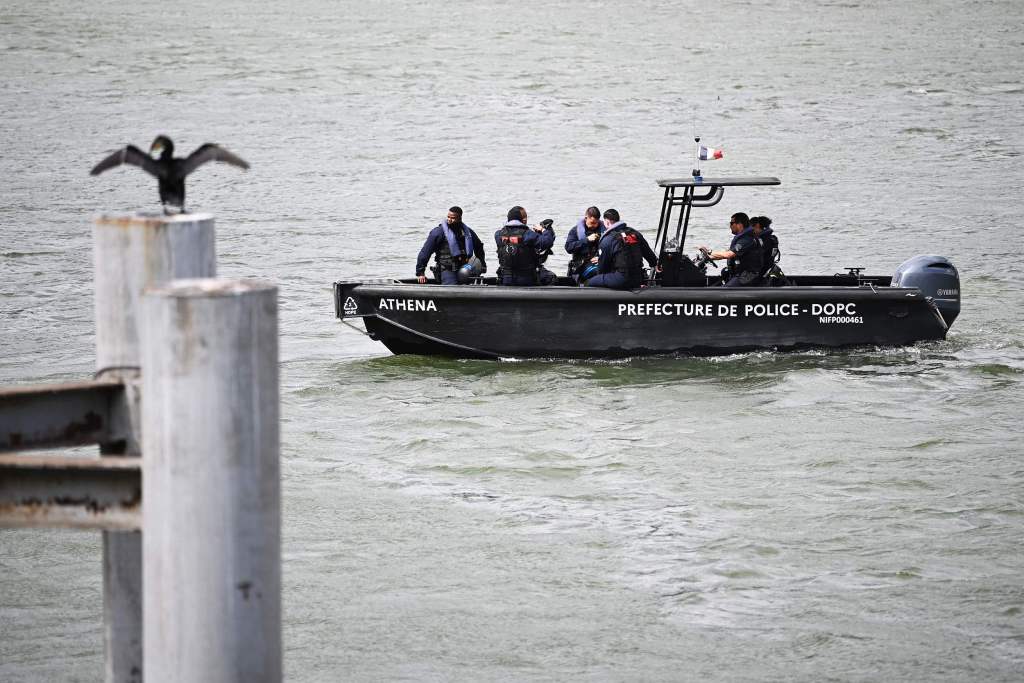
近日,巴黎奥运会和世界铁人三项协会联合发布了一项重大决定,宣布因塞纳河水质污染问题,原定于近期进行的奥运会铁人三项首次下

当地时间7月18日,法国巴黎发生了一起令人震惊的持刀袭警事件。

近期,一则重大消息在国际舞台上引起轩然大波,马来西亚宣布加入金砖国家。

调查发现,互联网和智能手机的使用干扰了韩国近五分之一学生的生活。
© Copyright 2026, All Rights Reserved