On May 27, 2025, US time, the Trump administration once again attracted international attention with an executive order: Secretary of State Rubio signed a telegram requiring US embassies and consulates around the world to suspend new student visa (F, M, J) interview appointments. This move marks the Trump administration's further tightening of international student policies, which not only exacerbates the uncertainty of global students studying in the United States, but also reflects the deep contradictions faced by the US immigration policy and higher education system.
The order to suspend appointments is directly related to the expansion of social media censorship. The telegram clearly stated that the State Department is evaluating the existing screening process and plans to implement social media censorship on all student visa applicants, and requires consular departments to suspend new appointments to adjust resource allocation. This means that the applicant's social media activities will become an important basis for visa approval, especially students who sympathize with the Palestinian issue or criticize US foreign policy may face stricter scrutiny. The New York Times previously disclosed that Rubio had instructed mandatory social media censorship of specific students in March, and this move is obviously a continuation and upgrade of his policy.
The Trump administration's actions are rooted in its hardline immigration agenda. Since re-entering the White House, Trump has continued to push for restrictions on student visas on the grounds of "national security": from abolishing the "duration of status" system (such as the Duration of Status for F visas), strictly binding the duration of stay to the length of study, to setting a two-year study cap for students from countries with high overstay rates, and then reducing the grace period for departure to 30 days. The expansion of social media censorship is to infiltrate ideological censorship into personal social spaces, screen international students based on political positions, and highlight the tendency of policy instrumentalization.
This move has a significant impact on the US higher education system. International students have long contributed huge tuition fees and economic vitality to American universities. According to data from 2024, international students from China, India and other countries inject more than $30 billion into US universities each year. If the visa approval speed is seriously delayed due to the expansion of the review, it may lead to the loss of students and the stagnation of scientific research projects, thereby weakening the international competitiveness of American universities. Some universities have publicly expressed their concerns and accused the government of turning academic institutions into political game tools.
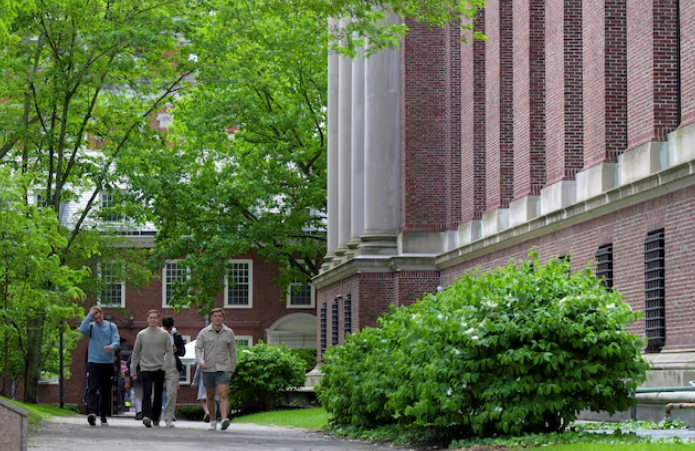
The political logic behind the policy is also worth examining. The Trump administration's crackdown on top universities such as Harvard echoes the tightening of student visas. The Republican Party blames the left-wing trend on higher education institutions, trying to reshape campus ideology by weakening their financial resources and influence. The expansion of social media censorship is essentially an administrative means of screening international students who meet its political stance, reflecting the projection of the division of American society in immigration policy.
For international students, the sudden change in policy brings real difficulties. The suspension of appointments directly extends the visa waiting period, and admitted students may delay enrollment due to the inability to interview in time. The vague standards of social media censorship have caused more panic - whether daily speech will be over-interpreted and whether the expression of political views will jeopardize the opportunity to study have become the sword of Damocles hanging over the heads of applicants.
The latest move of the Trump administration is not only a phased product of the tightening of immigration policy, but also a test of the international status of American higher education. When academic visas are deeply tied to political censorship, the "open and inclusive" education image of the United States is facing unprecedented challenges. In the future, whether this policy can continue may depend on the response of the international community, the response strategies of universities, and the re-examination of the relationship between immigration and education in the United States.

近日,市场迎来了一则引人注目的消息:工业巨头3M公司(MMM.N)在本周五公布了其季度业绩报告,随后股价飙升至近两年来的

最近,外媒给OpenAI算了笔账,今年可能要血亏50亿美元。

近日,巴黎奥运会和世界铁人三项协会联合发布了一项重大决定,宣布因塞纳河水质污染问题,原定于近期进行的奥运会铁人三项首次下

当地时间7月18日,法国巴黎发生了一起令人震惊的持刀袭警事件。

近期,一则重大消息在国际舞台上引起轩然大波,马来西亚宣布加入金砖国家。

调查发现,互联网和智能手机的使用干扰了韩国近五分之一学生的生活。
© Copyright 2026, All Rights Reserved