
With Mark Carney's victory in the Liberal Party leadership election, the former Bank of England Governor will take over the complex political legacy left by Justin Trudeau. Faced with the triple crisis of economic recession, geopolitical tensions, and social divisions, Carney's "expert governance" model not only brings expectations for policy specialization, but also hides legitimacy dilemmas and reform resistance. His governance prospects depend on whether he can find a balance between technocratic rationality and voters' political demands.
The core of Carney's economic policy focuses on debt control and industrial restructuring. After taking office, he is likely to continue the fiscal austerity route, curb inflation through gradual interest rate hikes, and cut public service spending to repair federal debt. Although this path is in line with his inflation hawkish stance, it may increase the burden on the middle class, especially against the backdrop of high housing prices and a weak job market. In order to hedge the impact of Trump's tariff policy on the manufacturing industry, Carney plans to launch a package of industrial subsidy plans, focusing on supporting electric vehicles, clean energy technologies and other fields, but needs to balance the competition with the Conservative Party's "universal basic income" policy.
In the field of diplomacy, Carney needs to resolve the contradiction between "dependence on the United States" and "caution towards China". In terms of relations with the United States, he is likely to restart the North American Free Trade Agreement (NAFTA) negotiations, promote the exemption of digital service taxes and the reconstruction of energy export clauses to reduce the impact of US tariff barriers on the automobile and agricultural products industries. At the same time, deepen AI technology cooperation through the Five Eyes Alliance and strengthen cybersecurity and semiconductor supply chain coordination. The policy towards China has shifted to "limited decoupling": on the one hand, accelerate the localization of key minerals (lithium, rare earths, etc.) to reduce dependence on China; on the other hand, downplay human rights disputes and restart the China-Canada trade dialogue to repair the economic relationship that has been frozen for two years. Climate diplomacy will become the focus of its global agenda, promising to reduce carbon emissions to 40-45% of 2005 levels by 2030, but it is necessary to coordinate the interests of western oil-producing provinces and environmental groups.
As an unelected prime minister, Carney's legitimacy is fragile. The first task is to bridge the factional differences with Deputy Prime Minister Chrystia Freeland, who once led in the election, and her supporters may form a check and balance on Carney's cabinet. The spring by-election will be a key test: if it fails to win a majority of safe seats, the operation of a minority government will make it more difficult to promote policies. On the social level, disputes over indigenous rights continue to ferment. Although Carney promised to speed up land claims negotiations, there is a huge funding gap and provincial resistance; the immigration policy has shifted to prioritize skilled immigrants, which may lead to the loss of multicultural supporters. In addition, the Conservative Party has exerted pressure through economic populism. If the economy does not recover significantly before 2025, the risk of early elections will increase significantly.
Carney's "technocratic governance" model may inject rationality into policy making, but it also faces criticism of "depoliticization." Its reform agenda needs to make a breakthrough within 24 months: landmark measures may include the elimination of interprovincial trade barriers or the reconstruction of the digital service tax framework. If the economic recovery and structural reforms fail to deliver, the Liberal Party may suffer a Waterloo in the next general election. In addition, the revival of the Quebec independence movement, the impact of AI technology on employment, and the uncertainty of US policies are all potential variables on the road to governance.
Canada in the Mark Carney era is at a historic transition. Whether this financial expert can transform the central bank's governance experience into national governance effectiveness and resolve multiple economic, social and diplomatic crises will not only test his policy wisdom, but also be related to the resilience of Canada's democratic system.

近日,市场迎来了一则引人注目的消息:工业巨头3M公司(MMM.N)在本周五公布了其季度业绩报告,随后股价飙升至近两年来的
最近,外媒给OpenAI算了笔账,今年可能要血亏50亿美元。
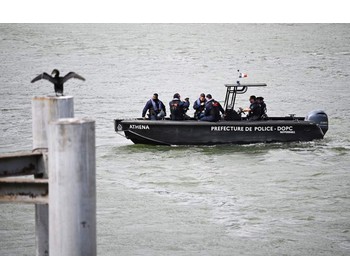
近日,巴黎奥运会和世界铁人三项协会联合发布了一项重大决定,宣布因塞纳河水质污染问题,原定于近期进行的奥运会铁人三项首次下

当地时间7月18日,法国巴黎发生了一起令人震惊的持刀袭警事件。
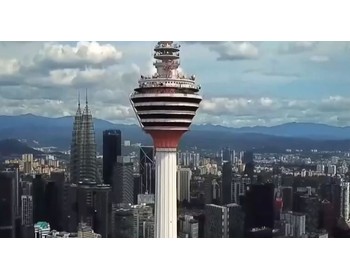
近期,一则重大消息在国际舞台上引起轩然大波,马来西亚宣布加入金砖国家。

调查发现,互联网和智能手机的使用干扰了韩国近五分之一学生的生活。
© Copyright 2026, All Rights Reserved