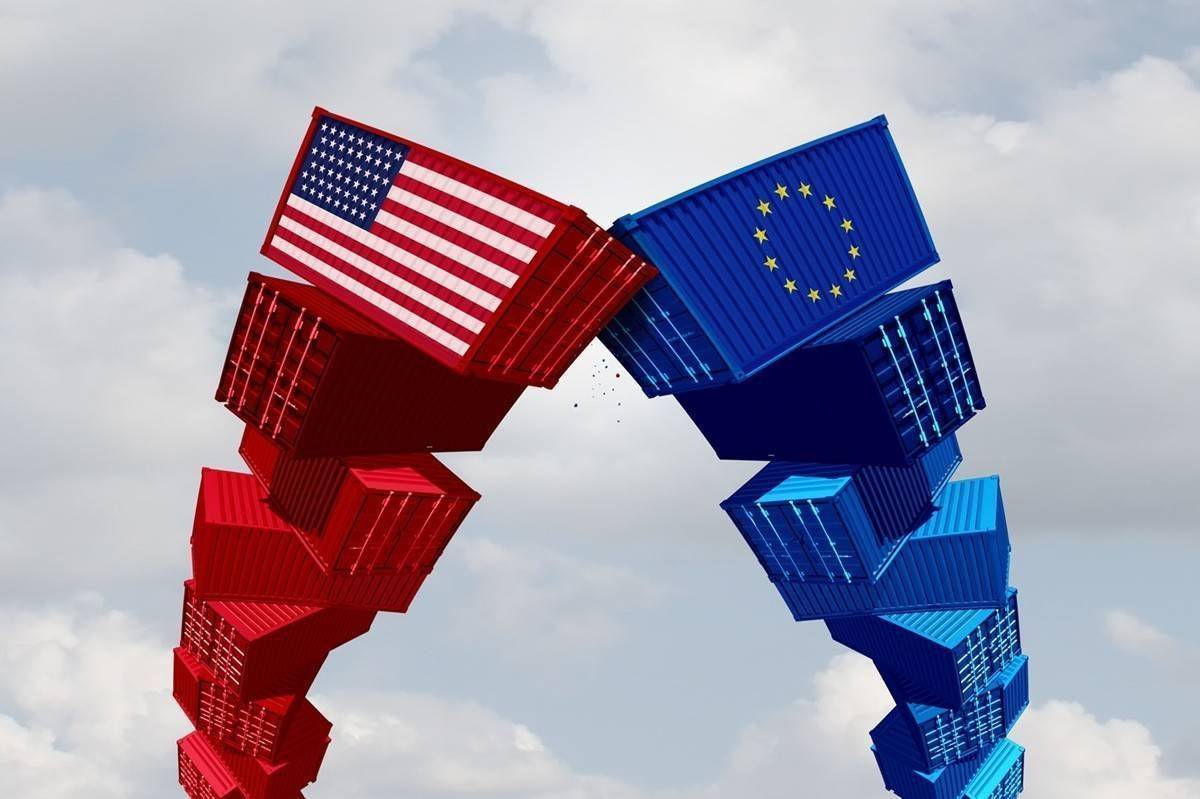
In the current era where the global economy is closely interconnected, any slight change in an economic sector can trigger a chain reaction. Recently, the European economy finds itself at such a crossroads full of uncertainties, with the intertwined factors of the US's tariff hikes and the signs of improvement in its own cyclical challenges, making the future direction of the European economy a subject of great concern.
On March 12th, the United States officially imposed additional tariffs on steel and aluminum imports, a decision that was like a huge stone thrown into the lake of the European economy, creating waves of impact. The steel and aluminum industries, as important foundations of the European industry, have a wide business presence in the US market. This additional tariff imposed by the US has directly raised the threshold for European steel and aluminum products to enter the US market. As a result, the order volumes of many European enterprises in these industries have dropped significantly, and their production plans have been disrupted. For example, some large German steel enterprises, whose exports to the US originally accounted for a considerable proportion of their overseas business, have seen a substantial increase in export costs and a severe compression of profit margins after the tariffs took effect. They even have to consider cutting production capacity, which in turn leads to a large number of workers facing the risk of unemployment.
The European Commission naturally will not stand idly by and has responded quickly, stating that it will impose counter-tariffs on US goods worth 26 billion euros starting from next month. Although this measure is a necessary means for the EU to safeguard its own economic interests, it has further escalated the trade friction between Europe and the US. Industries such as agriculture and automobiles in Europe also hold an important position in exports to the US. Once the counter-tariffs are implemented, the cost for American consumers to purchase European agricultural products and automobiles will increase significantly, and the demand will inevitably decline. For the European economy, which is in a crucial period of recovery, this is undoubtedly a heavy blow, bringing great uncertainties to the economic recovery. The originally fragile pace of economic recovery may slow down as a result, investment confidence will be dampened, and enterprises will be more cautious in their investments in expansion and innovation.
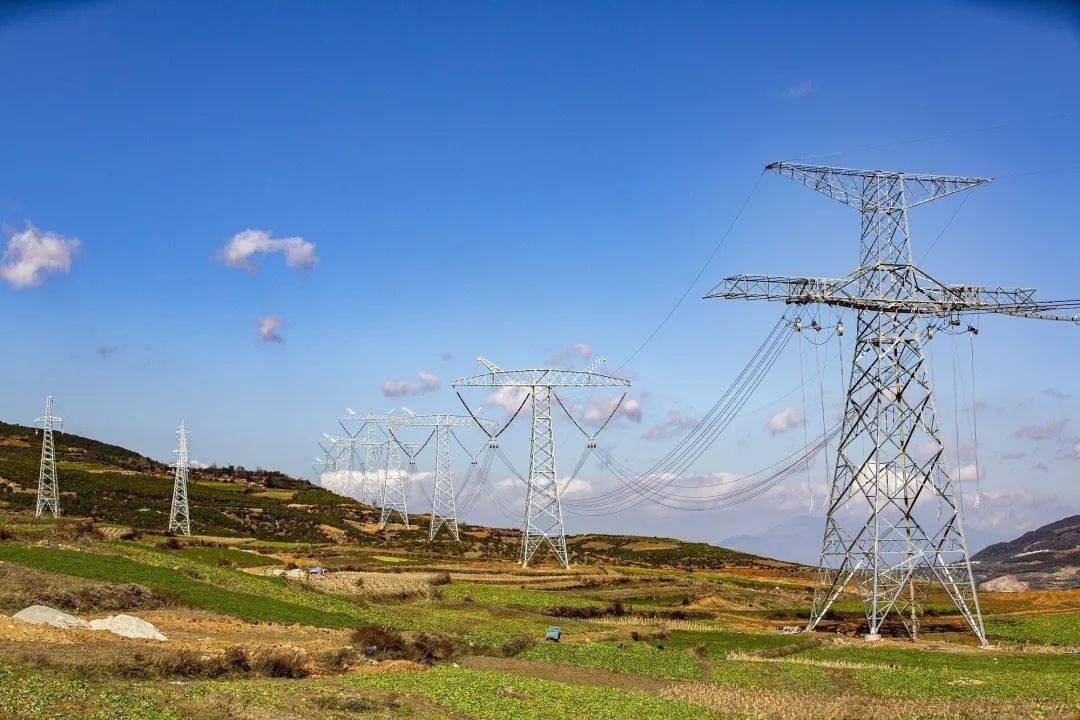
However, beneath the shadow of tariff challenges, there are also some positive signs of improvement in the European economy. In terms of energy supply, with the adjustment of the international energy market pattern and the efforts of Europe itself in energy structure transformation, the situation has improved significantly. Previously, Europe had a high dependence on Russian energy, and geopolitical conflicts led to a tight energy supply and soaring prices, imposing a heavy burden on European enterprises and the public. Now, Europe has accelerated the development and utilization of renewable energy and actively expanded energy import channels. Energy prices have gradually stabilized, and the production costs of enterprises have been effectively controlled, providing strong support for economic recovery.
The end of Germany's fiscal austerity policy is also a favorable factor. As the economic locomotive of Europe, Germany's fiscal policy has a profound impact on the entire European economy. The previous fiscal austerity policy, to some extent, suppressed domestic investment and consumption. Now, with the shift to a more relaxed fiscal policy, the government has increased investment in infrastructure construction, scientific and technological innovation, and other fields. This not only stimulates domestic economic growth but also drives the development of related industries in neighboring countries, injecting new vitality into the European economy.
In addition, the outlook for global capital expenditure also brings hope to the European economy. As the global economy gradually emerges from the shadow of the pandemic, the demand for new technologies and new equipment in various industries is increasing continuously, and global capital expenditure is showing an upward trend. Europe has advanced technologies and mature industrial bases in fields such as high-end manufacturing, new energy, and the digital economy, attracting a large amount of international capital. The inflow of this capital will promote the technological upgrading and industrial expansion of European enterprises, further enhancing the competitiveness of the European economy.
Overall, although the European economy is currently facing severe challenges brought about by the US's additional tariffs, positive factors such as the improvement of energy supply, the change in Germany's fiscal policy, and the promising outlook for global capital expenditure also provide strong support for its recovery. In the future, while dealing with trade frictions, the European economy needs to make full use of these favorable conditions, accelerate industrial upgrading and economic restructuring, so as to achieve sustainable recovery and growth.
近日,市场迎来了一则引人注目的消息:工业巨头3M公司(MMM.N)在本周五公布了其季度业绩报告,随后股价飙升至近两年来的
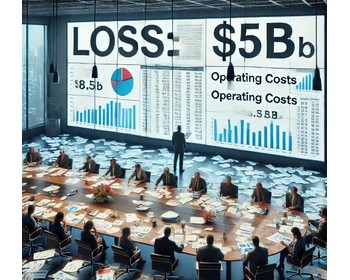
最近,外媒给OpenAI算了笔账,今年可能要血亏50亿美元。
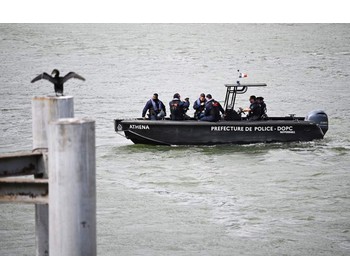
近日,巴黎奥运会和世界铁人三项协会联合发布了一项重大决定,宣布因塞纳河水质污染问题,原定于近期进行的奥运会铁人三项首次下

当地时间7月18日,法国巴黎发生了一起令人震惊的持刀袭警事件。
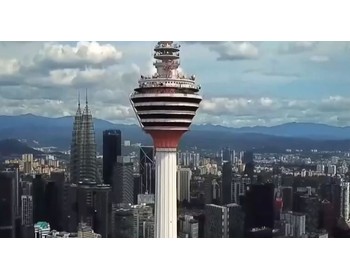
近期,一则重大消息在国际舞台上引起轩然大波,马来西亚宣布加入金砖国家。

调查发现,互联网和智能手机的使用干扰了韩国近五分之一学生的生活。
© Copyright 2026, All Rights Reserved