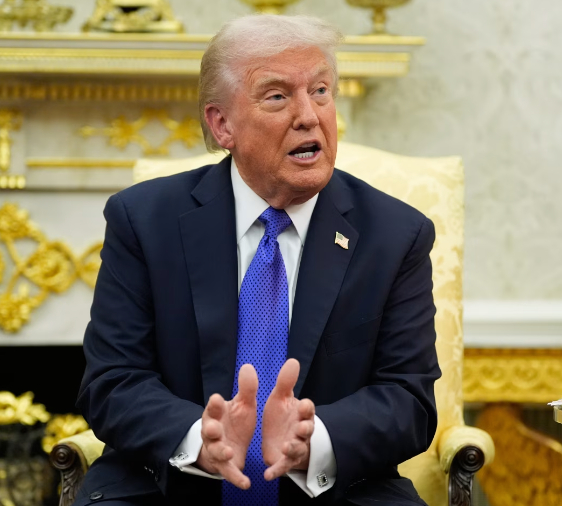
On October 23, 2025, the Wall Street Journal reported that the US government announced "massive" new sanctions against Russian oil giants. This move marks a further escalation of the Trump administration's pressure on Russia in the Russia-Ukraine conflict. Treasury Secretary Benson explicitly stated that the sanctions are intended to compel Russia to cease military action, encourage both sides to "return to rationality," and end the years-long war. This move appears contradictory—it simultaneously pressures Russia economically while attempting to promote ceasefire negotiations. Behind this game lies not only a contest of economic sanctions but also a complex clash of international geopolitics and energy strategies.
Trump's actions primarily serve a domestic political agenda. With the 2025 election approaching, demonstrating a tough stance toward Russia can consolidate his conservative voter base while addressing the demands of the Ukrainian-American community. Furthermore, economic sanctions, as a diplomatic lever, are intended to force Russia to make concessions on the Ukraine issue. US Treasury Secretary Benson's statement emphasized an "immediate ceasefire," but in reality, it linked the ceasefire conditions to the economic costs to Russia, attempting to construct a "pressure-compromise" logic. Since the outbreak of the Russia-Ukraine conflict in 2022, the situation has remained tense and stalemated. Russia initially pursued the goal of "demilitarization" and "protecting Donbas," but US intelligence agencies had long predicted the protracted conflict. Ukraine, aided by Western assistance, stubbornly resisted, and the battlefield devolved into a war of attrition. Since Trump's presidency, oil exports, Russia's energy lifeline, have become the primary target of US sanctions. The escalation of sanctions is essentially an attempt by the US to cut off Russia's war funding and force it to make concessions at the negotiating table.
These sanctions directly target Russian oil giants and include export restrictions, financial blockades, and secondary sanctions that prohibit companies that trade with Russian oil from accessing the US market. Russia's oil export revenues account for approximately a quarter of its federal budget and are crucial to sustaining its military operations. The sharp decline in revenues caused by the sanctions could force adjustments to fiscal spending and even affect the sustainability of its military operations. However, the ripple effects of the sanctions are equally profound: rising oil prices could drive inflation, re-threaten Europe's energy security, and the US itself could not escape the impact of high oil prices. Russia may retaliate, such as reducing energy supplies to Europe, accelerating its "Look East" strategy, and deepening energy cooperation with Central Asian and Asian countries to weaken the effectiveness of sanctions.
Trump's sanctions reflect the United States' strategic anxiety regarding the Russia-Ukraine conflict. Its threat of secondary sanctions against oil buyers demonstrates its determination to expand the scope of sanctions. However, Russia has not backed down, continuing to question the legitimacy of the Ukrainian government and hinting at demands for regime change, casting a shadow over the prospects for negotiations. Ukraine, in turn, has established a space policy department and is seeking technological breakthroughs to strengthen its international voice. In the three-way struggle, military, economic, and political means are intertwined, and the prospects for a peace agreement remain elusive.
Bessant called for an "immediate ceasefire," but the reality is far more complex than slogans suggest. Historical experience shows that simple economic sanctions are insufficient to compel major powers to yield. The root cause of the Russia-Ukraine conflict lies in deep geopolitical contradictions, requiring compromise on all sides. If Trump's pressure tactics are not accompanied by effective diplomatic mediation, they could intensify Russia's confrontational sentiment and lead to an escalation of the conflict. The international community needs to promote dialogue mechanisms to balance the interests of all parties, rather than relying solely on the "stick" of sanctions. US oil sanctions on Russia are a fraught game. They reflect the Trump administration's eagerness to end the war and expose strategic divisions within the international community regarding the Russia-Ukraine conflict. Achieving a peace agreement requires going beyond economic sanctions alone and resolving deep-seated conflicts through dialogue. The trajectory of the Russia-Ukraine situation in the coming months will depend on the wisdom and compromise of all parties involved, not simply the severity of sanctions.

近日,市场迎来了一则引人注目的消息:工业巨头3M公司(MMM.N)在本周五公布了其季度业绩报告,随后股价飙升至近两年来的
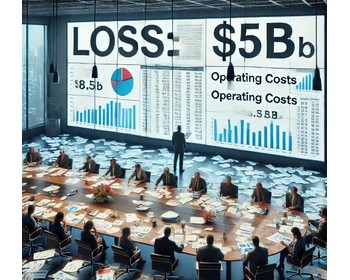
最近,外媒给OpenAI算了笔账,今年可能要血亏50亿美元。
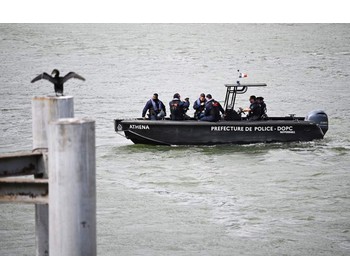
近日,巴黎奥运会和世界铁人三项协会联合发布了一项重大决定,宣布因塞纳河水质污染问题,原定于近期进行的奥运会铁人三项首次下

当地时间7月18日,法国巴黎发生了一起令人震惊的持刀袭警事件。

近期,一则重大消息在国际舞台上引起轩然大波,马来西亚宣布加入金砖国家。

调查发现,互联网和智能手机的使用干扰了韩国近五分之一学生的生活。
© Copyright 2026, All Rights Reserved