
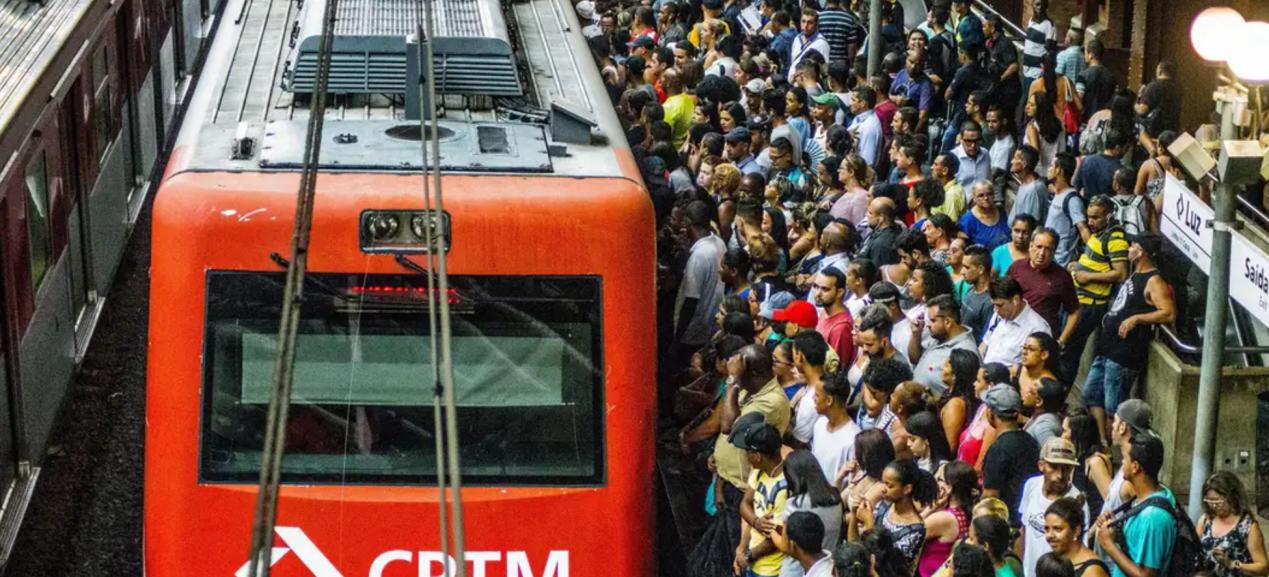
Amid the global wave of infrastructure connectivity, Latin America is experiencing a railway construction renaissance. From Mexico to Chile, and from Brazil to Peru, cross-continental trunk railways and urban rail transit projects are springing up like mushrooms after rain. This boom not only reshapes the economic geography of Latin America but also profoundly highlights China's global influence in the infrastructure sector. Through technology export, financial support, and capacity cooperation, China is becoming the core driver of the railway revolution in Latin America.
The Historical Context and Current Demands of Railway Construction in Latin America
The history of railway construction in Latin America can be traced back to the mid-19th century. Cuba built the first railway in Latin America in 1838, followed by Mexico, Chile, Brazil, and other countries. However, since the mid-20th century, railway construction in Latin America has stagnated. Political instability, the withdrawal of foreign investment, and technological backwardness have led to aging infrastructure and high transportation costs. This "last mile" bottleneck has severely constrained the transformation and upgrading of Latin America's resource-based economy.
Currently, Latin American countries are seeking to break through their development bottlenecks through railway revival. Projects such as the Maya Railway in Mexico, the Two-Ocean Railway in Brazil, and the Chancay Port Railway in Peru all aim to reduce logistics costs and promote balanced regional development. Brazil's Minister of Planning, Tereza Cristina, compared the Two-Ocean Railway to an "industrial revolution," expecting it to reduce the transportation cost of iron ore from Brazil's interior by 40% and create millions of jobs.
China's Technology: From "Following" to "Leading"
China's rise in Latin American railway construction stems from dual breakthroughs in technology iteration and cost advantages. In the high-speed rail sector, China's standard EMUs can reach a speed of 350 kilometers per hour, while the average cost of similar projects worldwide is $0.5 billion per kilometer, while China only needs $0.33 billion. This cost-performance advantage is equally significant in ordinary railway projects: the Chinese section of the Maya Railway in Mexico, which is 226 kilometers long, was completed at a record speed using equipment from Zoomlion and communication systems from Hytera, and was hailed by Mexican President López Obrador as an "infrastructure miracle in the Americas."
Capacity Cooperation: Building an Ecosystem of Mutual Benefit and Win-win Outcomes
China's influence in railway construction in Latin America is more prominently reflected in its full industrial chain layout and localized cooperation. Take the "Two-Ocean Railway" as an example. This project connects the Port of Iquique in Chile and the Port of Callao in Peru, with a total length of approximately 4,000 kilometers, of which 2,000 kilometers are existing lines to be renovated and 3,000 kilometers are new constructions. China not only undertakes the general contracting of the project but also collaborates with local enterprises such as Vale of Brazil and Southern Copper of Peru to establish a mineral transportation alliance, ensuring a stable supply of goods once the railway is completed. This "construction-operation-resource development" integrated model has raised the internal rate of return of the project to 12%, far exceeding the average level of infrastructure projects in Latin America.
Financial support is another key pillar. The China Development Bank provided a low-interest loan of 2.6 billion US dollars for the renovation of the San Martín Freight Railway in Argentina, with a 20-year term and a 5-year grace period. This "zero repayment during the construction period" design has greatly alleviated the financial pressure on Latin American countries. Meanwhile, the Export-Import Bank of China requires that 30% of the equipment and materials for the project be sourced locally, driving the development of industries such as steel in Brazil and cement in Peru.
Geoeconomics: Reshaping the Development Pattern of Latin America
The railway projects participated by China are profoundly altering the economic landscape of Latin America. In Mexico, the Maya Railway connects the Mayan civilization sites on the Yucatán Peninsula with the tourist area of Cancun, expected to increase local tourism revenue by 35%. In Brazil, the "Two-Ocean Railway" will reduce the transportation time of iron ore from the interior to 3 days from 15 days, making it possible for Brazil's annual iron ore exports to China to exceed 50 million tons. These changes not only enhance the economic autonomy of Latin American countries but also promote the process of regional integration.
The more profound impact lies in the fact that China's infrastructure construction is helping Latin America break through the "middle-income trap". Research by the World Bank shows that for every 1% increase in infrastructure investment, GDP growth can be boosted by 0.3% to 0.5%. The railway projects participated by China have created over 2 million jobs in Latin America, 40% of which are technical positions. At the railway construction site of the Quiankai Port in Peru, local engineer Juan Martinez said with emotion, "The Chinese team not only taught us how to build railways, but also how to manage modern engineering projects."
Future Outlook: Building a "Railway Community with a Shared Future"
The railway construction boom in Latin America and the rise of China's influence are exemplary of South-North cooperation in the era of globalization. From technology export to capacity cooperation, from financial support to talent training, China is promoting the upgrading of infrastructure and economic transformation in Latin America with the concept of "joint consultation, joint contribution and shared benefits". As the "Belt and Road Initiative" is deeply integrated with the "2030 National Development Plan" of Latin America, China-Latin America railway cooperation will surely reach a higher level and inject new impetus into building a community with a shared future for mankind.

近日,市场迎来了一则引人注目的消息:工业巨头3M公司(MMM.N)在本周五公布了其季度业绩报告,随后股价飙升至近两年来的

最近,外媒给OpenAI算了笔账,今年可能要血亏50亿美元。

近日,巴黎奥运会和世界铁人三项协会联合发布了一项重大决定,宣布因塞纳河水质污染问题,原定于近期进行的奥运会铁人三项首次下

当地时间7月18日,法国巴黎发生了一起令人震惊的持刀袭警事件。

近期,一则重大消息在国际舞台上引起轩然大波,马来西亚宣布加入金砖国家。

调查发现,互联网和智能手机的使用干扰了韩国近五分之一学生的生活。
© Copyright 2026, All Rights Reserved