
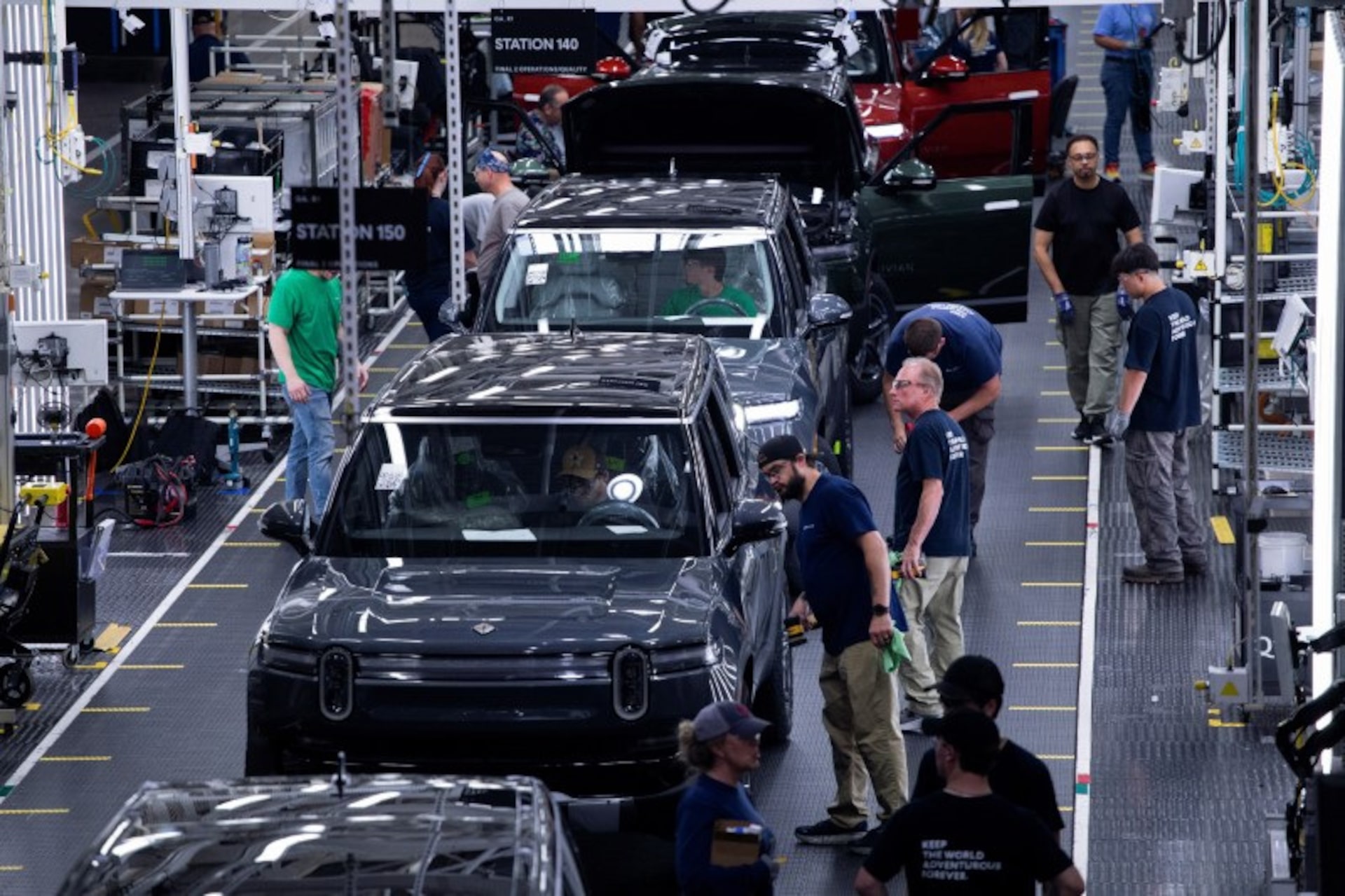
U.S. electric vehicle factory production recorded the largest growth in 14 months, with manufacturing output rising 0.6% month-on-month, marking the highest increase since February 2025, and a year-on-year growth of 1.3%, significantly exceeding economists' expectations. The growth was mainly driven by demand for automobiles and technology products, along with a boom in artificial intelligence spending. Motor vehicle and parts production increased by 3.7%, high-tech industry output rose by 1.0%, and output of related products such as computers and semiconductors continued to climb. However, disruptions in shipping through the Strait of Hormuz caused by the Iran war have pushed up energy prices and intensified supply chain pressures, casting a shadow over the manufacturing outlook, with significant risks from inflation and supply uncertainties remaining.
The core reason for the significant growth in U.S. factory production this time is the strong demand pull and the continuous empowerment from the AI industry. The recovery of the automotive market has driven a substantial increase in motor vehicle and parts production. Strong demand in the technology sector has led to continued growth in the output of products such as computers and semiconductors, supporting the overall expansion of the high-tech industry. At the same time, large-scale corporate investment in artificial intelligence not only directly drives the production of related technology products but also promotes improvements in manufacturing efficiency, becoming an important force behind manufacturing growth. On the supply side, pressure comes from the U.S.-Israel conflict disrupting shipping through the Strait of Hormuz, pushing up energy prices and exacerbating global supply chain tensions, resulting in shortages of commodities such as fertilizers and aluminum, while also constraining growth in some non-durable goods industries.
Behind the significant growth in production, there are also certain supply risks. The resilience demonstrated by the manufacturing industry itself, combined with the continued pull of AI spending, provides support for economic growth. However, the output of non-durable goods has declined, and the production of chemicals, plastics, and rubber products has decreased, reflecting the constraints of supply pressures on certain industries. In addition, supply chain tightness and rising energy prices have led to longer delivery times from suppliers and worsening supply conditions. At the same time, the continuous reduction in oil and gas well drilling makes it difficult to offset supply losses from the Middle East, further increasing uncertainty on the supply side. The significant rise in production prices may also be further transmitted to the consumer side, intensifying inflationary pressures.
In order to respond to the opportunities and risks in manufacturing growth, all parties need to take targeted measures to stabilize the industry's development trend. Enterprises should seize the opportunities of AI industry development, continuously optimize AI investments, improve production efficiency and product competitiveness, and reduce the risk of supply interruptions. For the decline in non-durable goods production, supply chain layout should be optimized to alleviate the pressure of raw material shortages. In addition, close attention should be paid to inflation and the operating conditions of the manufacturing industry, maintaining consistency and flexibility in monetary policy, while curbing inflation and taking into account the needs of manufacturing recovery, avoiding excessive impact on the industry from rapid interest rate hikes. The international community should actively promote the easing of conflicts in the Middle East, alleviate shipping pressure in the Strait of Hormuz, and stabilize global energy supply and supply chain order. Investors should rationally view market fluctuations, focus on the long-term value of manufacturing resilience and AI empowerment, while also paying attention to the impact of inflation and supply risks on the market, and reasonably allocate assets.
In summary, U.S. electric vehicle factories have recorded the largest production increase, demonstrating a certain resilience in manufacturing. However, supply disruptions caused by the Iran war, rising energy prices, and inflationary pressures pose significant downside risks to the short-term prospects of the manufacturing industry. Currently, the development of manufacturing shows a differentiated pattern of 'strong demand but supply under pressure.' AI empowerment and supply risks have become key factors influencing the industry's direction. In the future, if supply chain tensions can be alleviated, energy prices stabilized, and monetary policy reasonably regulated, manufacturing is expected to continue its recovery. Conversely, if supply risks continue to intensify and inflationary pressures rise further, they may drag down industry growth and affect the overall economic recovery process.

近日,市场迎来了一则引人注目的消息:工业巨头3M公司(MMM.N)在本周五公布了其季度业绩报告,随后股价飙升至近两年来的

最近,外媒给OpenAI算了笔账,今年可能要血亏50亿美元。

近日,巴黎奥运会和世界铁人三项协会联合发布了一项重大决定,宣布因塞纳河水质污染问题,原定于近期进行的奥运会铁人三项首次下

当地时间7月18日,法国巴黎发生了一起令人震惊的持刀袭警事件。

近期,一则重大消息在国际舞台上引起轩然大波,马来西亚宣布加入金砖国家。

调查发现,互联网和智能手机的使用干扰了韩国近五分之一学生的生活。
© Copyright 2026, All Rights Reserved