
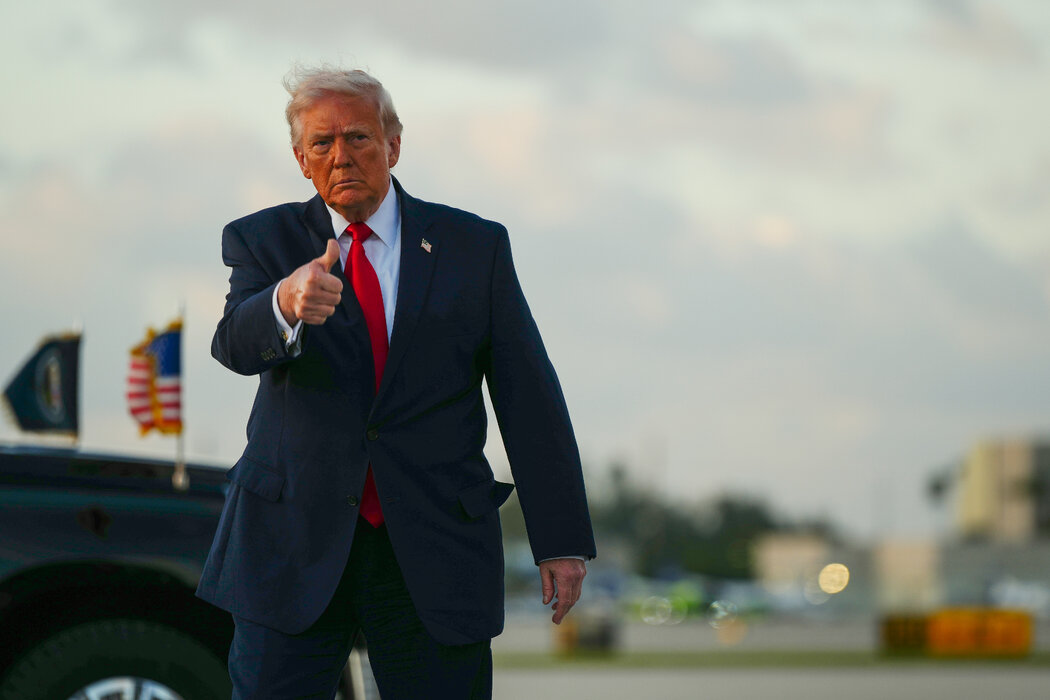
Recently, US President Donald Trump made public remarks regarding Iran's economic predicament, accusing Iran of facing a severe financial crisis due to the blockade of the Strait of Hormuz. He claimed that Iran is losing up to 500 million US dollars every day and its financial situation is on the verge of collapse. At the same time, he suggested that dissatisfaction within the Iranian government is intensifying. Trump further stated that although the Iranian government publicly opposes the blockade, it actually urgently desires the reopening of the Strait of Hormuz, as it is crucial to Iran's economy.
The Strait of Hormuz is one of the world's most important energy routes, with large quantities of oil and natural gas transported through it daily. Trump pointed out that Iran's control or openness of this strait is closely linked to its national finances. A large portion of Iran's revenue comes from oil exports through the Strait of Hormuz; therefore, blocking this strategic waterway means Iran will lose $500 million in revenue daily. This revenue is crucial for Iran to maintain its economy.
Trump emphasized that although Iran outwardly declares a strong desire to close the Strait of Hormuz, in reality, they do not want it to actually close. Trump stated that Iran's tough rhetoric is more about "saving face" and responding to US pressure than a genuine strategic choice. He believes that the Iranian government is also aware of the enormous economic damage caused by the strait blockade.
Trump further pointed out that Iran is facing severe financial difficulties, even claiming that "military and police personnel are complaining they are not receiving their salaries," indicating growing discontent under government control. Trump believes that Iran's economic difficulties are not only due to external sanctions and blockades, but also closely related to governance problems within its government.
According to Trump, Iran's financial situation has reached a point of "extreme financial distress," and the strait blockade has exacerbated this situation. He mentioned that while the Iranian leadership publicly expresses a tough stance, it is actually quietly seeking contact with the United States and other neutral parties to resolve the crisis.
Trump stated on the social media platform Truth Social that diplomatic efforts have been made with Iran through intermediaries to explore possibilities for resolving the strait blockade issue. He revealed that someone contacted him a few days ago, stating that "Iran wants the strait to open immediately," suggesting that despite the escalating tensions in public, the two sides may still be engaged in secret negotiations to resolve the conflict.
Trump also announced an extension of the existing ceasefire agreement to buy time for further diplomatic mediation. However, Trump also warned that premature concessions could weaken the US's negotiating leverage. He stated that reaching an agreement with Iran would be extremely difficult without stronger measures, even hinting that a more aggressive military action against Iran might be necessary to achieve a deal.
Trump's hardline stance extended the ceasefire agreement's validity, despite the uncertainty surrounding its future. Neither Iran nor Israel has clearly indicated their willingness to abide by the ceasefire, thus the situation remains highly tense. Trump and some of his supporters believe that extending the ceasefire is to ensure the US maintains a strategic advantage in negotiations while preserving the blockade of the Strait of Hormuz.
Meanwhile, the international community continues to focus on the strait's blockade, particularly regarding the security and stability of energy markets. The blockade of the Strait of Hormuz poses a significant threat to the global energy supply chain, exacerbating tensions in international markets, especially regarding energy price volatility and supply chain disruptions.
Trump's remarks indicate that Iran is currently facing extremely severe economic challenges, particularly given the increasingly strained financial situation in the context of the Strait of Hormuz blockade. Despite Trump's continued hardline stance, hinting at the possibility of forcing Iran to make concessions through military means, he also hinted at the possibility of some degree of diplomatic contact and covert negotiations. With the Strait of Hormuz blockade continuing to impact global energy markets, diplomatic interactions between Iran and the United States will remain a focus of global attention in the coming months.

近日,市场迎来了一则引人注目的消息:工业巨头3M公司(MMM.N)在本周五公布了其季度业绩报告,随后股价飙升至近两年来的

最近,外媒给OpenAI算了笔账,今年可能要血亏50亿美元。

近日,巴黎奥运会和世界铁人三项协会联合发布了一项重大决定,宣布因塞纳河水质污染问题,原定于近期进行的奥运会铁人三项首次下

当地时间7月18日,法国巴黎发生了一起令人震惊的持刀袭警事件。

近期,一则重大消息在国际舞台上引起轩然大波,马来西亚宣布加入金砖国家。

调查发现,互联网和智能手机的使用干扰了韩国近五分之一学生的生活。
© Copyright 2026, All Rights Reserved