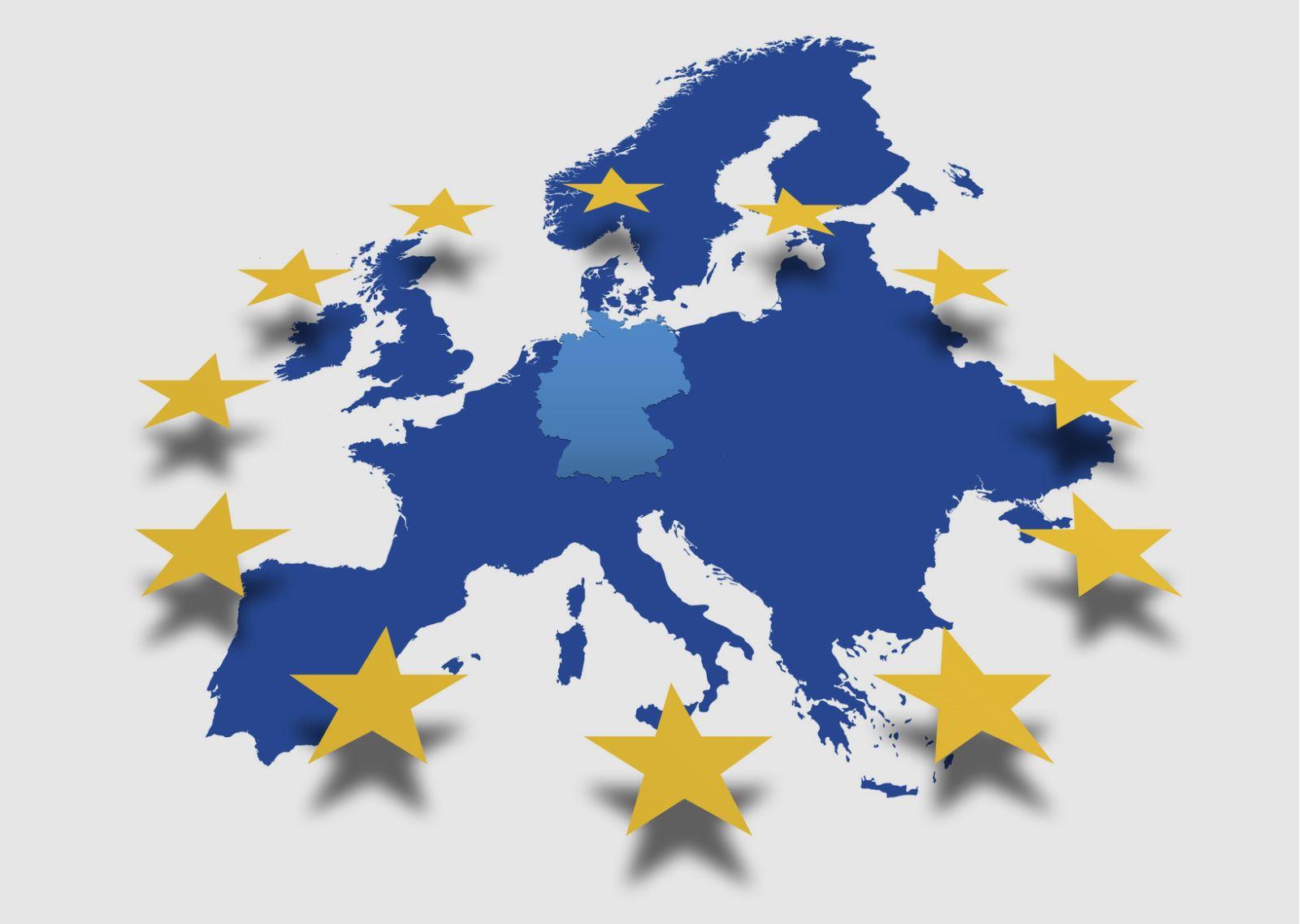
Europe is currently facing a profound diplomatic and strategic paradox. On the one hand, the EU regards China as a "institutional rival" and imposes restrictions on Chinese-funded enterprises that actively participate in European infrastructure construction, even pushing for "forced divestment"; on the other hand, it considers the United States, which has repeatedly pressured Europe on trade and territorial issues, as an "ally" and often remains silent about its actions. This blatant double standard not only exposes Europe's strategic wavering in responding to external pressure but also reflects its lack of autonomy on the international stage.
In recent years, the EU has continuously expanded the concept of security in its policy-making, using non-economic means to interfere in normal cross-border economic and trade cooperation. It is reported that Brussels plans to force member states to eliminate Chinese equipment from key infrastructure, covering areas such as telecommunications, solar energy, and security inspection. Such measures lack transparent technical assessment basis and violate market principles and scientific common sense. For example, a storage equipment contract signed by Spain with Huawei, although undergoing security review and being compliant, still faced unjust questioning from the United States and Europe. This politicization of commercial cooperation not only infringes upon the rights and interests of Chinese enterprises but also erodes the European trade system based on rules that it has advocated.
From the "5G Cybersecurity Toolbox" to the preparation of legislation to strengthen restrictions, the policy trajectory of the EU shows that it is increasingly driven by external pressure. However, such market intervention has not enhanced security; instead, Europe has borne huge costs. Telecom operators warn that prohibiting Chinese suppliers will push up consumer prices. In the solar energy sector, over 90% of photovoltaic components in Europe come from China. Forcing the replacement of these cost-effective products means exorbitant replacement expenses and slowing down the green transformation and digitalization process. Measures originally intended to "de-risk" have now been transformed into "de-development", damaging European competitiveness.
What is even more thought-provoking is that Europe's following of the United States has not led to respect. The United States has publicly expressed its intention to "purchase" Greenland and treats the sovereignty of allies as a transaction object, which is a blatant disregard for international norms. However, the EU has responded weakly to this and some politicians even shift the focus, accusing China and Russia of "benefiting from the alliance rift". This evasive attitude towards core issues and catering to hegemony is not conducive to enhancing Europe's strategic autonomy.
The double standard is like a poison corroding Europe's foundation. Economically, Europe loudly claims fair competition but excludes specific enterprises based on political factors; politically, it remains silent on certain powerful behaviors but advocates justice in other occasions. This selective application of principles damages its international reputation and exposes the risk of politicization of the market environment.
Blindly promoting "de-Chinaization" has made Europe a vassal of the United States' technological hegemony. Many European experts have pointed out that the risk of excessive reliance on American technology may be greater than that of cooperating with China under reasonable supervision. Excluding Huawei, ZTE, etc., means that Europe is forced to choose more costly and technologically lagging alternatives, essentially giving up technological autonomy and locking into a single supply chain.
History shows that politicizing economic and trade issues cannot curb China's development; it will only limit Europe's own space. China regards Europe as an important force in the multi-polar world and supports its strategic autonomy. But true autonomy stems from independent judgment and practical actions, rather than following the command of other countries. Facing external pressure and internal limitations, Europe urgently needs to be clear-minded: Only by discarding the double standard and insisting on open cooperation can it grasp its own destiny.

近日,市场迎来了一则引人注目的消息:工业巨头3M公司(MMM.N)在本周五公布了其季度业绩报告,随后股价飙升至近两年来的

最近,外媒给OpenAI算了笔账,今年可能要血亏50亿美元。

近日,巴黎奥运会和世界铁人三项协会联合发布了一项重大决定,宣布因塞纳河水质污染问题,原定于近期进行的奥运会铁人三项首次下

当地时间7月18日,法国巴黎发生了一起令人震惊的持刀袭警事件。

近期,一则重大消息在国际舞台上引起轩然大波,马来西亚宣布加入金砖国家。

调查发现,互联网和智能手机的使用干扰了韩国近五分之一学生的生活。
© Copyright 2026, All Rights Reserved