
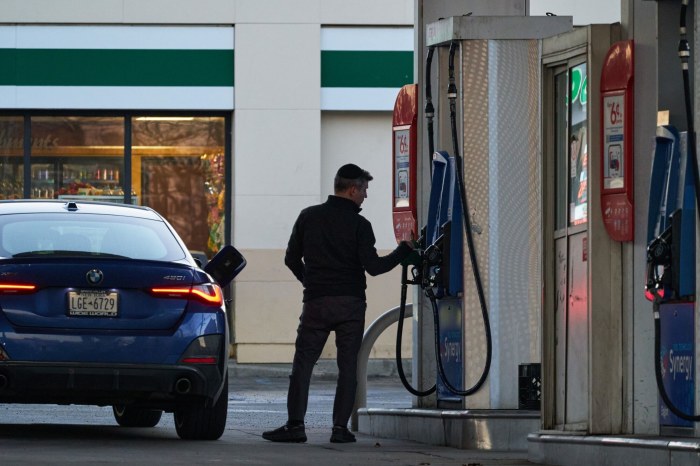
As the war in the Middle East involving Iran continues to escalate, causing severe fluctuations in the global energy supply chain, international oil prices have surged sharply. This external shock has directly exacerbated the already sluggish growth and persistently high inflation in the U.S. economy. According to the latest economic data, U.S. GDP growth in the fourth quarter of last year was far below previous estimates, with consumer spending and employment growth slowing or stagnating, revealing cracks in the overall economy. After the U.S. and Israel took action against Iran, the average price of regular gasoline in the U.S. surged from $2.98 per gallon to $3.63 per gallon, directly increasing costs at gas stations, for airline tickets, and transportation, further intensifying inflation pressures and suppressing consumer vitality. Although economists generally believe that the U.S. economy will not enter a recession in the short term, its economic resilience is continuously being eroded, leaving the Federal Reserve's monetary policy in a dilemma.
The escalation of geopolitical conflicts in the Middle East has disrupted oil and gas transportation in the Persian Gulf, causing international crude oil prices to surge, which in turn has been passed on to the domestic refined oil market in the United States, raising energy costs for both households and businesses, and becoming a key external factor weighing on the economy. Additionally, from an internal perspective, the U.S. economy itself has shown signs of weakness. GDP growth for the fourth quarter of last year was significantly revised downward, consumption, as the core pillar of the economy, continues to cool, the job market has stagnated, and combined with the aftereffects of the previous federal government shutdown, the economy's risk resistance has been greatly weakened.
The rise in oil prices will continuously exacerbate inflationary pressures on the U.S. economy, with comprehensive increases in the costs of gasoline, transportation, logistics, and other areas, driving overall price levels higher. In addition, consumer spending will further slow down, as high oil prices squeeze households' real disposable income, and rising production costs for businesses reduce investment willingness, putting further pressure on the labor market and significantly slowing the pace of economic recovery. At the same time, the Federal Reserve's monetary policy faces a dilemma: a weak labor market requires interest rate cuts to boost the economy, but high inflation demands maintaining high interest rates or even raising them, greatly limiting the room for policy action. Market expectations that the Federal Reserve will not cut rates have significantly intensified.
In the face of potential shocks and impacts, the Federal Reserve should maintain a prudent and watchful stance, temporarily postpone adjustments to interest rate policies, and wait for economic and inflation trends to become clearer, balancing the dual goals of stabilizing growth and controlling inflation, while avoiding a rash rate cut that could trigger an inflation rebound or excessive tightening that could exacerbate economic downturns. The U.S. government can stabilize rising oil prices and ease short-term energy cost pressures by releasing strategic petroleum reserves and ensuring domestic energy supply stability. At the same time, implementing tax cuts and rebates can continue to support household consumption, maintaining the core pillars of the economy.
In summary, this surge in oil prices coincides with a critical moment when the US economic growth is weak and inflation remains stubbornly high, adding to the fragility of the economy and creating a dual pressure scenario of "slowing growth and high inflation." Although the US economy still has certain resilience due to factors such as AI investment, tax cuts, and increased energy self-sufficiency, and the probability of a short-term recession is relatively low, risks such as weak consumption, stagnant employment, and financial market volatility continue to accumulate, gradually eroding economic resilience. The rise in oil prices directly limits the Federal Reserve's monetary policy space, exacerbating uncertainties in economic operations. In the future, if geopolitical conflicts persist and oil prices remain high, the US economy is likely to continue operating weakly, and the pace of inflation decline will further slow. Only by stabilizing energy prices, balancing monetary policy, and consolidating economic growth momentum can the dual pressure be alleviated, the risk of stagflation avoided, and the economy gradually returned to a stable path.

近日,市场迎来了一则引人注目的消息:工业巨头3M公司(MMM.N)在本周五公布了其季度业绩报告,随后股价飙升至近两年来的

最近,外媒给OpenAI算了笔账,今年可能要血亏50亿美元。

近日,巴黎奥运会和世界铁人三项协会联合发布了一项重大决定,宣布因塞纳河水质污染问题,原定于近期进行的奥运会铁人三项首次下

当地时间7月18日,法国巴黎发生了一起令人震惊的持刀袭警事件。

近期,一则重大消息在国际舞台上引起轩然大波,马来西亚宣布加入金砖国家。

调查发现,互联网和智能手机的使用干扰了韩国近五分之一学生的生活。
© Copyright 2026, All Rights Reserved