Changes in American economic and political thought, especially the confrontation between "moderates" and "populists" in the field of economics, have replaced the traditional confrontation between "left" and "right". Modern economic debates no longer focus on the size of the government's role, but on whether the global economy is a "zero-sum game" - that is, a problem of distribution between winners and losers with limited resources, or a healthy competition and growth mechanism. In addition, with the rise of populism, traditional economic theories and policies are facing huge challenges.
In the past, the main disagreement in economics was about how much role the government should play in the market. The left supported more government intervention, while the right preferred free markets and less government control. However, today's debate is no longer a simple "left vs. right" distinction, but a confrontation between moderates and populists. Moderates believe that economic growth and resource allocation can be achieved through reasonable policy adjustments, while populists believe that resource allocation in the existing economic system is extremely unfair, the strong monopolize most of the resources, and ordinary people have difficulty getting fair opportunities.
The "zero-sum game" view is the core position of populists. They believe that the world's resources are limited, and the strong oppress ordinary people by controlling power, capital and markets. This way of thinking is not only widely supported by left-wing populists, but also affects right-wing populists. The focus of right-wing populists is no longer globalization and free markets, but how to resist excessive intervention by foreign forces, multinational corporations and governments in the economy, which they believe suppress the development opportunities of ordinary American citizens.
Whether on the left or the right, the common feature of populist thought is dissatisfaction with the existing power structure, especially distrust of the concentrated power of large companies, governments and international institutions. Traditional moderate economists believe that globalization and free markets have brought growth and prosperity, and these policies should continue to be promoted. However, populists believe that this economic model is a failure because it only benefits a few large companies and the rich, while ordinary people are marginalized. In this case, populists advocate a fair distribution of resources by breaking the concentration of power and overthrowing the existing economic structure.
Possible future direction of the two major parties in the United States. If the Republicans return to economic centrism, they may attract the support of some center-left people, especially if the Democratic Party tends to promote populist policies. On the other hand, if the Democratic Party moves towards a more centrist economic line, it may attract the support of some disgruntled free marketeers. However, the most likely scenario is that both parties will gradually move towards populism, and the centrists who originally dominated the mainstream may be marginalized.
The rise of populism is not accidental. It reflects the intensification of economic inequality and the differentiation of social classes in the context of globalization. Many people feel excluded by the existing system, and traditional economic theories and policies cannot solve their practical problems. In this case, the voice of populism has become stronger and stronger, and many voters who once supported moderate economic policies have begun to tend to support populist solutions, believing that it better reflects their needs and interests.
Today, moderates are facing unprecedented challenges. They used to be the mainstream force in economic policies, but with the rise of populism, traditional centrist policies have become less and less convincing. In order to regain public support, moderates must have a deeper understanding of the pain points of the people and explain why the policies they advocate can bring long-term well-being. At the same time, they also need to find a new balance between economic fairness and growth. If moderates cannot effectively respond to populist demands, the future of American politics and economy may fall into a more polarized and unstable situation.
In summary, the current economic debate in the United States has shifted from the traditional "left-right" divide to a more complex confrontation between "moderates" and "populists". This change not only affects policy making, but also reflects the social inequality brought about by globalization and technological change. In the future, the economic policy of the United States will pay more attention to how to find a balance between inequality and growth, and this change may largely shape the future direction of the global economic landscape.

近日,市场迎来了一则引人注目的消息:工业巨头3M公司(MMM.N)在本周五公布了其季度业绩报告,随后股价飙升至近两年来的
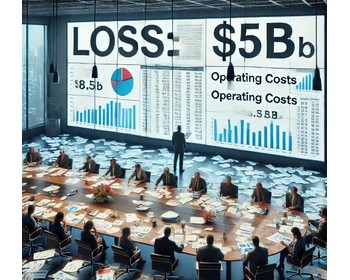
最近,外媒给OpenAI算了笔账,今年可能要血亏50亿美元。

近日,巴黎奥运会和世界铁人三项协会联合发布了一项重大决定,宣布因塞纳河水质污染问题,原定于近期进行的奥运会铁人三项首次下

当地时间7月18日,法国巴黎发生了一起令人震惊的持刀袭警事件。

近期,一则重大消息在国际舞台上引起轩然大波,马来西亚宣布加入金砖国家。

调查发现,互联网和智能手机的使用干扰了韩国近五分之一学生的生活。
© Copyright 2026, All Rights Reserved