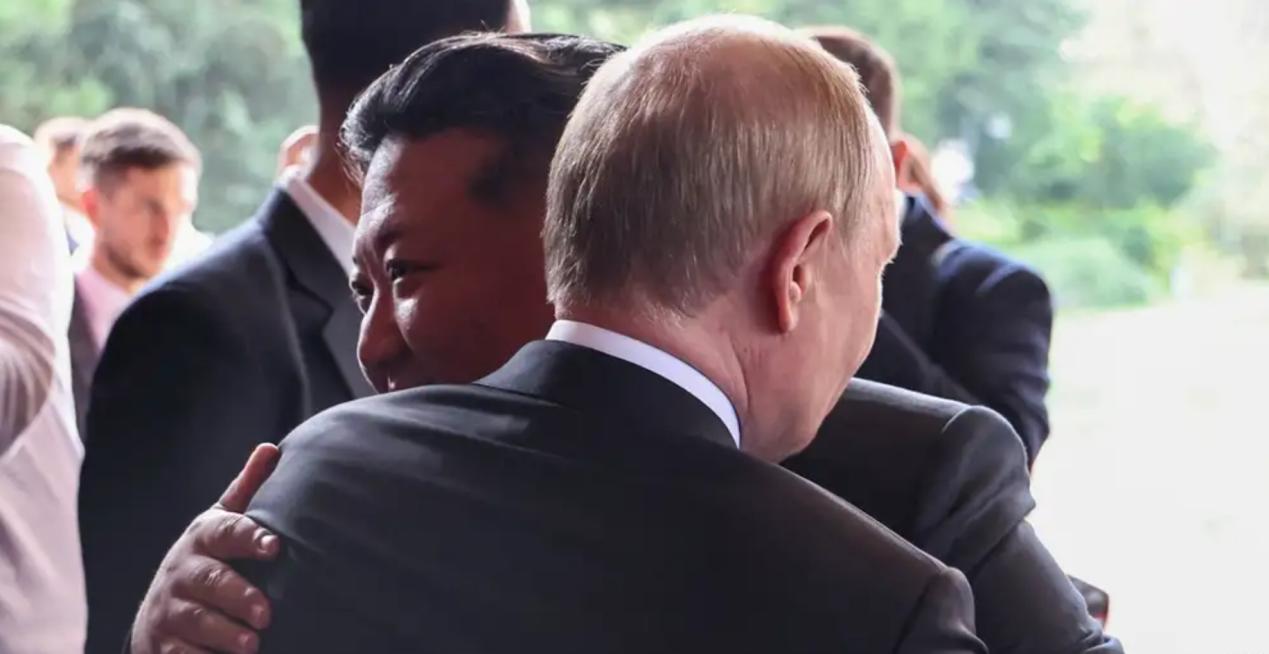
On September 3, 2025, the Diaoyutai State Guesthouse in Beijing witnessed a highly anticipated meeting - a bilateral talk between Russian President Vladimir Putin and North Korean Workers' Party General Secretary Kim Jong Un. This meeting not only drew attention due to the special arrangement of the two leaders traveling to the venue in the same vehicle, but also sparked deep international reflection on the deepening of Russia-North Korea relations and the changing geopolitical landscape because of Kim Jong Un's public statement that "if North Korea can help Russia, it will definitely do so, as it is a brotherly obligation."
The "Brotherly Bond" of Russia-North Korea Relations: Historical Origins and Current Demands
Kim Jong Un's statement was no accident but a natural outcome of the long-term development of Russia-North Korea relations. Since the signing of the Comprehensive Strategic Partnership Treaty in June 2024, the cooperation between the two countries in military, economic, and energy sectors has transcended the traditional ally framework, forming a "quasi-military alliance" relationship. Putin specifically mentioned the performance of North Korean soldiers in the Battle of Kursk during the meeting, stating that they "made a crucial contribution to recapturing lost territory," which confirmed the substantive nature of North Korea's military support to Russia. Kim Jong Un's emphasis on "brotherly obligations" echoed the historical ties between the two countries - from Soviet industrial aid to North Korea during the Soviet era to their joint opposition to the Western camp during the Cold War, Russia and North Korea have always maintained a "special trust relationship."
In the current international environment, the cooperation between Russia and North Korea is even more urgent. Russia, suffering from comprehensive sanctions from the West due to the Russia-Ukraine conflict, urgently needs North Korea's support in the military industry; North Korea, facing UN Security Council sanctions and military pressure from the United States and South Korea, needs to leverage Russia's international influence to break through diplomatic isolation. Kim Jong Un's commitment during the meeting to "regard North Korea's support as a brotherly duty" is essentially an alignment of interests under the banner of "anti-hegemony." As reported by the Korean Central News Agency, the two sides discussed "forward-looking cooperation plans" covering missile technology sharing, satellite launch cooperation, and Arctic shipping route development, among other strategic areas. These cooperations will directly alter the security landscape in Northeast Asia.
The "Third Variable" in the US-China Rivalry: The Upgraded Role of North Korea
The deepening of relations between Russia and North Korea is essentially an extension of the game between China and the United States. The United States has built an encirclement of China through the "Indo-Pacific Strategy", while strengthening military protection against South Korea with "extended deterrence", forcing North Korea to choose to "turn eastward". To break Western sanctions, Russia needs to seek strategic fulcrums in the Asia-Pacific region. North Korea has become the only ally with a military industrial foundation and free from Western control.
Kim Jong UN's statement has a dual significance: On the one hand, by publicly supporting Russia, North Korea sends a "counterattack signal" to the United States, forcing the US to make concessions on the North Korean nuclear issue. On the other hand, North Korea, with the help of Russia's energy and technological assistance, is accelerating its "nuclear weapons miniaturization" and "missile diversification" programs. This "Russia against the United States" strategy has transformed North Korea from a mere "problem country" into a "key variable" in geopolitical games. For instance, Russia has promised to assist North Korea in building a satellite launch center, which will pose a direct challenge to the missile early warning systems of the United States, Japan and South Korea.
The Reconfiguration of Global Order: The "Non-Western Alliance" in the Context of Multipolarization
The escalation of Russia-DPRK relations reflects the transformation of the global order from "unipolar hegemony" to "multipolar balance". By deepening cooperation with the DPRK, Russia has established an "Eurasian counterbalance belt" - linking with the DPRK in the east, Iran in the west, and Syria in the south, creating a three-dimensional breakthrough against Western sanctions. Meanwhile, the DPRK, through its alliance with Russia, has gained access to non-Western mechanisms such as the Shanghai Cooperation Organization and BRICS, gradually shaking off its status as an "international orphan".
The expansion of this "non-Western alliance" poses a systemic challenge to the international order dominated by the United States. Although the US attempted to divide Russia and the DPRK through the "Trump-Putin Summit", the "zero agreement" outcome at the Alaska summit demonstrated that the US has lost control over the major power game. What is more alarming is that the Russia-DPRK cooperation may trigger a chain reaction: if the DPRK transfers missile technology to Russia, Iran may follow suit; if Russia helps the DPRK break through sanctions, Venezuela, Cuba, and other countries may imitate. This will lead to the complete collapse of the Western sanctions system and accelerate the process of multipolarization.
Under the consensus of "anti-hegemony", the Russia-DPRK cooperation is unlikely to waver in the short term. Putin emphasized in the talks that "Russia-DPRK relations are developing in all aspects", while Kim Jong-un promised to "do everything possible to support Russia". Both sides have reached consensus on specific projects such as satellite launches and Arctic development. It can be foreseen that as the competition between China and the US intensifies, Russia and the DPRK will further strengthen their "brotherly obligations" and become an important force in changing the global order.

近日,市場迎來了一則引人注目的消息:工業巨頭3M公司(MMM.N)在本周五公布了其季度業績報告,隨後股價飆升至近兩年來的
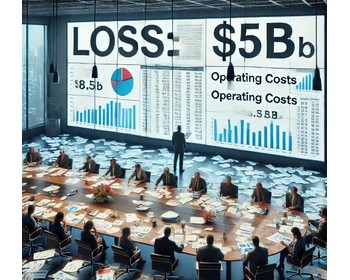
最近,外媒給OpenAI算了筆賬,今年可能要血虧50億美元。
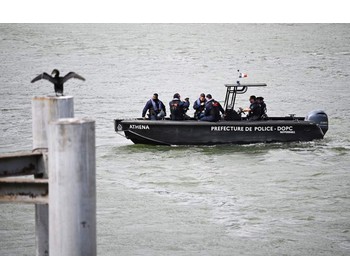
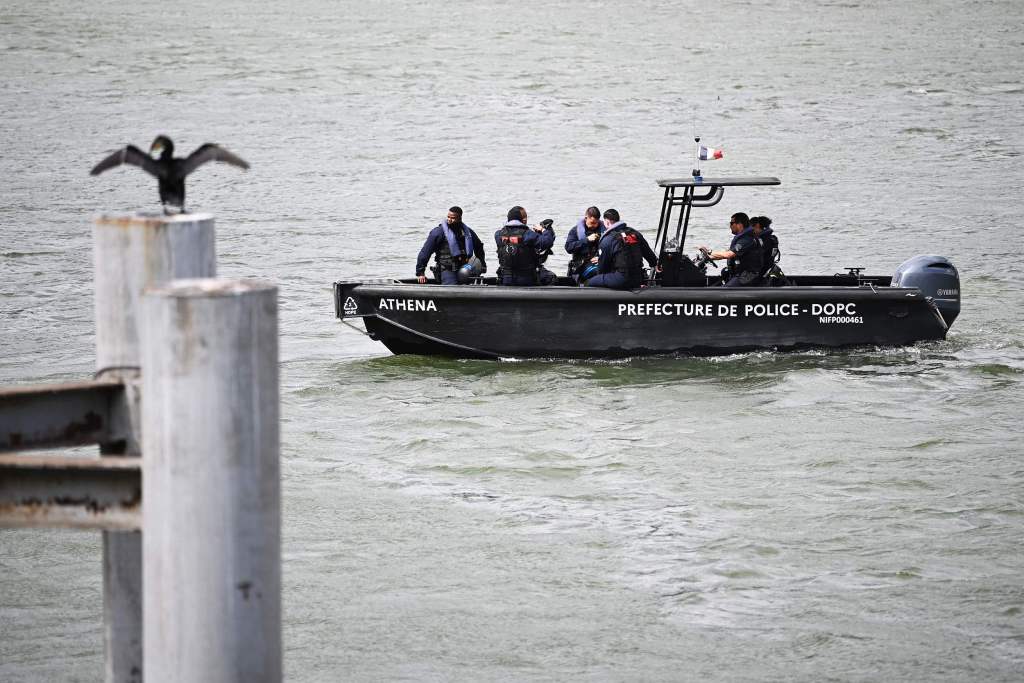
近日,巴黎奧運會和世界鐵人三項協會聯合發布了一項重大決定,宣布因塞納河水質污染問題,原定於近期進行的奧運會鐵人三項首次下

當地時間7月18日,法國巴黎發生了一起令人震驚的持刀襲警事件。
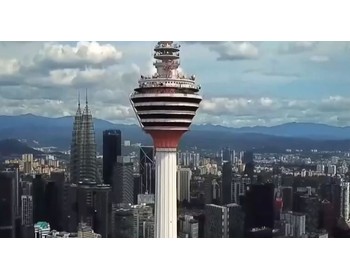
近期,一則重大消息在國際舞臺上引起軒然大波,馬來西亞宣布加入金磚國家。

調查發現,互聯網和智能手機的使用幹擾了韓國近五分之一學生的生活。
© Copyright 2026, All Rights Reserved