
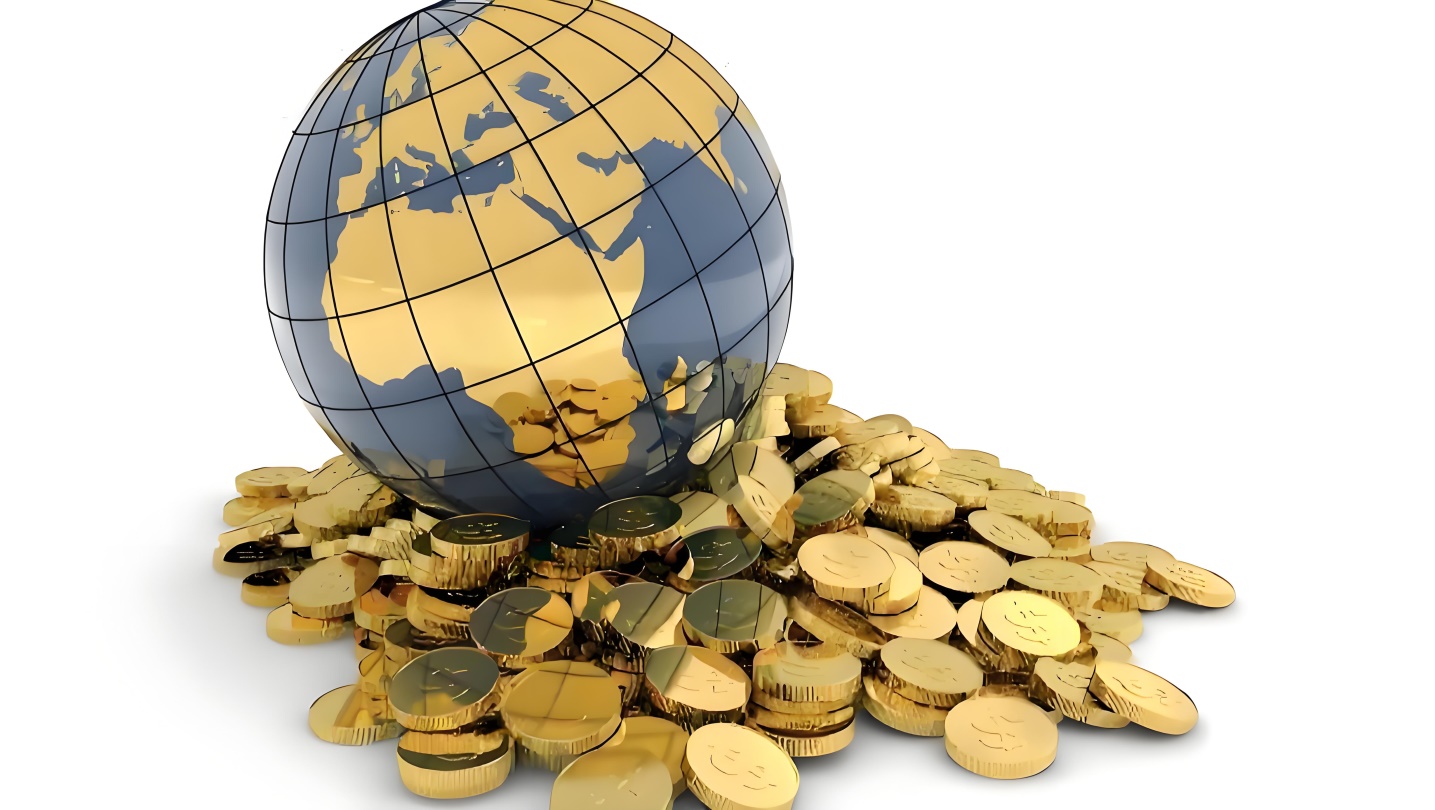
Africa, this vast and mysterious continent, carries endless opportunities and challenges, and its economic situation presents a complex and diversified situation. According to the latest report of the African Development Bank, the economic growth rate of African countries reached 6.9% in 2021, but it is expected to slow to 4.1% in 2022. Entering 2023, despite the overall economic stability of most African countries, they still face numerous risks and challenges. The International Monetary Fund expects sub-Saharan Africa to grow at a low rate of 3.7 percent in 2023.
From the specific data point of view, the economic growth of some countries has slowed compared to 2021, such as South Africa's economic growth has slowed from 4.9% to 1.9%, Kenya has slowed from 6.7% to 5.9%, and Algeria has slowed from 4% to 3.7%. However, some countries are expected to grow relatively well, such as tourism-dependent Mauritius, which is expected to grow by 6.2% in 2022. Under the influence of the Ukraine crisis, international oil prices have risen sharply, and the economies of countries rich in oil and gas resources such as Angola, Nigeria and Libya have been boosted. A recent report by the Economist Intelligence Unit predicts that Africa's economic growth will rise from 2.6% in 2023 to 3.2% in 2024, ranking second in the world after Asia. In 2023, Senegal will lead Africa with an economic growth rate of 8.1%, showing the economic vitality of some African countries. The 20 fastest-growing countries in the world in 2024 will include 12 African countries - Senegal, Mauritania, Libya, Rwanda, Cote d 'Ivoire, Congo, Benin, Uganda, Ethiopia, Mozambique, Togo and Tanzania - with projected growth rates of between 6 and 10 per cent.
The impact of the African economy on the world economy cannot be ignored. On the one hand, Africa is rich in natural resources, such as oil, gold, platinum, etc., and the development and export of its mineral resources is of great significance to the global energy and raw material markets. A large number of African countries will benefit from higher international prices for hydrocarbon fuels, minerals and agricultural products. Africa, on the other hand, is a continent with a huge population and market potential. With the development of Africa's economy and the rise of its middle class, its consumer market is expanding, providing more business opportunities for global enterprises. According to a 2016 estimate by McKinsey & Company, Africa's urban population will increase by an average of 24 million people per year, and consumption will increase significantly. By 2025, household consumption is expected to increase by 3.8% per year to reach $2.1 trillion, and corporate spending will increase from $2.6 trillion in 2015 to $3.5 trillion in 2025. Business opportunities are expected to reach $5.6 trillion. In agriculture, Africa has 60% of the world's undeveloped arable land and could double or triple its cereal and food production, as well as horticultural crop and livestock production, if agricultural productivity could be improved. There are also opportunities in infrastructure, with Africa still requiring at least $46 billion in additional investment annually as of 2010 to upgrade energy, water and transport networks. Some countries in Africa have made progress in scientific and technological innovation. Nearly 50% of transactions in Kenya are made through mobile payments, and its booming digital sector has contributed to economic growth. In Rwanda, the healthcare platform bylos has made it easier for people to access services. These examples demonstrate Africa's potential for innovation and development.
Africa has development opportunities and potential in various fields. With proper policy guidance, technology introduction and international cooperation, the African economy is expected to achieve better growth and development. First of all, get rid of the dependence on resource exports, increase investment in knowledge and technology, tap the potential of population development, improve the level of manufacturing, increase the added value of raw materials, and reduce trade barriers through participation in the African continental Free Trade area, expand intra-regional trade, and promote the transformation and upgrading of economic and export structure. For example, in March this year, a large fertilizer plant was completed and put into operation in Lagos, Nigeria, which can produce 3 million tons of urea per year, and is expected to become the second largest urea plant in the world. In May, the African Development Bank approved funding for seeds and planting technology to help 20 million African farmers produce food and reduce their dependence on imports. Second, it is necessary to improve self-sufficiency in food and strengthen the building of agricultural production capacity to safeguard food sovereignty and enhance the ability to withstand crises.
Africa's economic development still faces many challenges, such as political instability, armed conflicts in some parts of the country, food shortages, high inflation, debt servicing pressures, and relatively low levels of education. However, it is undeniable that African countries also have the opportunity to "turn the tide", and Africa is firmly moving towards prosperity and becoming a new force that cannot be ignored in the world economy. Through the efforts of African countries themselves and the support and cooperation of the international community, Africa is expected to achieve sustainable economic development and make greater contributions to global economic growth. This is of great significance not only to Africa's own prosperity and stability, but also to the growth and stability of the world economy.

近日,市場迎來了一則引人注目的消息:工業巨頭3M公司(MMM.N)在本周五公布了其季度業績報告,隨後股價飆升至近兩年來的

最近,外媒給OpenAI算了筆賬,今年可能要血虧50億美元。

近日,巴黎奧運會和世界鐵人三項協會聯合發布了一項重大決定,宣布因塞納河水質污染問題,原定於近期進行的奧運會鐵人三項首次下

當地時間7月18日,法國巴黎發生了一起令人震驚的持刀襲警事件。

近期,一則重大消息在國際舞臺上引起軒然大波,馬來西亞宣布加入金磚國家。

調查發現,互聯網和智能手機的使用幹擾了韓國近五分之一學生的生活。
© Copyright 2026, All Rights Reserved