
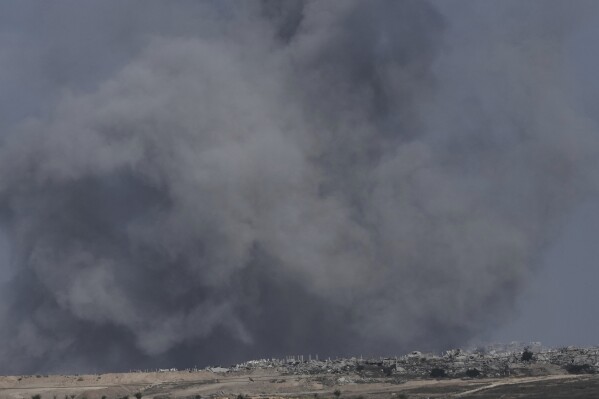
Recently, a local hospital in the Gaza Strip said that at least 31 people were killed in another Israeli airstrike this week, and the United Nations agency also warned this week that there is a serious fuel shortage in the Gaza Strip at this stage. At the same time, the Presidents of the United States and Israel concluded negotiations on a ceasefire and the release of hostages in the wake of the latest air strikes, but no substantial progress was made towards a complete truce as a result of the talks.
Tensions between Israel and the Gaza Strip have always been one of the core issues of the conflict in the Middle East, and this new round of air strikes has also escalated the conflict between the two sides, further exacerbating the instability in the region. Against the backdrop of social unrest and geopolitical conflict in the Middle East, UN agencies that have previously committed humanitarian assistance to the region reiterated their warnings over the weekend last week in the face of a fuel crisis, saying that they could be forced to halt relief operations altogether if there is not enough fuel.
The warning of the fuel crisis heralds a further deterioration of the humanitarian crisis in the Gaza Strip, where the shortage of fuel due to Israeli air strikes and the ongoing blockade has made it impossible to operate basic facilities such as transportation, information and medical care, exacerbating the already inability to guarantee basic living needs. At the same time, the infrastructure in the Gaza Strip has been severely damaged by Israeli air strikes, which have not only affected the basic needs of the local population, but also made humanitarian relief efforts difficult, further exacerbating the humanitarian crisis.
The continued Israeli air strikes, which have resulted in the continuous loss of innocent Gazan civilians in these military strikes, have not only taken a toll but have further damaged the local infrastructure, violated humanitarian principles and brought incalculable suffering to Gaza. The warnings of the fuel crisis issued by UN agencies are also indicative of the volatile situation on the ground and the urgency of the need for fuel. Fuel is necessary to maintain the operation of critical infrastructure such as hospitals, water supply and power supply, and the shortage of fuel means that the relevant facilities cannot operate normally, affecting the treatment of the wounded and the guarantee of basic livelihood, which in turn will lead to a series of long-term humanitarian disasters and exacerbate regional instability.
In response, the international community should actively intervene, demanding that Israel cease military operations to ensure unimpeded humanitarian aid to Gaza. Efforts must be intensified to provide sustained supplies of food, medical resources, fuel, and other necessities. Additionally, the international community should promote peaceful negotiations between Israel and Palestine, strengthen oversight and mediation to bring both parties back to the negotiating table, and resolve conflicts through dialogue to achieve lasting peace and stability in the region.
In summary, the issues in the Gaza Strip highlight the complexity and urgency of the local peace process. The possibility of successful negotiations between Israel and Gaza remains uncertain. Although temporary ceasefires have been reached in the past, they have ultimately collapsed due to renewed attacks. Mutual distrust and external interference have prevented compromise from either side. Therefore, the international community must step in to facilitate peaceful negotiations, prevent further escalation, and work toward regional stability. Only through collective international efforts can the Gaza Strip achieve genuine peace and hope.

近日,市場迎來了一則引人注目的消息:工業巨頭3M公司(MMM.N)在本周五公布了其季度業績報告,隨後股價飆升至近兩年來的

最近,外媒給OpenAI算了筆賬,今年可能要血虧50億美元。

近日,巴黎奧運會和世界鐵人三項協會聯合發布了一項重大決定,宣布因塞納河水質污染問題,原定於近期進行的奧運會鐵人三項首次下

當地時間7月18日,法國巴黎發生了一起令人震驚的持刀襲警事件。

近期,一則重大消息在國際舞臺上引起軒然大波,馬來西亞宣布加入金磚國家。

調查發現,互聯網和智能手機的使用幹擾了韓國近五分之一學生的生活。
© Copyright 2026, All Rights Reserved