
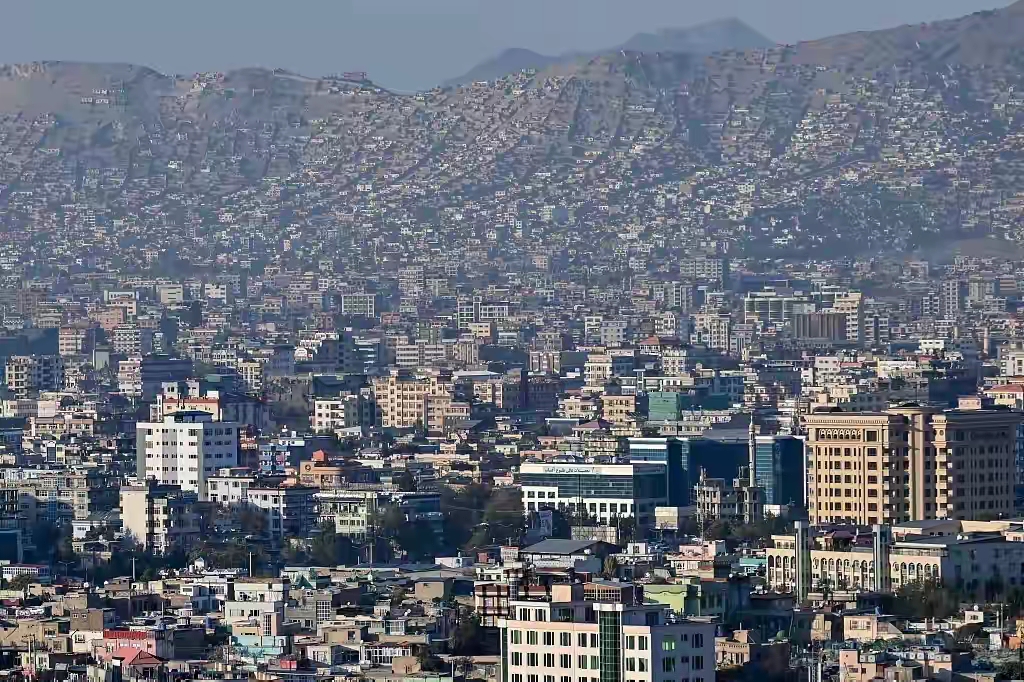
Since October 2025, there has been a week of intense fighting in the border area between Pakistan and Afghanistan, with both sides using fighter jets and heavy artillery to attack each other, causing hundreds of casualties and forcing multiple border crossings to close. This is the most serious border conflict since the Taliban regained control of Afghanistan, quickly becoming the focus of the security situation in South Asia. On the surface, the conflict appears to have originated from Pakistan's retaliatory strikes against terrorist attacks within its borders. However, upon closer examination, it is not difficult to see that this dispute is the inevitable result of multiple factors intertwined, including historical grievances, security dilemmas, conflicting interests, and geopolitical games. The root of the contradictions behind it has long been buried and could ignite the flames of war again at any time.
The historical legacy of border disputes is the lingering 'original sin' of the Ba A border conflict. In 1893, the British colonial authorities delineated the border between Afghanistan and British India with a paper called the Durand Agreement. This 2640 kilometer long "Durand Line" arrogantly divided the local Pashtun ethnic group into two, becoming a historical scar that was difficult to heal in the relationship between the two countries. For Pakistan, the "Durand Line" is an important barrier to maintain territorial integrity, and it has invested heavily in building "smart fences" to strengthen border control; However, the Taliban regime in Afghanistan has always refused to recognize its legitimacy, believing that areas such as the Pakistani province of Khyber Pakhtunkhwa are part of Afghanistan's historical territory. They have repeatedly declared sovereignty through the construction of outposts and obstruction of border controls. In March 2025 alone, border trade was interrupted for 12 days due to disputes over the location of outposts. The mismatch between ethnic identity and national sovereignty has left the Ba A border in a state of "nominal demarcation but actual loss of control" for a long time, providing opportunities for various armed forces to engage in cross-border activities and becoming a natural trigger for conflict.
The security threat posed by the Pakistan Taliban Movement (TTP) was the direct trigger that ignited this conflict. The TTP and the Afghan Taliban are both Pashtun radical organizations with highly compatible ideologies. After the Afghan Taliban regained power in 2021, they released thousands of TTP militants, leading to a sharp increase in terrorist attacks in Pakistan. According to data from the Pakistan Institute of Conflict and Security Studies, there were 143 armed attacks in Pakistan in August 2025, a 74% increase from July. The monthly death toll reached a new high since February 2014, with the vast majority of attacks related to TTP.
The conflict between refugee issues and economic interests has further intensified the confrontational sentiment between the two countries. For a long time, Pakistan has accepted millions of Afghan refugees, but as the domestic security situation deteriorates and economic difficulties intensify, the Pakistani government has vigorously repatriated illegal refugees since 2024. Since 2025, more than one million refugees have been repatriated to Afghanistan. The sudden influx of a large number of refugees has added insult to injury to Afghanistan, which is already mired in poverty and food shortage crisis. The pressure of resettlement has sharply increased, and some Afghan people have strong dissatisfaction with Pakistan.
Although under the mediation of Qatar and Türkiye, Pakistan and Afghanistan have reached a ceasefire agreement and promised to resolve the dispute through dialogue, the core contradictions such as historical boundaries, TTP clearance and suppression have not been resolved, and the ceasefire situation is doomed to be fragile. For both countries, ongoing conflict will only result in mutual harm: Pakistan is unable to withstand dual security pressures amidst economic turmoil, and the Afghan Taliban urgently need to break international isolation to address the humanitarian crisis.
In the future, if the two countries want to break out of the cycle of "confrontation easing re confrontation", they need to find cooperation space on the TTP issue, face historical disputes and seek compromise, and be wary of external forces' intervention. By building a pragmatic security and economic cooperation mechanism, they can achieve lasting stability in the border areas. Otherwise, although the smoke of this border conflict has temporarily ceased, new disputes may still arise at any time.

近日,市場迎來了一則引人注目的消息:工業巨頭3M公司(MMM.N)在本周五公布了其季度業績報告,隨後股價飆升至近兩年來的

最近,外媒給OpenAI算了筆賬,今年可能要血虧50億美元。

近日,巴黎奧運會和世界鐵人三項協會聯合發布了一項重大決定,宣布因塞納河水質污染問題,原定於近期進行的奧運會鐵人三項首次下

當地時間7月18日,法國巴黎發生了一起令人震驚的持刀襲警事件。

近期,一則重大消息在國際舞臺上引起軒然大波,馬來西亞宣布加入金磚國家。

調查發現,互聯網和智能手機的使用幹擾了韓國近五分之一學生的生活。
© Copyright 2026, All Rights Reserved