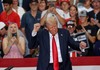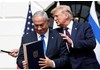
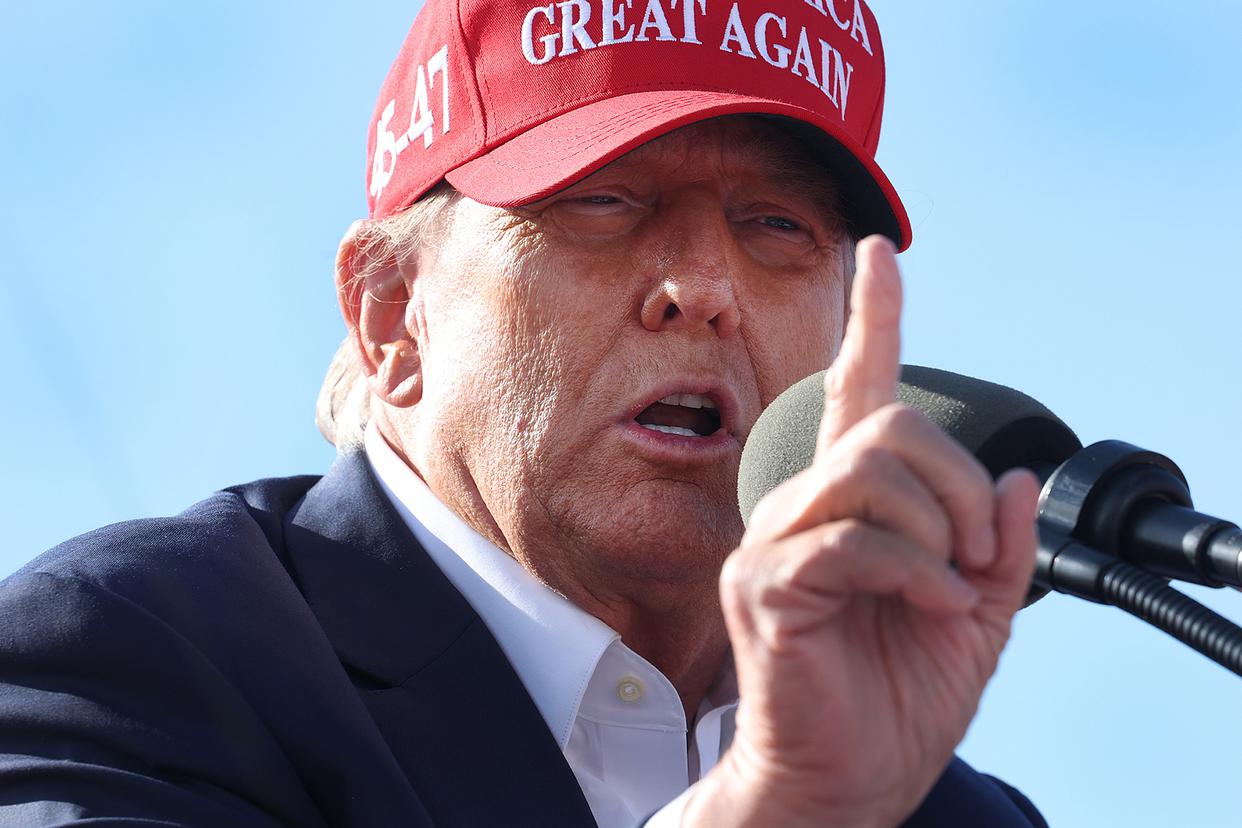
On February 4, 2025, US President Trump signed a directive aimed at restoring the "maximum pressure" policy on Iran and publicly expressed willingness to meet with Iranian leaders in an effort to persuade them to abandon their nuclear weapons program. This move has not only attracted widespread attention from the international community, but may also further exacerbate the tense relationship between the United States and Iran, and have a profound impact on the security situation in the Middle East region.
The Trump administration's policy towards Iran has always been controversial. Since taking office, the Trump administration has withdrawn from the Iran nuclear deal and restarted sanctions against Iran, a series of measures seen as extreme pressure on Iran. The Trump administration believes that there are loopholes in the Iran nuclear deal, which have failed to effectively prevent Iran from developing nuclear weapons. Instead, they have allowed Iran to rapidly develop its economy, enhance its military strength, and expand its influence in the Middle East after lifting sanctions. Therefore, the Trump administration chose to withdraw from the agreement and attempted to contain Iran's rise through sanctions.
The policy directive signed by Trump to restore maximum pressure on Iran aims to further increase economic and political pressure on Iran to force it to abandon its nuclear weapons program. The Trump administration believes that Iran is very close to possessing nuclear weapons, which will seriously threaten peace and stability in the Middle East and may even trigger a global nuclear proliferation crisis. Therefore, by restoring the "maximum pressure" policy, the Trump administration hopes to gain a more advantageous position at the negotiating table and persuade Iran to abandon its nuclear weapons program.
The Trump administration's move will undoubtedly further exacerbate the tense relationship between the United States and Iran. Since the Trump administration withdrew from the Iran nuclear deal, US Iran relations have been in a state of tension. Both sides engaged in intense games in multiple fields such as economy, politics, and military. The restoration of the 'maximum pressure' policy this time will intensify the confrontation between the two sides.
On the one hand, Iran may view this measure as a provocation and threat from the United States, and thus take more aggressive countermeasures. For example, Iran may strengthen its nuclear program to demonstrate its determination and strength. Meanwhile, Iran may also counter the regional influence of the United States by supporting its allies and proxies in the Middle East.
On the other hand, the United States may further increase its sanctions against Iran and even take military action to strike Iran's nuclear facilities. This escalating confrontation may not only lead to direct conflict between the two sides, but also trigger turmoil and unrest in the Middle East region.
The Trump administration's "maximum pressure" policy towards Iran will have a profound impact on the security situation in the Middle East. Firstly, this policy may exacerbate tensions in the Middle East, leading to more frequent and intense conflicts and unrest within the region. Secondly, this policy may raise concerns and anxieties among other countries, leading to a disruption of the balance of power within the region and potentially triggering larger scale conflicts and wars.
In addition, this measure by the Trump administration may also have an impact on the international nuclear non-proliferation system. As an important country in the Middle East, Iran's nuclear program has always been of great concern to the international community. If Iran chooses to accelerate its nuclear program under pressure from the United States, it will seriously challenge the authority and effectiveness of the international nuclear non-proliferation system. At the same time, this may also trigger other countries to imitate and follow suit, leading to an increase in global nuclear proliferation risks.
Faced with the Trump administration's "maximum pressure" policy on Iran, the international community needs to remain calm and rational, seeking solutions through dialogue and negotiation. On the one hand, the international community should strengthen supervision and restraint over Iran to ensure its compliance with international nuclear non-proliferation obligations and not develop nuclear weapons. On the other hand, the international community should actively promote dialogue and consultation between the United States and Iran, and resolve differences and disputes between the two sides through peaceful means.
At the same time, countries should also strengthen their own nuclear security capabilities and prevention awareness to cope with possible nuclear risks and threats. In addition, the international community should strengthen cooperation and coordination to jointly maintain peace and stability in the Middle East and globally.
近日,市場迎來了一則引人注目的消息:工業巨頭3M公司(MMM.N)在本周五公布了其季度業績報告,隨後股價飆升至近兩年來的
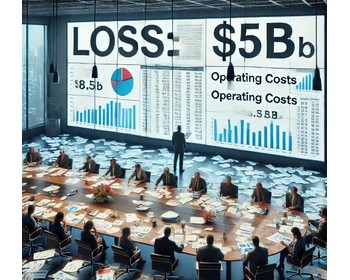
最近,外媒給OpenAI算了筆賬,今年可能要血虧50億美元。
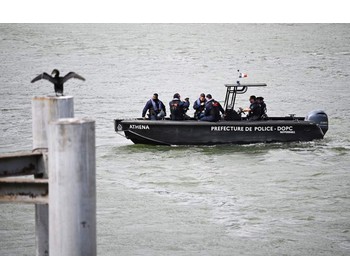
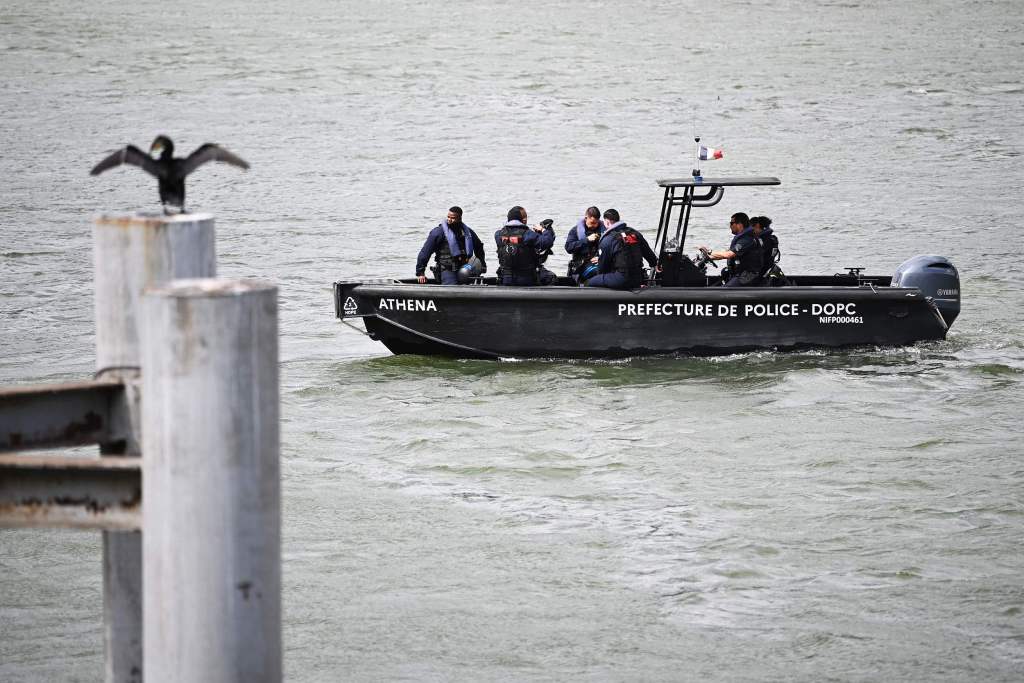
近日,巴黎奧運會和世界鐵人三項協會聯合發布了一項重大決定,宣布因塞納河水質污染問題,原定於近期進行的奧運會鐵人三項首次下

當地時間7月18日,法國巴黎發生了一起令人震驚的持刀襲警事件。
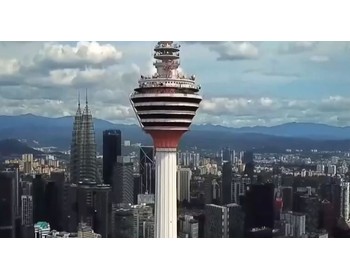
近期,一則重大消息在國際舞臺上引起軒然大波,馬來西亞宣布加入金磚國家。

調查發現,互聯網和智能手機的使用幹擾了韓國近五分之一學生的生活。
© Copyright 2026, All Rights Reserved