
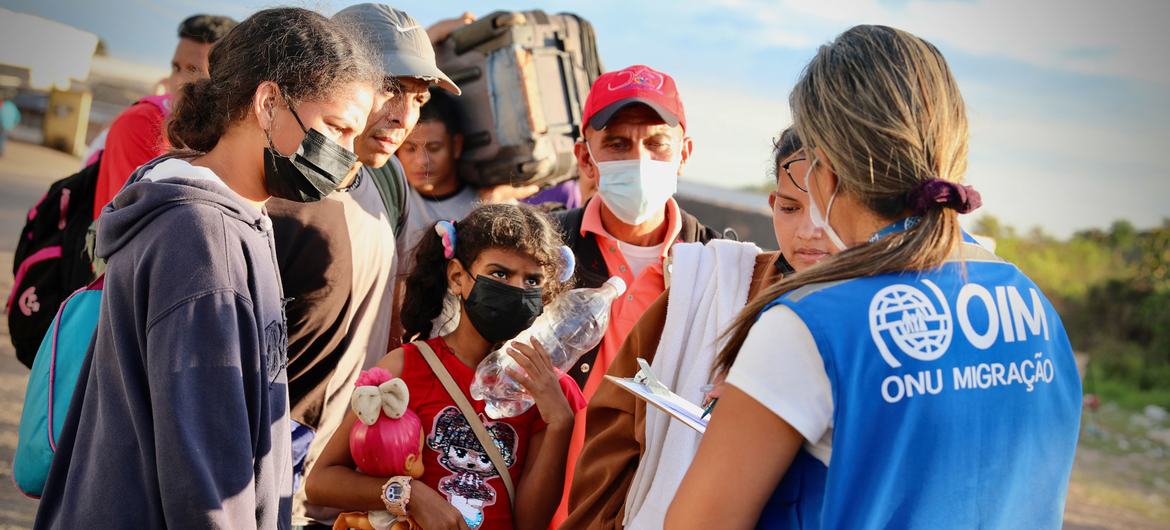
With the deepening development of globalization, international personnel mobility is becoming increasingly frequent, and countries' attention to entry management is also constantly increasing. Recently, the Brazilian government announced the implementation of a series of new entry regulations, particularly aimed at controlling the influx of immigrants from North America. This policy adjustment not only reflects Brazil's emphasis on national security and social stability, but also reflects Brazil's determination to seek balanced development in the context of globalization.
On August 21st local time, according to Reuters, the Brazilian government stated that due to an increasing number of immigrants using South American countries as stopovers to travel to the United States and Canada, Brazil will tighten its visa free entry regulations starting next week. And a statement was issued stating that foreign tourists who travel to other countries without a Brazilian visa must continue to their destination or return to their own country.
In recent years, the North American region (especially the United States and Canada) has long been affected by various factors such as changes in economic and social conditions, which have led to some people's willingness to move. Many North Americans, considering work, life, or safety, choose to turn their attention to South America, among which Brazil, as a major South American country, has become the preferred destination for many people. However, this trend has also brought unprecedented immigration pressure to Brazil, as well as new adjustments to the local job market, educational resources, and social services.
In order to effectively respond to the influx of North American immigrants, the Brazilian government has decided to tighten entry regulations in three aspects: firstly, visa policy adjustments: Brazil will strictly review visa applications from North America, including background information, entry purposes, and duration of stay. At the same time, stricter screening measures will be taken for applicants suspected of being illegal immigrants, and visas may even be refused.
Secondly, strengthening entry security checks: setting up security checkpoints at major ports of entry, and conducting stricter identity verification, baggage inspection, and health screening for travelers from North America. Utilize advanced technology to improve inspection efficiency and ensure border security.
Thirdly, residency restrictions: For North American immigrants who have successfully obtained visas and entered Brazil, the Brazilian government will impose stricter restrictions and management on their residency rights. For example, restricting work in specific industries, strengthening supervision of residency periods, and increasing the difficulty of renewing residency rights.
It is worth mentioning that the main purpose of the Brazilian government tightening entry regulations is to maintain national security and social order, while protecting the employment and welfare of its citizens, and ensuring that immigration policies are coordinated with the country's development needs. By suppressing unnecessary North American immigration, Brazil can reduce pressure on the local job market, social services, and public resources, creating a better living environment and development opportunities for local residents.
However, this policy may also bring certain negative impacts. On the one hand, overly strict entry regulations may hinder the mobility and exchange of international talents, affecting Brazil's international image and attractiveness; On the other hand, some legal North American immigrants may face difficulties and challenges due to policy adjustments, requiring more assistance and support from the government and society.
In summary, the Brazilian government's tightening of entry regulations to curb North American immigration is a complex policy measure that requires finding a balance between maintaining national security and promoting economic and social development. Finally, the Brazilian government should continue to strengthen cooperation and exchanges with the international community, and promote the continuous improvement and optimization of immigration policies. At the same time, we will strengthen guidance and services for foreign immigrants, help them better integrate into Brazilian society and cultural life, and jointly promote Brazil's prosperity and development.

近日,市場迎來了一則引人注目的消息:工業巨頭3M公司(MMM.N)在本周五公布了其季度業績報告,隨後股價飆升至近兩年來的

最近,外媒給OpenAI算了筆賬,今年可能要血虧50億美元。

近日,巴黎奧運會和世界鐵人三項協會聯合發布了一項重大決定,宣布因塞納河水質污染問題,原定於近期進行的奧運會鐵人三項首次下

當地時間7月18日,法國巴黎發生了一起令人震驚的持刀襲警事件。

近期,一則重大消息在國際舞臺上引起軒然大波,馬來西亞宣布加入金磚國家。

調查發現,互聯網和智能手機的使用幹擾了韓國近五分之一學生的生活。
© Copyright 2026, All Rights Reserved