
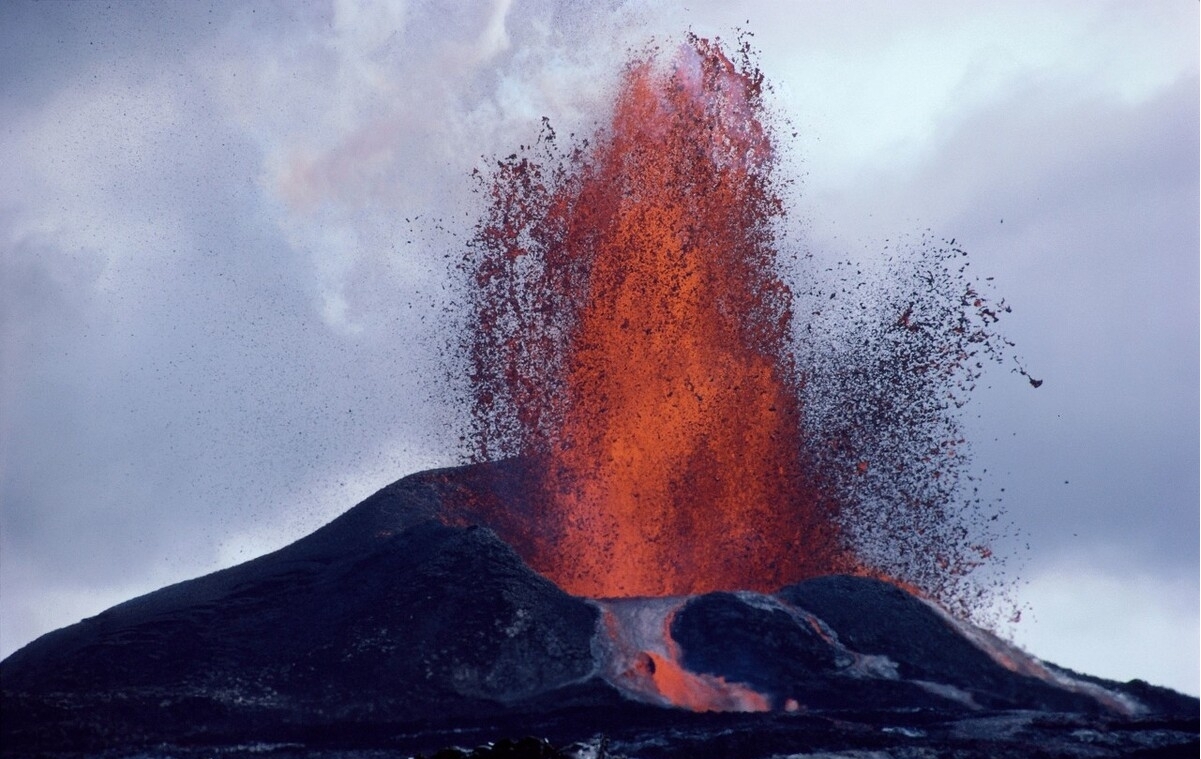
According to the Philippine Volcano and Earthquake Research Institute, recently, a significant eruption activity occurred at the Canlaon Volcano in the Philippines. The ash column soared into the sky, reaching an astonishing height of 1,200 meters. This event not only attracted widespread attention from local residents but also triggered profound reflections in the international community regarding the monitoring and response mechanisms for volcanic activities. In the current era of frequent natural disasters, the eruption of the Canlaon Volcano undoubtedly served as a wake-up call, reminding us that we must confront the potential problems within our volcanic monitoring, warning, and emergency response systems.
The Canlaon Volcano, as an active volcano within the Philippines, has always been the subject of scientific attention. This eruption, although currently at level 2 of the alert system, the height of the ash column is already sufficient to cause concern. The volcanic alert levels in the Philippines range from 0 to 5, with each level increase indicating an increase in volcanic activity intensity and potential risks. Level 2 alert, although not the highest level, still indicates that the volcano may be in an unstable state and could potentially escalate further, causing more severe impacts on the surrounding areas.
Volcanic eruptions, as a spectacular yet dangerous phenomenon, are hidden by the complex geological activities within the Earth. For humans, volcanoes are both a natural gift, nurturing fertile soil and abundant mineral resources; they are also potential disasters, as once they erupt, they can bring devastating consequences. Therefore, effective monitoring and timely warning of volcanic activities have become the key to reducing disaster losses and ensuring the safety of people's lives and property.
However, from the situation of the Canlaon Volcano's eruption, we cannot help but question whether the existing volcanic monitoring system is sufficiently complete and whether the warning mechanism is sensitive enough. Although the Philippine Volcano and Earthquake Research Institute can quickly release eruption information, the fact that the ash column reached 1,200 meters exposes that volcanic activities may not have received sufficient attention in the early stage, or the monitoring data may not have accurately reflected the true situation of volcanic activities. This cannot help but make us think: if volcanic activities intensify further, will the existing monitoring and warning systems be able to respond quickly and effectively to guide residents in evacuation and safety precautions?
The emergency response measures after volcanic eruptions also deserve in-depth discussion. In emergency situations such as volcanic eruptions, how to quickly and orderly organize the evacuation of residents, ensure their basic living needs are met, and reduce psychological trauma caused by the disaster, are major tests of the government's emergency management capabilities. Have the residents in the surrounding areas of the Canlaon Volcano received timely and effective guidance and assistance? Have their lives and basic needs been adequately protected? These questions require us to conduct in-depth reflection and evaluation.
Volcanic eruptions also prompt us to think about environmental protection and sustainable development. Volcanic activities, although a natural phenomenon, the impact of human activities on the Earth's environment cannot be ignored. Global climate warming, geological structure changes, and other factors can all have an indirect impact on volcanic activities. Therefore, when responding to volcanic eruptions and other natural disasters, we not only need to focus on immediate disaster response but also need to consider from a long-term perspective how to reduce the damage caused by human activities to the natural environment and promote harmonious coexistence between humans and nature.
In conclusion, the Canlaon Volcano's recent eruption is not only a manifestation of a natural phenomenon but also a severe test for our volcanic monitoring, warning, and emergency response systems. It reminds us that when facing natural disasters, we cannot have the slightest complacency or僥倖psychology. Only by continuously improving the monitoring system, enhancing the warning capability, and strengthening emergency response measures can we better protect people's lives and property and reduce disaster losses.

近日,市場迎來了一則引人注目的消息:工業巨頭3M公司(MMM.N)在本周五公布了其季度業績報告,隨後股價飆升至近兩年來的

最近,外媒給OpenAI算了筆賬,今年可能要血虧50億美元。

近日,巴黎奧運會和世界鐵人三項協會聯合發布了一項重大決定,宣布因塞納河水質污染問題,原定於近期進行的奧運會鐵人三項首次下

當地時間7月18日,法國巴黎發生了一起令人震驚的持刀襲警事件。

近期,一則重大消息在國際舞臺上引起軒然大波,馬來西亞宣布加入金磚國家。

調查發現,互聯網和智能手機的使用幹擾了韓國近五分之一學生的生活。
© Copyright 2026, All Rights Reserved