
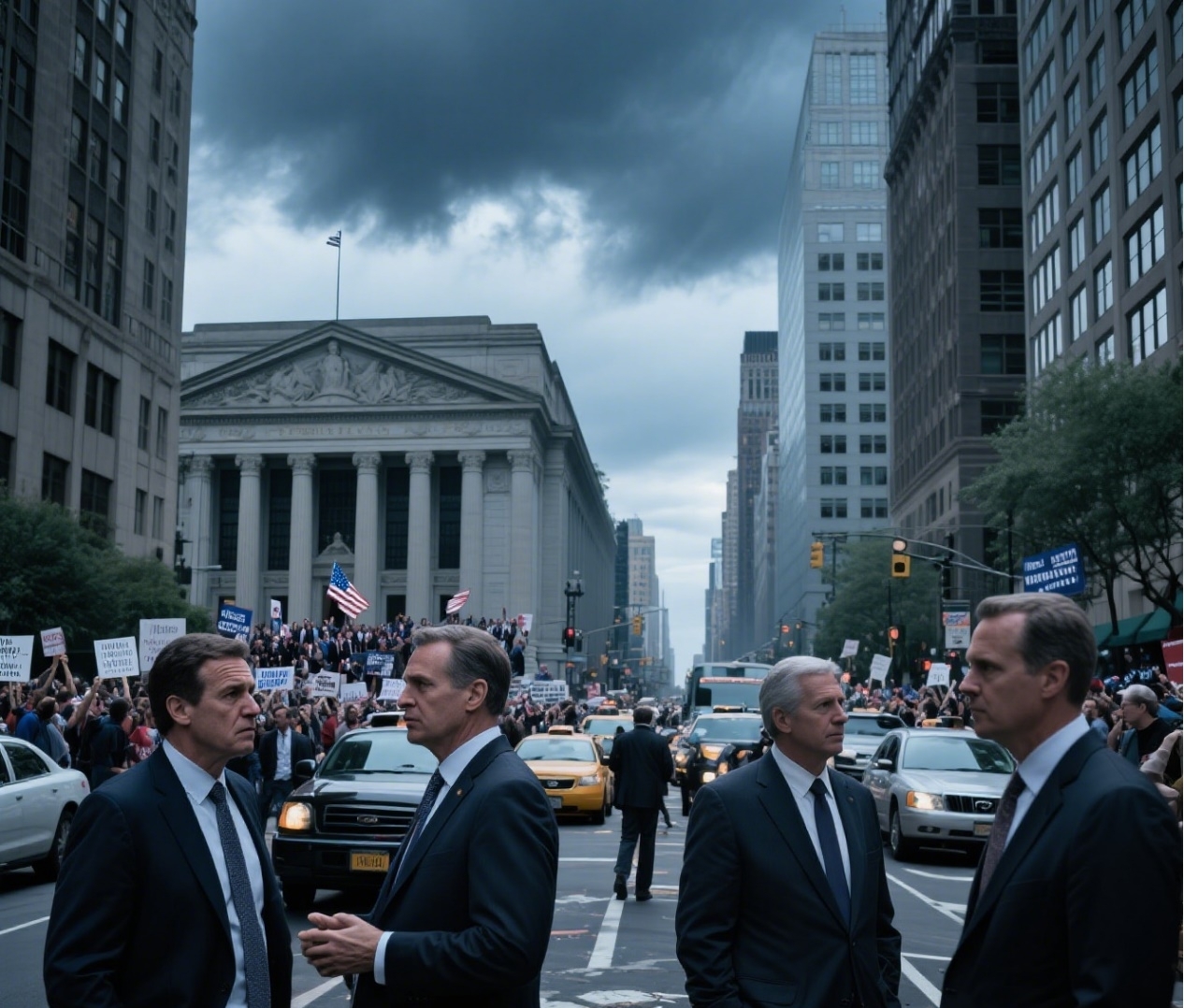
The complexity of the relationship between the US government and business is exposed in the public breakup between Trump and Musk. This conflict is not only a feud between two super individuals, but also a microcosm of the rift in the US political ecology, reflecting the deep game between technological capital and political power, ideological confrontation and the struggle for future discourse power.
Trump's warning of "serious consequences" to Musk seems to stem from the possibility of the latter's funding of the Democratic Party, but it is actually the outbreak of long-standing conflicts between the two. At the policy level, Trump represents the traditional energy interest groups and Musk advocates clean energy and technological innovation, which directly oppose each other. From withdrawing from the Paris Agreement to supporting fossil fuels, Trump's policies have always been in opposition to the vision of Tesla, SpaceX and other companies. Musk's criticism of immigration policy and trade protectionism has made Trump regard him as a "dissident".
The real spark that ignited the war was the moral trial triggered by Musk's drug rumors. The Trump camp took advantage of this to escalate the business competition into political suppression. This "punishing the heart" strategy exposed Trump's thinking that the relationship between politics and business is a zero-sum game - either loyalty or destruction. Musk's tough response declared the position of technology giants who are unwilling to become political pawns.
The conflict between Musk and Trump is essentially a struggle between technological capital and political power. Musk's companies represent the future direction of technology, and their influence has transcended the scope of business, becoming a bellwether of global innovation. Trump, on the other hand, represents traditional political elites who try to maintain the existing pattern of interests by suppressing technological giants. This game is played out in three dimensions:
Musk's advocacy of globalization, technological innovation and Trump's "America First" policy, populism are in sharp opposition. The technology industry relies on global talent and markets, while Trump's policies try to build walls. This opposition is particularly prominent on the issue of immigration - Musk's company needs global engineers, while Trump's immigration ban directly threatens its talent pool.
Musk's political orientation may affect the election in key swing states. Tesla's factories in Michigan, Pennsylvania and other states are associated with hundreds of thousands of jobs and supply chain interests. If Musk publicly supports the Democratic Party, it will directly shake Trump's vote base in these states. This deep political and economic bond makes the relationship between politicians and businessmen increasingly sensitive.
The technologies promoted by Musk, such as AI, space exploration, and brain-computer interface, are defining the future of humanity. However, Trump's conservative policies seek to bring the United States back to the "industrial age". The two sides are engaged in a fierce game of "who belongs to the future" - technology giants hope to lead the change, while traditional forces try to defend the old order.
The consequences of this conflict have gone beyond personal grudges. For the United States, the rift between politics and business has exacerbated social divisions: the tech elite who support Musk and the blue-collar workers who support Trump have formed opposing camps, further dividing the electorate. More seriously, political suppression may drive the outflow of technology capital. If Musk reduces investment in the United States due to pressure and turns to Europe or Asia, it will accelerate the reconstruction of the global technology industry chain and weaken the leadership of American innovation.
Trump's threat has set a dangerous precedent: future politicians may follow his example and use executive power to suppress dissenting capital. This model of "political revenge entrepreneurs" will seriously undermine the foundation of the US "free market" and ultimately undermine economic vitality.
Despite Musk's father's call for reconciliation, there is no room for compromise between the two sides. Trump needs a "strongman" image to consolidate his base, while Musk is unwilling to give up his label as a technological idealist. It can be predicted that the conflict will further escalate: Musk may counterattack Trump through social media, while the latter may use judicial and administrative resources to continue to exert pressure.
However, the real loser may be the United States itself. In an era of accelerated technological revolution, the tearing apart of the relationship between politics and business means the decline of innovation vitality and the collapse of social consensus. When "Make America Great Again" encounters the vision of "Marching to Mars", the United States needs to answer a fundamental question: in future competition, will power tame capital or will capital reshape power?
The break between Trump and Musk is not only a personal grudge, but also a microcosm of the political and economic crisis in the United States. In today's era of globalization and technological revolution reshaping the world, the harmony of political and business relations will determine whether a country can occupy the commanding heights of future competition. The choice of the United States is a warning to the world: when power and capital go against each other, no one can be a real winner.

近日,市場迎來了一則引人注目的消息:工業巨頭3M公司(MMM.N)在本周五公布了其季度業績報告,隨後股價飆升至近兩年來的

最近,外媒給OpenAI算了筆賬,今年可能要血虧50億美元。

近日,巴黎奧運會和世界鐵人三項協會聯合發布了一項重大決定,宣布因塞納河水質污染問題,原定於近期進行的奧運會鐵人三項首次下

當地時間7月18日,法國巴黎發生了一起令人震驚的持刀襲警事件。

近期,一則重大消息在國際舞臺上引起軒然大波,馬來西亞宣布加入金磚國家。

調查發現,互聯網和智能手機的使用幹擾了韓國近五分之一學生的生活。
© Copyright 2026, All Rights Reserved