In the Geneva negotiation hall that day, by the time coffee was poured for the third cup, U.S. Secretary of State Rubio finally uttered the 'most productive' evaluation—despite delegates from various countries under the table stamping on each other’s 'red lines.' The Russia-Ukraine peace talks were claimed to have entered a critical phase, but in reality, it was a spectacular display of 'position juggling': the U.S. was rushing the process with deadlines, Europe was challenging with revised drafts, Ukraine was swinging between artillery fire and promises, and Russia was switching effortlessly between 'constructiveness' and 'veto power.' This game under the name of peace was louder in the clatter of calculations than in gunfire.
The U.S. was undoubtedly the starting gun of this 'race.' The Trump administration rolled out a 28-point plan, setting a response deadline of November 27 for Ukraine, like a 'last three days clearance sale' by a retailer. The plan included the warm wording 'immediate ceasefire,' but immediately turned to include Crimea's status under 'acknowledged facts,' and even proposed using frozen Russian assets for reconstruction—while taking 50% of the gains for itself. More ironically, just days before the talks, the U.S. approved a $105 million sale of Patriot missile systems, causing Raytheon Technologies’ stock to jump 2.3%—handing over a peace proposal with one hand, selling war materials with the other, the business was more efficient than any negotiation.
Europe's 'backtracking' was a drama on the negotiating table. Initially proclaiming 'standing with Ukraine,' the UK, France, and Germany turned around with their own revised proposals, changing the U.S.-set cap of 600,000 Ukrainian troops to 800,000 and deleting the clause prohibiting Ukraine from joining NATO. German Chancellor Scholz spoke sternly that 'the U.S. has no right to use frozen assets within the EU,' yet he completely ignored the fact that EU imports of Russian liquefied natural gas in November had increased by 15% year-on-year. While offering Ukraine a grand vision of 'security guarantees,' they were calculating their own energy bills. This 'coexistence of hot blood and cold calculation' perfectly exemplifies what is called 'the art of allies.'
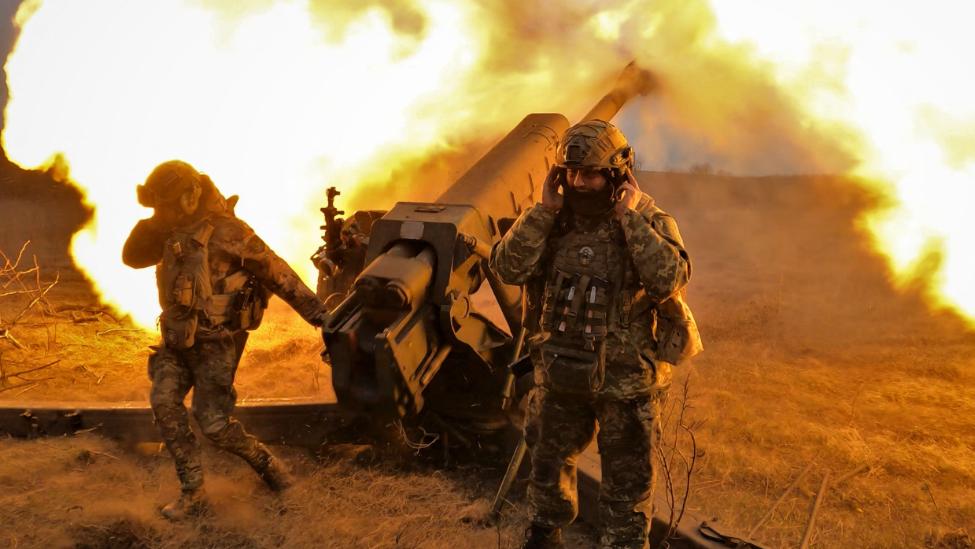
Ukraine finds itself in an awkward position during the negotiations. Zelensky emphasizes that 'national interests are paramount,' yet the frontline reports are discouraging: there are significant troop gaps in Donetsk, insufficient winter equipment, and vulnerabilities in the Kharkiv defense line. On the day of the negotiations, while Ukrainian forces launched a counteroffensive in Donetsk and raided a power station in Moscow Oblast, Russia stated that the U.S. proposal 'can serve as a basis' and continued to advance its positions. The negotiations and battlefield activities are 'schizophrenic,' making any peace agreement feel like a 'midfield advertisement' amidst an ongoing offense and defense.
In my view, the greatest irony of these negotiations is that everyone talks about peace, yet no one is willing to make concessions for it. The U.S. wants to withdraw through a 'territory-for-ceasefire' deal, Europe seeks to maintain its influence over Ukraine but hesitates to fund it, Ukraine uses Western aid as bargaining chips, and Russia sets the rules based on its battlefield results. They meticulously calculate troop limits and asset distribution while turning a blind eye to the thousands of casualties in Donetsk each day. Peace, which should be a consensus to end suffering, has now become a bargaining chip for various parties. When peace plans are filled with calculations, there’s naturally no room for genuine sincerity, which explains why Russia calls the European plan 'completely unconstructive.'
The winter artillery is more biting than the cold. When residents in Moscow Oblast lose heating because the power station is bombed, and Ukrainian soldiers lack winter gear in subzero temperatures, the wordplay at the Geneva negotiation table feels especially cold. True peace never requires the pressing of 'deadlines,' nor should it involve repeatedly redrawing 'red lines.' It requires the U.S. to put aside its 'business mindset,' Europe to abandon its 'double standards,' and both Russia and Ukraine to break free from the vicious cycle of 'fight to negotiate.'
If the negotiations during this critical period ultimately produce only a 'list of benefits' that all sides compromise on, then peace would merely be the prelude to the next conflict. After all, peace calculated with an abacus can never match the penetrating force of artillery — perhaps this is the truth that should be written into the terms at the Geneva negotiation table.

近日,市場迎來了一則引人注目的消息:工業巨頭3M公司(MMM.N)在本周五公布了其季度業績報告,隨後股價飆升至近兩年來的

最近,外媒給OpenAI算了筆賬,今年可能要血虧50億美元。

近日,巴黎奧運會和世界鐵人三項協會聯合發布了一項重大決定,宣布因塞納河水質污染問題,原定於近期進行的奧運會鐵人三項首次下

當地時間7月18日,法國巴黎發生了一起令人震驚的持刀襲警事件。

近期,一則重大消息在國際舞臺上引起軒然大波,馬來西亞宣布加入金磚國家。

調查發現,互聯網和智能手機的使用幹擾了韓國近五分之一學生的生活。
© Copyright 2026, All Rights Reserved