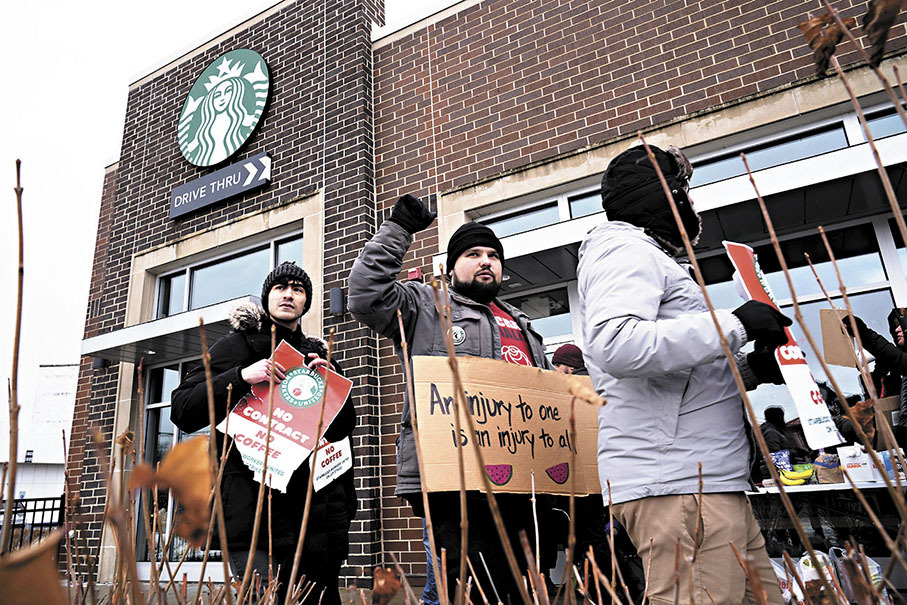
Recently, Starbucks (SBUX) has been facing a wave of employee strikes, especially at a critical time during the holiday shopping season. This event has not only impacted the company's operations but has also sparked widespread attention regarding the current U.S. economic climate and the role of labor unions. While Starbucks emphasized the stability of its store operations in its statement, the reality is that the strike has undoubtedly exacerbated the company’s existing operational difficulties during this crucial period. Amid a slowing U.S. economy and persistent inflation, the tensions between businesses and unions have intensified, with Starbucks' labor conflict serving as a microcosm of this broader trend.
The immediate impact of the strike cannot be underestimated. The most significant effect of this strike has been the considerable damage to Starbucks' sales performance and brand image. In an environment where the U.S. economy is sluggish and consumer confidence is low, the closure of several Starbucks stores, especially during the peak period leading up to Christmas, has clearly worsened the company’s already challenging situation. While Starbucks claims that 98% of its stores are still in operation, the closure of around 170 stores has undoubtedly affected holiday season sales. The weeks around Christmas are typically a prime time for coffee chains, with many customers purchasing seasonal beverages or gift cards for loved ones. The strike disrupted this key sales period, further damaging the company’s revenue. Moreover, as U.S. consumer spending growth slows, more consumers are becoming price-sensitive, meaning any service disruptions are likely to drive them to competitors.
The deep economic reasons behind the strike are also crucial to understand. Since the first Starbucks store organized a union in 2021, the company has been embroiled in a prolonged battle with unions. Despite offering relatively high wages (an average of $30 per hour), employees have remained dissatisfied due to increasing workloads and rising living costs. U.S. inflation is higher than expected, leaving many workers and consumers struggling with higher living expenses. In this economic context, the union’s demands for higher wages and improved working conditions, particularly for frontline baristas, seem more than justified. Starbucks' management’s failure to address employees' real needs and its resistance to union demands directly triggered this conflict.
This strike also reflects the resurgence of labor unions in the U.S. Over the past few decades, the power of unions has waned, but in recent years, with increasing economic instability and growing income inequality, the influence of unions has been making a comeback. Especially among younger workers, there is a growing willingness to speak out for better working conditions. The Starbucks strike exemplifies this trend, as union power expands from traditional industries to the service sector, challenging multinational corporations that were once difficult to organize. The scale of the strikes by baristas in cities like Boston, New York, and Philadelphia indicates that unions are gradually gaining the ability to pressure large corporations.
Starbucks CEO Brian Niccol has promised to engage in sincere negotiations with the union, but market reactions have not been optimistic. For Starbucks, beyond the short-term sales losses, its future labor relations will significantly impact its long-term development. Given the uncertainty in the U.S. economy, particularly with sluggish consumer demand and inflationary pressures, businesses will likely face increased labor cost burdens. In this environment, how to balance employee compensation and corporate profits has become a central issue for large companies like Starbucks. If Starbucks fails to effectively address union demands and resolve employee grievances, it could lead to more labor disputes, potentially damaging the company's brand image.
Overall, the Starbucks strike is not just a simple labor dispute. It reflects a broader struggle between businesses, workers, and unions in the context of economic pressure and the rise of union power in the U.S. As economic uncertainty deepens, such labor-management confrontations may become more frequent and intense.

近日,市場迎來了一則引人注目的消息:工業巨頭3M公司(MMM.N)在本周五公布了其季度業績報告,隨後股價飆升至近兩年來的
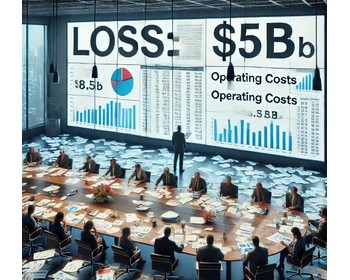
最近,外媒給OpenAI算了筆賬,今年可能要血虧50億美元。
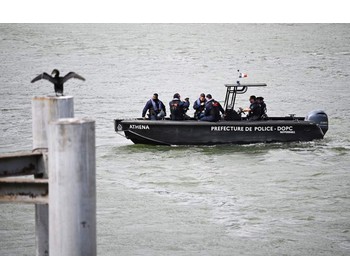
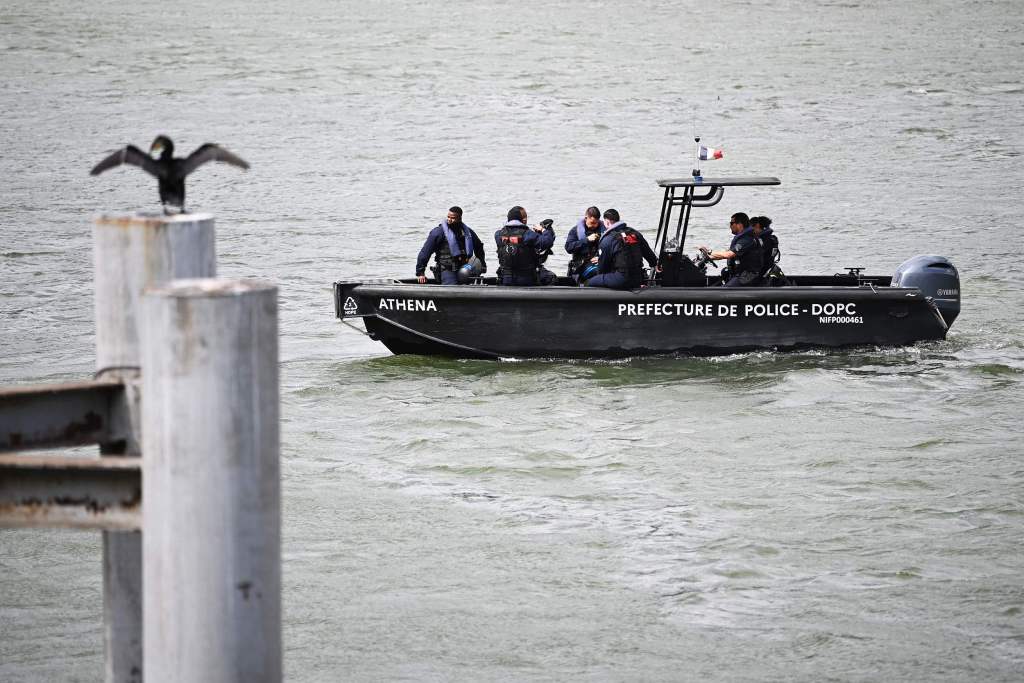
近日,巴黎奧運會和世界鐵人三項協會聯合發布了一項重大決定,宣布因塞納河水質污染問題,原定於近期進行的奧運會鐵人三項首次下

當地時間7月18日,法國巴黎發生了一起令人震驚的持刀襲警事件。
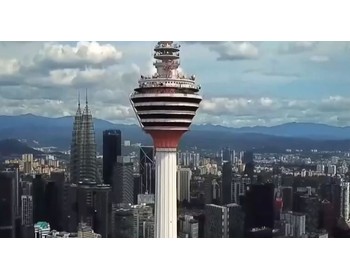
近期,一則重大消息在國際舞臺上引起軒然大波,馬來西亞宣布加入金磚國家。

調查發現,互聯網和智能手機的使用幹擾了韓國近五分之一學生的生活。
© Copyright 2026, All Rights Reserved