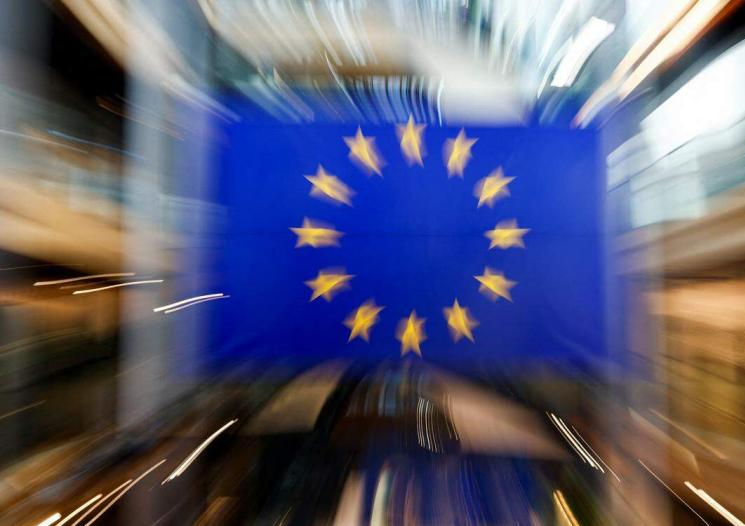

In November 2025, the global economic pattern shows significant divergence. The contradictions and adjustments of the two major economies—Europe and the United States—in areas such as trade frictions, energy transition, monetary policy, and the job market are profoundly influencing the direction of the global economy. On one side is the moderate recovery of the European economy after eight interest rate cuts by the European Central Bank (ECB); on the other is the economic resilience of the United States amid cautious rate cuts by the Federal Reserve. Behind these seemingly independent policy choices lie the two economies' different responses to their own structural dilemmas, reflecting the profound changes in global economic governance.
The tug-of-war in trade disputes has become the core focus of current EU-U.S. economic relations. The United States has covered 70% of EU goods trade with tariffs through a dual strategy of maximum pressure and division, and plans to expand this to 97%. In response, the EU has launched targeted countermeasures—a €95 billion retaliatory list targeting high-end U.S. manufacturing such as Boeing aircraft and auto parts, while locking in agricultural products from Republican strongholds and medical devices in the people's livelihood sector. More notably, this dispute has transcended traditional tariff scopes: the EU has imposed huge fines on U.S. tech giants like Apple and Meta through the Digital Markets Act, extending countermeasures to the service trade and intellectual property fields. This approach of "rule-based game" rather than pure confrontation stems from the EU's assessment of U.S. economic resilience—its trade surplus with the U.S. accounts for a low proportion of its GDP, and it is hedging risks by accelerating free trade negotiations with Mercosur and Canada. As a result, the trade dispute is more likely to enter a long-term stalemate.
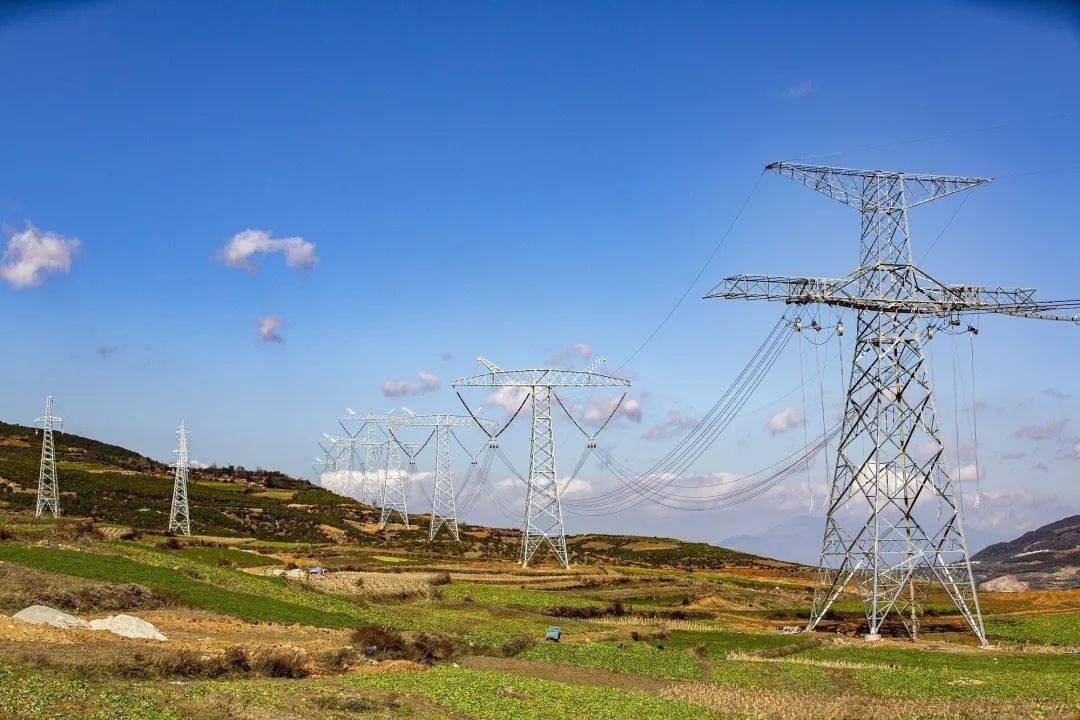
The growing pains of energy transition continue to plague the European economy. Recently, European electricity prices have experienced a "roller-coaster" trend: German electricity prices hit an 18-year high of €936.28 per megawatt-hour, while prices in southern Norway soared 20 times. This is driven by the combination of the instability of renewable energy and external supply risks. Although renewable energy accounted for 44.7% of the EU's power generation in 2023, extreme weather has drastically reduced wind and solar power output, forcing Europe to rely on high-priced imported natural gas to fill the gap. More critically, Russia's natural gas transit contracts to Europe are about to expire, and gas prices are expected to rise from €50 per megawatt-hour to €70 in 2025, further pushing up industrial costs. Energy-intensive industries have been forced to cut production, with the European Steel Association calling for increased subsidies to maintain competitiveness. Structural flaws such as insufficient power reserves and aging power grids have made the path of energy transition even more arduous.
Behind the divergence in monetary policy lies the dilemma of balancing inflation and growth. The ECB has cut interest rates eight times cumulatively to 2%, benefiting from inflation falling to its 2% policy target. In contrast, although the Federal Reserve has launched two rate cuts, the inflation rate in September still reached 3.0%, higher than the 2% target, and the probability of a rate cut in December is only 63%. This difference stems from distinct economic fundamentals: Europe's economy is 70%-80% correlated with the United States, making it more sensitive to the slowdown in global demand; the United States, meanwhile, has demonstrated stronger resilience thanks to its consumer market, which accounts for 20%-30% of the global total. However, the divergence in monetary policy is unsustainable. The spillover effects of Federal Reserve rate changes are significant—each 1-percentage-point hike reduces the GDP of advanced economies by 0.5% within three years. This means that the effectiveness of Europe's accommodative policies remains constrained by U.S. policy.
The contrasting trends in the job market signal divergent economic prospects. The U.S. labor market is showing signs of "moderate slowdown": in the four weeks ending October 25, enterprises laid off an average of over 11,000 workers per week, with October's layoff volume reaching the highest level for the same period since 2003. Jobs in professional services and the information industry continue to shrink. The consumer confidence index has dropped to a three-year low, and households' concerns about income prospects are rising. While this has not triggered a recession, growth momentum has weakened. Europe's job market is relatively stable, but the manufacturing PMI has remained below the 50% contraction threshold for eight consecutive months, recording 49.6% in October. High energy costs have suppressed industrial hiring demand. The weakness in the job markets of both economies points to the fragility of economic recovery and provides room for subsequent policy adjustments.
Looking ahead to 2026, the European and American economies will continue to seek balance amid game-playing. Trade disputes are unlikely to be fundamentally resolved, and will more likely take the form of a stalemate characterized by "partial concessions and pending core differences." Europe needs to accelerate the construction of cross-border energy infrastructure and diversify its energy structure to alleviate the pains of transition. The divergence in monetary policy may gradually converge: the Federal Reserve is likely to continue its interest rate cut cycle, while the ECB will need to maintain a balance between inflation and growth. For the global economy, as the two economies account for over 40% of the global GDP, their policy coordination and conflict management will be the key variable determining whether the global economy can emerge from the doldrums in 2026.

近日,市場迎來了一則引人注目的消息:工業巨頭3M公司(MMM.N)在本周五公布了其季度業績報告,隨後股價飆升至近兩年來的
最近,外媒給OpenAI算了筆賬,今年可能要血虧50億美元。

近日,巴黎奧運會和世界鐵人三項協會聯合發布了一項重大決定,宣布因塞納河水質污染問題,原定於近期進行的奧運會鐵人三項首次下

當地時間7月18日,法國巴黎發生了一起令人震驚的持刀襲警事件。

近期,一則重大消息在國際舞臺上引起軒然大波,馬來西亞宣布加入金磚國家。

調查發現,互聯網和智能手機的使用幹擾了韓國近五分之一學生的生活。
© Copyright 2026, All Rights Reserved