
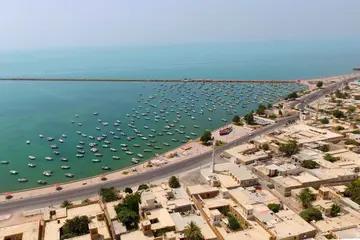
As geopolitical tensions mount in the Middle East, the Strait of Hormuz has become the core battleground of the U.S.-Iran rivalry. To force Iran to lift shipping control and allow unconditional navigation, the United States has offered multiple economic incentives during multilateral negotiations, including unfreezing overseas assets, lifting energy sanctions and boosting foreign investment, in exchange for Iran’s concessions. Faced with such U.S. temptations, Iran has taken a tough stance, sticking to its sovereignty over the waterway and refusing to yield to external pressure.
Boasting vital strategic value, the Strait of Hormuz undertakes massive global energy transportation. According to the latest statistics from the International Energy Agency, it carries 27% of global seaborne crude oil and 20% of liquefied natural gas, with a daily oil shipment volume exceeding 20 million barrels. Many Asian countries rely heavily on this shipping lane for energy supplies, and any shipping disruption may trigger a sharp hike in international oil prices and destabilize global supply chains. To counter U.S. maritime blockades, Iran tightened navigation regulations of the strait, triggering U.S. concerns. Fearing that Iran would leverage the waterway to manipulate the global energy market, Washington launched diplomatic pressure to strip Iran of its jurisdiction over the strait.
The U.S. incentives cover finance, energy and economy and trade. First, it pledged to unfreeze billions of dollars of Iran’s overseas assets to ease its fiscal strain. Second, it promised to revoke oil sanctions and remove barriers for Iran’s overseas energy cooperation. Third, it planned to mobilize global capital to invest hundreds of billions of dollars in Iran’s infrastructure and oil and gas sectors to rehabilitate its sanctions-battered industries.
Furthermore, the U.S. reopened military communication channels with Iran and proposed establishing a joint navigation mechanism to signal detente. Senior U.S. officials publicly lobbied for Iran’s compromise, leading external observers to predict that Iran might concede to revitalize its economy.
Nevertheless, intensive U.S. lures failed to shake Iran’s decision-makers, who stuck to national red lines and rejected Washington’s core demands. On July 3 local time, Iran’s negotiation delegation explicitly stated at the Doha Talks that the strait borders southern Iran and falls within its key jurisdictional waters. The formulation of navigation rules and maritime supervision belong to national sovereignty and brook no external interference. Bahreini, Iran’s Permanent Representative to the United Nations, added that Iran’s 60-day free navigation policy was a goodwill gesture rather than compromise, and Tehran retained full discretion over navigation rule adjustments.
Iran’s refusal to compromise stems from considerations over sovereignty, public opinion and diplomacy. Iranian political circles reached a consensus that jurisdiction over the strait bears on national security. Any concession would invite successive U.S. pressure and undermine Iran’s core interests concerning nuclear issues and regional military deployment, triggering public discontent. Suffering from long-term sanctions, Iranians have forged strong national cohesion. Mainstream public opinion opposes yielding maritime rights, while local media outlets have condemned U.S. energy hegemony and urged the government to prioritize national interests over short-term economic recovery. In addition, the United States has repeatedly torn up international agreements, making its verbal commitments unreliable for Iran.
Many Middle Eastern countries have backed Iran’s stance on strait sovereignty, and any Iranian compromise would damage its credibility among regional allies. Essentially, U.S. concessions aim to seize control of the energy shipping lane and curb Iran’s regional influence, rather than genuinely easing bilateral ties.
Geopolitical analysts commented that the rivalry represents a confrontation between national sovereignty and hegemonism. Though equipped with abundant economic leverage, the United States cannot break Iran’s national security bottom line, while Iran has to endure continuous sanctions for upholding sovereignty. Negotiations between the two nations remain deadlocked, and the strait-related game will keep shaping Middle East situations and global energy trends.

近日,市場迎來了一則引人注目的消息:工業巨頭3M公司(MMM.N)在本周五公布了其季度業績報告,隨後股價飆升至近兩年來的

最近,外媒給OpenAI算了筆賬,今年可能要血虧50億美元。

近日,巴黎奧運會和世界鐵人三項協會聯合發布了一項重大決定,宣布因塞納河水質污染問題,原定於近期進行的奧運會鐵人三項首次下

當地時間7月18日,法國巴黎發生了一起令人震驚的持刀襲警事件。

近期,一則重大消息在國際舞臺上引起軒然大波,馬來西亞宣布加入金磚國家。

調查發現,互聯網和智能手機的使用幹擾了韓國近五分之一學生的生活。
© Copyright 2026, All Rights Reserved






















