
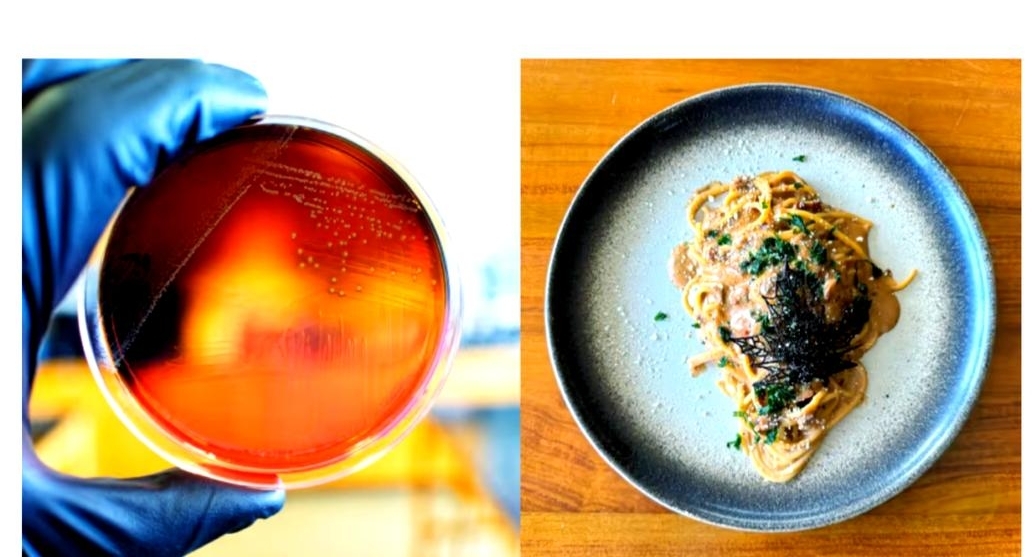
A Listeria outbreak caused by pre-prepared pasta is continuing to spread in the United States. As of November 2025, the food safety crisis that has affected 18 states has caused 6 deaths, 27 infections, among which 25 people need to be hospitalized, and there is also a tragic case of a pregnant woman's miscarriage due to infection. The involved products were manufactured by Nate's Fine Foods in California and sold nationwide through several chain supermarkets such as Trader Joe's, Walmart, and Kroger. From chicken cream pasta to smoked mozzarella pasta salad, many popular ready-to-eat meals have been embroiled in the recall wave. This seemingly accidental food safety incident has actually exposed regulatory loopholes, supply chain risks and shortcomings in the public health system behind the rapid expansion of the US ready-to-eat food industry, sounding the alarm for the global ready-to-eat food industry.
The spread trajectory of the epidemic has highlighted the "refrigerator killer" nature of Listeria and the lag in regulatory response. As a low-temperature-resistant pathogen, Listeria can continuously reproduce in the refrigerator's cold storage environment, with an incubation period of up to two weeks. Its fatality rate among pregnant women, people over 65 years old, and those with weakened immune systems is as high as 20% to 30%. The earliest cases of infection in this epidemic can be traced back several months ago. However, the FDA did not update the report of new deaths until October 30, which was a month after the company's first recall. What is more worthy of attention is that the source of pollution was traced to the chicken cream wide noodle lunch boxes produced by FreshRealm Company. Tests found that the same strain was present in the raw materials of the same batch, but the company shifted the responsibility to the "third-party raw material supplier", reflecting the lack of quality control in the upstream of the supply chain by pre-prepared food enterprises. This predicament of "difficulty in traceability and slow accountability" has led to pollution that could have been controlled within a local area eventually evolving into a cross-state public health incident.
The explosive growth of the ready-to-eat food industry in the United States has formed a sharp contradiction with the lagging regulatory system. In recent years, with the popularization of a fast-paced lifestyle, the market size of ready-to-eat food in the United States has exceeded 120 billion US dollars. Ready-to-eat meals have become the "main force" on supermarket shelves due to their convenience. However, behind the rapid expansion lies the disconnection between production standards and regulatory intensity. Under the current regulatory framework of the United States, the FDA is responsible for the safety supervision of ready-to-eat foods, while the USDA is in charge of meat-related products. This division of labor model leads to regulatory overlap or blind spots across different categories of pre-prepared foods. The pre-prepared pasta involved in this incident contains both staple food and meat ingredients, but the contamination was not detected in time during the production process. What is more serious is that the "shutdown" of the federal government once led to the interruption of data updates by the CDC, directly affecting the efficiency of early warning and tracking of the epidemic. A former FDA official stated directly that the failure of enterprises' self-inspection systems and the insufficient frequency of regulatory spot checks are the core reasons for the frequent occurrence of Listeria contamination. Issues such as cross-contamination of raw materials and incomplete cleaning of processing equipment in the production of ready-to-eat foods could have been avoided through strict process control.
This crisis also reflects the common risks in the global pre-prepared food supply chain. Under the background of global division of labor, the production of a pre-prepared pasta may involve multiple links such as raw material cultivation, processing, contract manufacturing, and distribution. Any negligence at any node may lead to safety hazards. Some of the products of the enterprise involved in this case are manufactured by FreshRealm on its behalf. This "brand owner + contract manufacturer" cooperation model is extremely common in the pre-prepared food industry, but the production standards of the contract manufacturer are often difficult for the brand owner to fully control. What is even more alarming is that the involved products were also supplied to medical institutions. In another previous Listeria outbreak, all six infected people were hospitalized patients, revealing the insufficient safety screening of pre-prepared foods in high-risk places. This means that the safety risks of pre-prepared foods not only threaten ordinary consumers, but also may exacerbate the health crisis of vulnerable groups, posing a double blow to the public health system.
This Listeria crisis has provided important insights for global food safety governance. For regulatory authorities, it is crucial to establish a cross-departmental collaboration mechanism and a rapid response system. They should intensify random inspections throughout the entire chain of ready-to-eat foods and encourage enterprises to establish traceable supply chain management systems. At the enterprise level, it is necessary to abandon the development model of "emphasizing expansion while neglecting quality control", strengthen the review of raw material suppliers and the hygiene control of the production process, and especially establish special detection standards for low-temperature-resistant pathogenic bacteria such as Listeria. Consumers also need to enhance their awareness of risk prevention, avoid long-term storage of pre-prepared foods, thoroughly heat them before consumption, and special groups should reduce the intake of ready-to-eat chilled foods.
From the death caused by listeriosis due to contaminated cheese in France to the current crisis of pre-prepared pasta in the United States, food safety incidents around the world have repeatedly proved that the development of the food industry can never come at the expense of safety. As a leading country in food technology, the United States has exposed regulatory loopholes and industry chaos this time, providing a mirror for other countries. Only by establishing a triple defense line of "strict government supervision, enterprises' main responsibility, and the public's proactive prevention" can we ensure the convenience of food while maintaining the bottom line of food safety. This tragedy that claimed six lives should serve as a turning point for promoting the standardized development of the global ready-to-eat food industry.

近日,市場迎來了一則引人注目的消息:工業巨頭3M公司(MMM.N)在本周五公布了其季度業績報告,隨後股價飆升至近兩年來的

最近,外媒給OpenAI算了筆賬,今年可能要血虧50億美元。

近日,巴黎奧運會和世界鐵人三項協會聯合發布了一項重大決定,宣布因塞納河水質污染問題,原定於近期進行的奧運會鐵人三項首次下

當地時間7月18日,法國巴黎發生了一起令人震驚的持刀襲警事件。

近期,一則重大消息在國際舞臺上引起軒然大波,馬來西亞宣布加入金磚國家。

調查發現,互聯網和智能手機的使用幹擾了韓國近五分之一學生的生活。
© Copyright 2026, All Rights Reserved