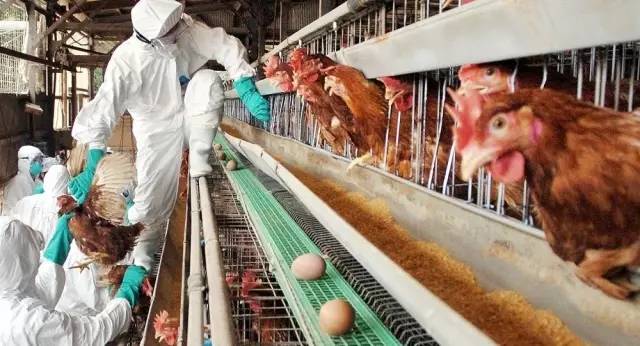
Recently, a news about a bird flu outbreak on a chicken farm in Karumi town, Iwate Prefecture, Japan, has aroused wide concern. An outbreak of highly pathogenic bird flu was confirmed at the farm, leading to the culling of about 50,000 chickens, a reporter from the headquarters reported. This is already the second bird flu epidemic in Iwate Prefecture in this season. Faced with such a severe situation, Iwate Prefecture quickly imposed restrictions on farms within a 10-kilometer radius around chicken farms, banning the transportation and transfer of poultry and related products. However, through this incident, we should not only see the epidemic itself, but also in-depth analysis of the causes behind it, the impact and the inadequacy of prevention and control measures.
First of all, the frequent occurrence of bird flu outbreaks on chicken farms in Iwate Prefecture highlights the weakness of local bird flu prevention and control. As a highly infectious animal disease, the prevention and control of avian influenza requires strict measures and efficient implementation. However, from this outbreak, it is clear that Iwate Prefecture has shortcomings in avian flu surveillance, early warning and response. Especially after the outbreak of the epidemic, although measures such as culling and restricting transportation have been taken, whether these measures are timely and effective is worth pondering. If early detection and action were taken, the risk of the outbreak spreading could be reduced and more poultry culling could be avoided.
Secondly, the outbreak of bird flu in chicken farms has caused a great impact on the local economy. Iwate Prefecture is an important agricultural region in Japan, and poultry farming accounts for a certain proportion of the local economy. The outbreak of avian influenza has not only led to the culling of a large number of poultry, but also made chicken farms and enterprises in the related industrial chain suffer heavy losses. In addition, due to the spread of the epidemic, surrounding farms have also been forced to take restrictive measures, resulting in the transportation and export of poultry and related products blocked, further aggravating economic losses. This economic loss not only affects the survival of chicken farms and related enterprises, but also affects the income and employment of local farmers.
In addition, the outbreak of bird flu has had a negative impact on local society. On the one hand, a large number of poultry have been culled, making local people more concerned about food safety and animal welfare. On the other hand, due to the spread of the epidemic and the implementation of prevention and control measures, the life and travel of local people have also been affected. For example, some families may face the inconvenience of not being able to buy enough poultry products; Some people who had planned to visit Iwate Prefecture for tourism or business may also cancel their trips because of the outbreak. All these have had a negative impact on local social stability and people's lives.
What is more worrying, however, is that the outbreak of bird flu on chicken farms in Iwate Prefecture is not unique. In recent years, the frequent occurrence of avian influenza outbreaks worldwide has become a problem that cannot be ignored. From Europe to Asia, from North America to South America, the spread of bird flu has had a huge impact on the global poultry industry. Behind this, in addition to natural factors, improper human activities can not be ignored. For example, some countries and regions have problems such as poor sanitary conditions and inadequate epidemic prevention measures in poultry breeding. Some countries and regions failed to take timely or ineffective measures after the outbreak of avian influenza; Some countries and regions still face problems such as lack of information transparency and smooth cooperation in epidemic prevention and control. All these problems have exacerbated the spread and spread of bird flu.
In the face of such a grim situation, we must recognize the importance and urgency of the prevention and control of avian influenza. First, governments and relevant agencies should strengthen cooperation and information sharing to jointly address the challenges of the avian influenza epidemic. By strengthening the construction and improvement of surveillance, early warning and response mechanisms, we will improve the efficiency and effectiveness of epidemic prevention and control. Secondly, governments and relevant institutions should increase their support and investment in poultry farming, and improve the sanitary conditions and epidemic prevention level of poultry farming. Through strengthening technical training, policy guidance and financial support and other measures, promote the healthy development and transformation and upgrading of poultry farming industry. At the same time, the supervision and testing of poultry products should be strengthened to ensure food safety and consumer rights.
In addition, we should also strengthen the publicity and education of the bird flu epidemic. Public awareness of and attention to the epidemic should be raised through extensive publicity of the harm and prevention and control knowledge of avian influenza. At the same time, the training and education of poultry farmers and related practitioners should be strengthened to improve their awareness and skills of epidemic prevention. Only in this way can we form a good atmosphere and strong synergy for the whole society to jointly respond to the avian flu epidemic.
Finally, we need to realize that the prevention and control of avian influenza is a long-term and arduous task. In the face of the changing epidemic situation and emerging new challenges, we must remain highly vigilant and clear-headed. China will continue to improve its capacity and level of epidemic prevention and control by strengthening scientific research and technological innovation, improving laws, regulations and policy systems, and strengthening international cooperation and exchanges. Only in this way can we effectively respond to the challenges and threats of the avian influenza epidemic and safeguard the health and sustainable development of human society.
To sum up, the outbreak of bird flu on chicken farms in Iwate Prefecture once again sounded the alarm for us. In the face of the challenges and threats posed by the epidemic, we must remain highly vigilant and clear-headed. By strengthening prevention and control measures, improving the capacity and level of prevention and control, and strengthening science popularization and education, we will jointly respond to the challenges and threats of the avian influenza epidemic. Only in this way can we ensure the healthy development, transformation and upgrading of the poultry industry, safeguard food safety and consumer rights, and safeguard the health and sustainable development of human society.

近日,市場迎來了一則引人注目的消息:工業巨頭3M公司(MMM.N)在本周五公布了其季度業績報告,隨後股價飆升至近兩年來的

最近,外媒給OpenAI算了筆賬,今年可能要血虧50億美元。
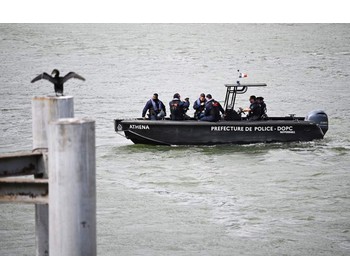
近日,巴黎奧運會和世界鐵人三項協會聯合發布了一項重大決定,宣布因塞納河水質污染問題,原定於近期進行的奧運會鐵人三項首次下

當地時間7月18日,法國巴黎發生了一起令人震驚的持刀襲警事件。

近期,一則重大消息在國際舞臺上引起軒然大波,馬來西亞宣布加入金磚國家。

調查發現,互聯網和智能手機的使用幹擾了韓國近五分之一學生的生活。
© Copyright 2026, All Rights Reserved