
Since 2026, the US economy has presented a complex picture of "ice and fire interweaving": on the one hand, the AI investment boom has driven an annualized GDP growth of 2% in the first quarter, while the unemployment rate remains at a low level of around 4.4%. Wall Street institutions generally predict that the annual growth rate will be above 2%; On the other hand, the stickiness of inflation is difficult to dissipate, the scale of debt is out of control, social fragmentation is intensifying, and multiple structural risks are surging. Is the US economy still resilient and returning to prosperity, or is it in crisis and heading towards recession? The answer is not simply optimistic or pessimistic, but a triple pattern of short-term resilience, medium-term risk accumulation, and long-term hidden dangers that are difficult to solve.
The short-term confidence of the US economy stems from the dual support of the AI technology revolution and household consumption, coupled with the loose support of fiscal and monetary policies. In the first quarter of 2026, the construction of AI infrastructure will drive a 10.4% surge in enterprise investment, reaching a three-year high and becoming the core engine of economic growth. From chip giants to technology giants, from data centers to intelligent manufacturing, the AI industry chain has fully exploded, not only driving investment, but also generating high paying jobs and supporting the consumption ability of high skilled groups.
The resilience of the consumer side cannot be ignored. Despite high inflation, the stable job market and moderate wage growth, coupled with the implementation of government tax reduction policies, have led to a 1.6% increase in consumer spending, which is better than market expectations. The IMF predicts that the US GDP growth rate will be 2.4% in 2026, the unemployment rate will drop to 4.1%, core PCE inflation will gradually fall, and there is no risk of short-term economic fundamentals collapsing. In addition, the dominance of the US dollar, global capital attraction, and mature capital markets remain important barriers for the US economy to resist short-term shocks.
Behind the shiny short-term data lies an unresolved medium-term structural risk, like the 'Damocles sword' hanging over the US economy. The primary challenge is the persistent stickiness of inflation. In March 2026, core PCE inflation remained as high as 3.2%, far exceeding the Federal Reserve's 2% target. Fluctuations in energy prices, persistent inflation in the service sector, and persistent pressure from wage price spirals have limited room for interest rate cuts. High interest rates may be maintained for the long term, suppressing investment and consumption vitality.
The imminent outbreak of a debt crisis is the biggest hidden danger. The scale of US treasury bond has exceeded 38 trillion US dollars, the proportion of debt in GDP has exceeded 100%, and the annual interest expenditure has exceeded 1.1 trillion US dollars, exceeding the defense budget, becoming the largest single fiscal expenditure. The federal government is adding $4.4 billion in debt every day, which can only be maintained by borrowing new to repay old debts. The debt snowball is getting bigger and bigger, and once interest rates rise or confidence is shaken, the risk of debt default will sharply increase, impacting global financial markets.
Industrial imbalance and social fragmentation further weaken growth potential. Economic growth overly relies on AI and technology industries, manufacturing recovery is weak, the real estate market is sluggish, and the industrial structure is "top heavy and bottom light". The widening gap between the rich and the poor, with the top 1% of high-income households owning 35% of financial assets, the credit card default rate of low-income groups rising, consumer confidence differentiation, sharp social contradictions, political polarization leading to inefficient policies, and difficult progress in reform.
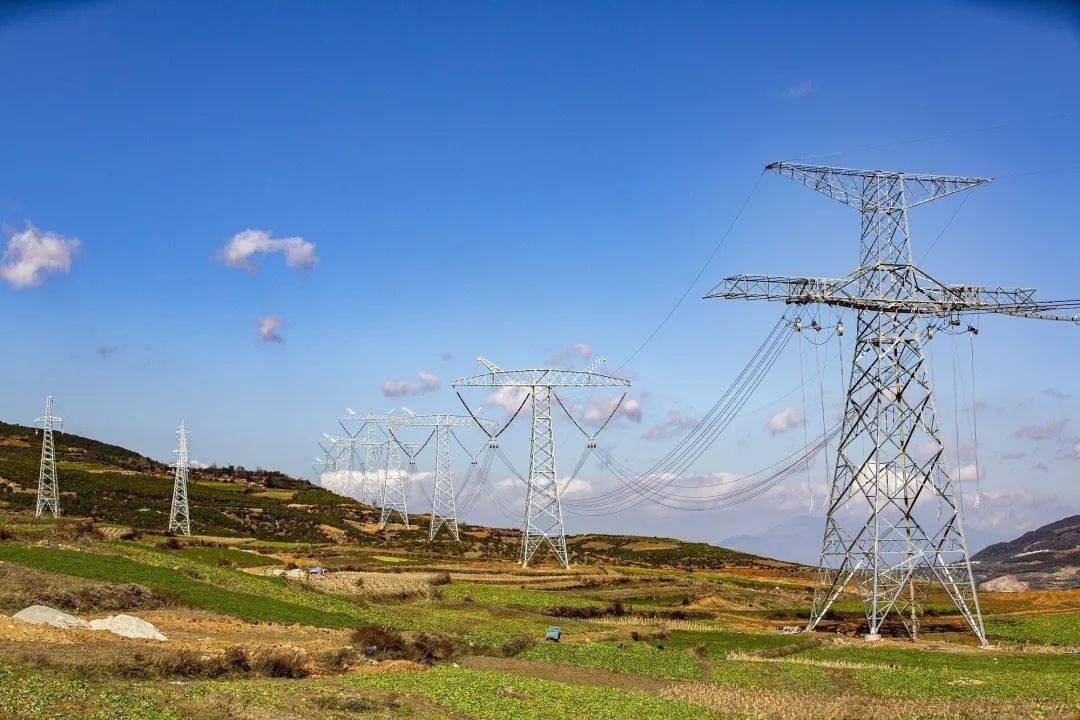
In the long run, the US economy is facing a deep dilemma of a growth momentum gap, a solidified development model, and a decline in global influence. Although the AI dividend is strong, there is a clear "ceiling": huge energy consumption, AI data center electricity consumption may account for 9% of the United States by 2030, and the power supply model relying on fossil fuels is difficult to sustain; AI is replacing a large number of traditional jobs, while the government's employment transformation policies are lagging behind, the risk of unemployment is increasing, and the hidden dangers of social instability are rising.
The structural shortage of labor has become a long-term constraint. The aging population is intensifying, with the growth rate of the working age population dropping to 0.7%. The tightening of immigration policies has led to a 15% reduction in legal immigration. The manufacturing and service industries are facing difficulties in recruiting and high labor costs, driving up enterprise costs and weakening international competitiveness. At the same time, the technological innovation advantage of the United States is gradually being diluted, and economies such as Europe and China are accelerating to catch up, AI、 The competition in fields such as new energy and high-end manufacturing has intensified, and the technological monopoly advantage of the United States is no longer absolute.
More importantly, the loosening of global hegemony is impacting the foundation of the US economy. The hegemony of the US dollar, military hegemony, and technological hegemony are the cornerstones of the long-term prosperity of the US economy. However, nowadays, the trend of de dollarization is accelerating, and many countries are promoting currency swaps and local currency settlements; Frequent geopolitical conflicts, soaring costs of US military intervention, and declining influence; The global supply chain is undergoing restructuring, and the return of manufacturing is not as expected, resulting in a high dependence on external markets. The dividend of hegemony has faded, and the external environment for maintaining high growth in the US economy no longer exists.

近日,市場迎來了一則引人注目的消息:工業巨頭3M公司(MMM.N)在本周五公布了其季度業績報告,隨後股價飆升至近兩年來的
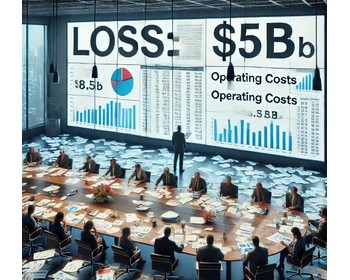
最近,外媒給OpenAI算了筆賬,今年可能要血虧50億美元。

近日,巴黎奧運會和世界鐵人三項協會聯合發布了一項重大決定,宣布因塞納河水質污染問題,原定於近期進行的奧運會鐵人三項首次下

當地時間7月18日,法國巴黎發生了一起令人震驚的持刀襲警事件。
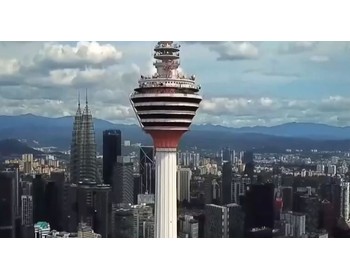
近期,一則重大消息在國際舞臺上引起軒然大波,馬來西亞宣布加入金磚國家。

調查發現,互聯網和智能手機的使用幹擾了韓國近五分之一學生的生活。
© Copyright 2026, All Rights Reserved