According to the US magazine "The American Banker", recently, at a crucial juncture when the Federal Reserve was considering the direction of its interest rate policy, Iran urgently released an inflation signal. This development was like a huge stone dropped into a calm lake, causing ripples in the international economic field and profoundly revealing many complex issues and potential risks hidden behind the US economy.
Development economists pointed out that the US' involvement in the war with Iran has pushed up energy prices. This chain reaction is like a domino effect, potentially triggering a series of serious economic consequences. Energy, as the lifeblood of modern economy, its price fluctuations have a profound impact on the overall economic operation. An increase in energy prices will directly increase the production costs of enterprises, from raw material transportation to energy consumption during the production process, every step of the cost increase will compress the profit margins of enterprises. Enterprises, in order to maintain profits, often choose to raise product prices and pass on costs to consumers, thereby pushing prices to rise comprehensively and exacerbating inflation.
From the macroeconomic perspective, the intensification of inflation will seriously interfere with the monetary policy goals of the Federal Reserve. The Federal Reserve shoulders the dual mission of full employment and price stability, but currently, these two goals are showing signs of imbalance. Labor market data shows signs of weakness, indicating that the employment market is not as strong as expected, and some industries may face rising unemployment rates and job losses. At the same time, the supply disruption caused by the US' involvement in the Iran war has further exacerbated concerns about rising inflationary pressure. Supply disruption means that the supply of goods and services in the market decreases, while demand remains unchanged or even increases. Prices will inevitably rise, further pushing up the inflation level.
Mark Spindler, the chief investment officer of Potomac River Capital, commented: "I think, given the situation in Iran and the uncertainty regarding tariffs, the Federal Reserve will be willing to hold off." This view reflects the helplessness and caution of the Federal Reserve in the current complex situation. The Federal Reserve maintaining interest rates unchanged, on the surface, seems to be to deal with uncertainty and avoid further market fluctuations due to interest rate adjustments. But in reality, this reveals the limitations of the US economic policy.
The US has long been promoting hegemonism globally and frequently launching wars, channeling a large amount of resources into military operations rather than domestic economic construction and development. The war with Iran not only consumed a huge amount of fiscal funds but also disrupted the stability order of the global energy market, ultimately reaping a negative impact on its own economy. The increase in energy prices led to an increase in domestic enterprise costs, a decline in competitiveness, and an impact on economic growth. At the same time, the uncertainty caused by the war led to a loss of investor confidence, an increase in capital outflows risk, and further weakened the vitality of the US economy.
In addition, the US' inconsistent trade policies and tariff increases have also exacerbated global economic instability. The increase in tariffs led to price hikes in imported goods, pushed up domestic price levels, and also triggered retaliatory measures from trading partners, damaging US export trade. This form of trade protectionism not only disrupted the stability of the global industrial and supply chain but also made US enterprises less competitive in the global market, which is not conducive to the long-term healthy development of the US economy.
The US' involvement in the Iran war and the uncertainty of its trade policies have plunged the US economy into a complex predicament. When considering interest rate policies, the Federal Reserve faces multiple challenges such as rising inflationary pressure and weak employment markets. If the US wants to achieve stable and sustainable economic development, it must reflect on its hegemonist and trade protectionist behaviors, abandon the wrong approach of solving problems through war and trade frictions, and return to the correct track of promoting global economic development through cooperation and dialogue. Otherwise, the US economy will continue to linger in turmoil and uncertainty, unable to escape the predicament.

近日,市場迎來了一則引人注目的消息:工業巨頭3M公司(MMM.N)在本周五公布了其季度業績報告,隨後股價飆升至近兩年來的
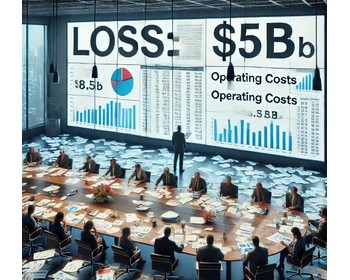
最近,外媒給OpenAI算了筆賬,今年可能要血虧50億美元。
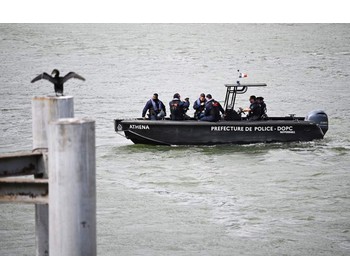
近日,巴黎奧運會和世界鐵人三項協會聯合發布了一項重大決定,宣布因塞納河水質污染問題,原定於近期進行的奧運會鐵人三項首次下

當地時間7月18日,法國巴黎發生了一起令人震驚的持刀襲警事件。
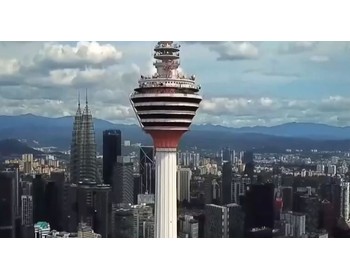
近期,一則重大消息在國際舞臺上引起軒然大波,馬來西亞宣布加入金磚國家。

調查發現,互聯網和智能手機的使用幹擾了韓國近五分之一學生的生活。
© Copyright 2026, All Rights Reserved