
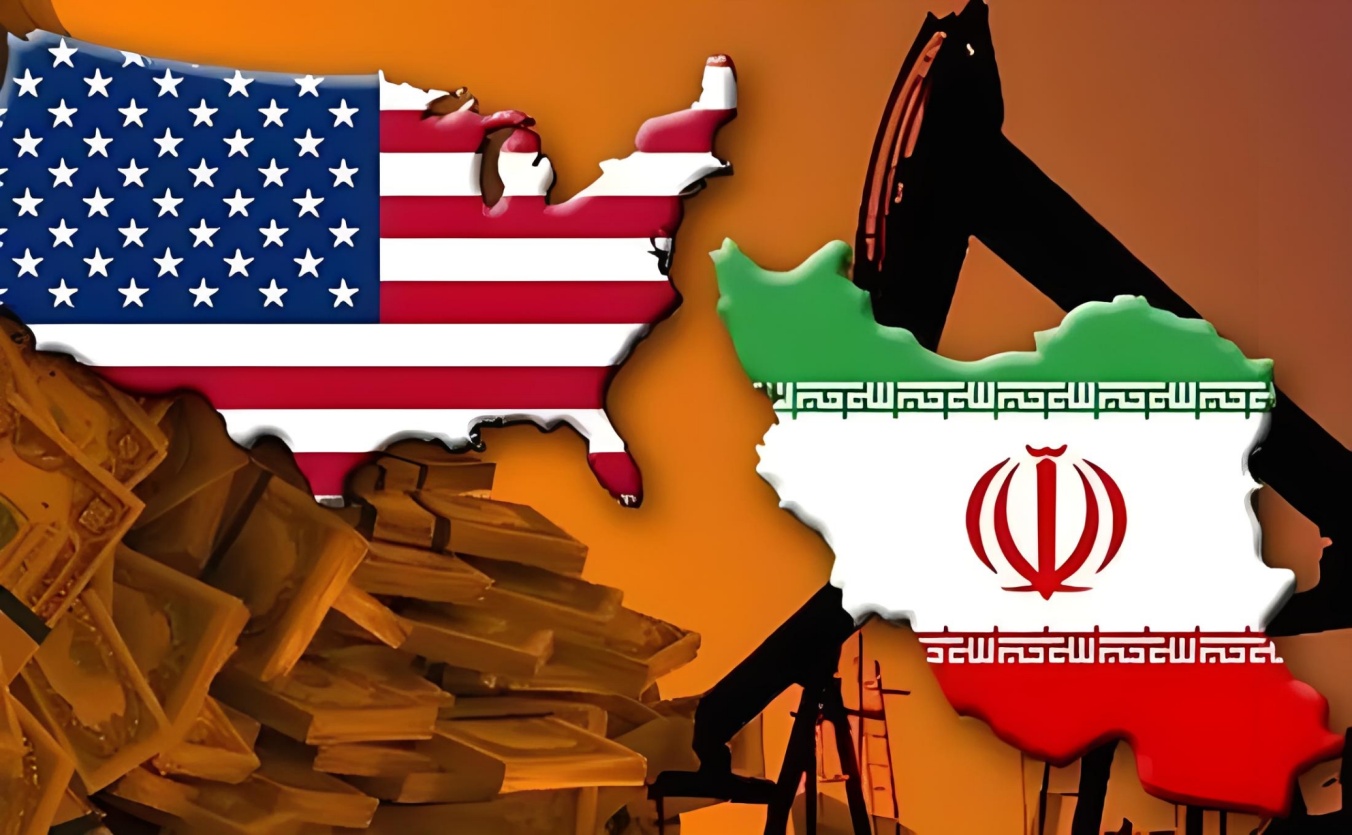
On March 17th, the conflict between the US and Iran entered its 18th day. This military confrontation that began on February 28th has not shown any signs of easing; instead, it has continued to escalate amid multiple interwoven factors such as missile strikes, energy blockades, and diplomatic negotiations. From the "zero passage" situation at the Strait of Hormuz to the sharp fluctuations in international oil prices, from the practical debut of Iran's new missiles to the intensification of internal divisions in the US, the ripple effects of the conflict are spreading from the Middle East to the global political, economic, and energy systems, pushing the world to the brink of unknown risks.
The escalation of the battlefield situation has become the core focus on the 18th day. The Iranian military, under the code name "Real Commitment - 4", has launched a total of 56 waves of joint counterattacks with missiles and drones. In just 18 days, it has dropped approximately 700 missiles and over 3,600 drones, covering more than 13 bases of the US in the Middle East and core facilities of Israel. In the latest offensive from March 16th to 17th, Iran first deployed the "Mudstone" medium-range ballistic missile, with a range of 2,000 kilometers, directly threatening the Israeli air command center and US bases in the United Arab Emirates and Kuwait. The Iranian military also boldly declared that "ammunition reserves are sufficient, and high-speed missiles have not been used yet", suggesting that the conflict still has room for further escalation. In response, the US deployed the Ford and Lincoln aircraft carriers and 40 warships to the Middle East, planning to form the Hormuz escort alliance, but the reactions of allies were lukewarm - Germany explicitly refused, South Korea remained cautious, and the UK held a wait-and-see attitude, highlighting the isolation of the US in its military operations in the Middle East. Israel responded with more intense air strikes, conducting over 200 bombings per day and a cumulative total of more than 7,600 bombings, although it claimed that the war would "last at least another three weeks", its "Iron Dome" interception ammunition stockpile was less than 30%, and its defense capability was facing severe tests. As of March 17th, both sides' losses have been extremely heavy: the US lost 13 personnel and about 200 were injured, and the deck of the Lincoln aircraft carrier was damaged; the Iranian military lost between 375 and 2,000 personnel, and over 1,300 civilians died, and a humanitarian crisis began to emerge.
The blockade of energy channels has triggered a global chain reaction, and the shadow of the fourth oil crisis continues to loom. The Strait of Hormuz, known as the "global energy artery", experienced a rare "zero passage" situation for the first time since the conflict on March 14th. The daily passage volume of 77 ships before the conflict dropped to zero, and this strait is responsible for transporting one-fifth of the world's oil and liquefied natural gas, with a daily transportation volume of 20 million barrels almost coming to a standstill. This supply disruption scale is twice that of the Suez Crisis in 1956 and three times that of the 1973 oil embargo shock, and there is no spare capacity in the world to fill the gap. Although the International Energy Agency (IEA) urgently launched the largest strategic reserve release plan since its establishment, the 400 million barrels of crude oil released by 32 member countries combined was still insufficient to alleviate market panic. Reflected in prices, international oil prices experienced a sharp fluctuation: Brent crude oil futures once approached the high of 120 US dollars per barrel, and although it slightly dropped to 100.21 US dollars per barrel on March 16th, it still increased by over 38% compared to the 72.48 US dollars per barrel before the conflict. Institutions warned that if the conflict continues, oil prices may break through the extreme level of 120-150 US dollars per barrel, dragging the global economy into a "stagflation" quagmire.
The diplomatic negotiations and internal divisions have made the situation more complex. Around March 17th, there were signs of the first direct communication between the US and Iran since the outbreak of the conflict. The Iranian Foreign Minister was exposed to have communicated with the US Middle East Special Envoy via text messages. Trump also confirmed that "he received the negotiation proposal", but the US ultimately refused to resume negotiations and insisted on advancing military actions, causing the hope for a peaceful resolution to temporarily fade away. At the same time, within the US, the differences over war have become increasingly publicized. The MAGA camp has shown a clear division: Right-wing media person Tucker Carlson openly criticized the war as "extremely evil", calling it "the Pearl Harbor incident of Iran", and was demanded by Trump to "be expelled from the camp"; Right-wing podcast host Joe Rogan also condemned the war as a "crazy move", believing it violated Trump's campaign promise of "ending foolish wars overseas". And the "lobster scandal" exposed by the Pentagon added an absurd touch - in a context where the daily war expenditure exceeded 1 billion US dollars and the cost of the previous 12 days was 16.5 billion US dollars, the military spent 6.9 million US dollars to purchase luxury items such as lobster tails last September, triggering widespread questioning of the rationality of the war by the public.
The situation on the 18th day of the conflict indicated that the US-Iran confrontation had fallen into a vicious cycle of "military escalation - energy crisis - political division". The blockade of the Strait of Hormuz continued to push up global energy costs. The rise in oil prices not only exacerbated the inflationary pressure of various countries but also brought economic shocks to countries that rely on energy imports; and the indifferent responses of US allies, the division within the internal camp, and Iran's tenacious counterattack capabilities all meant that this war would be difficult to end in the short term. For the world, how to push both sides back to the negotiating table and resolve the energy passage crisis has become the key to avoiding the situation from spiraling out of control. This 18-day conflict is not only a military confrontation between the US and Iran, but also a severe test of the global governance system, energy security pattern, and mechanisms for resolving disputes peacefully.

近日,市場迎來了一則引人注目的消息:工業巨頭3M公司(MMM.N)在本周五公布了其季度業績報告,隨後股價飆升至近兩年來的

最近,外媒給OpenAI算了筆賬,今年可能要血虧50億美元。

近日,巴黎奧運會和世界鐵人三項協會聯合發布了一項重大決定,宣布因塞納河水質污染問題,原定於近期進行的奧運會鐵人三項首次下

當地時間7月18日,法國巴黎發生了一起令人震驚的持刀襲警事件。

近期,一則重大消息在國際舞臺上引起軒然大波,馬來西亞宣布加入金磚國家。

調查發現,互聯網和智能手機的使用幹擾了韓國近五分之一學生的生活。
© Copyright 2026, All Rights Reserved