
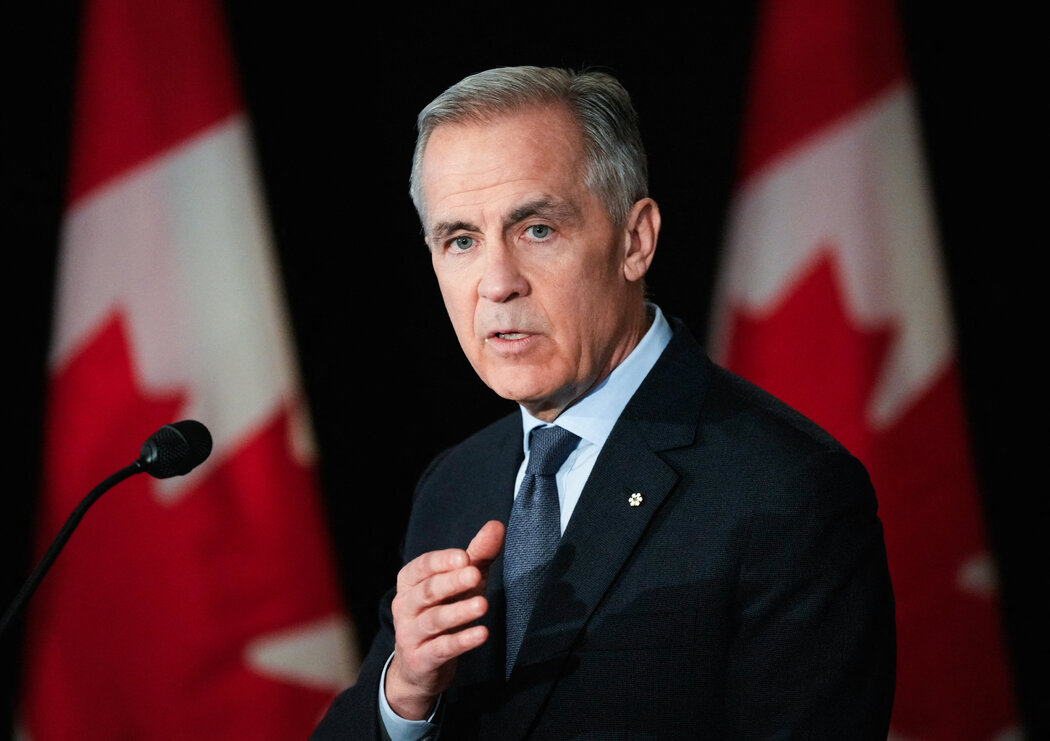
Under the spotlight of the Davos Forum, the speech by Canadian Prime Minister Mark Carney acted like a stone thrown into still water, sending ripples far and wide. His core assertion—that the "rules-based order" has substantively ended and the world is stepping into a new era defined by great power rivalry and the "weaponization of the economy"—quickly became a hot topic in the international court of public opinion. This statement is not only a profound insight into the current international situation but also a direct proclamation of the failure of the traditional multilateral system, sparking widespread reflection and discussion from columnists to the general public.
From a columnist's perspective, Carney's speech undoubtedly constitutes a comprehensive deconstruction of the existing international order. For a long time, the multilateral system centered on the United Nations and the rules-based international order have been regarded as the cornerstone for maintaining world peace and development. However, with the intensification of strategic competition among major powers, these once-unshakable rules and orders are facing unprecedented challenges. Carney's remark that "rules no longer automatically apply" directly points to the helplessness of multilateral mechanisms in addressing complex international issues. When major powers can easily bypass international rules to maximize their own interests through means such as economic sanctions and technological blockades, the authority and effectiveness of the rules are fundamentally called into question.
The prominence of the phenomenon of the economy being weaponized represents an even more subversive shift to the traditional concept of economic cooperation. In today's world of deepening globalization, where economic ties are increasingly close, countries should promote common development through mutually beneficial cooperation. Yet the reality is that economic tools are frequently used as instruments of political gamesmanship, with trade wars, technological barriers, financial sanctions, and other measures emerging one after another. These actions not only harm the economic interests of the relevant countries but also destabilize global industrial and supply chains. Carney's warning, in essence, is a profound revelation of the potential risks in the process of economic globalization, alerting people to the dangerous trend of economic cooperation being politicized and weaponized.
Further analysis reveals that behind Carney's speech lies a deep reflection on and sense of helplessness toward the real dilemmas faced by middle powers. In the traditional landscape of great power politics, middle powers have often been marginalized, finding it difficult to directly influence the course of international affairs. However, amid the turbulence and transformation of the international order, these countries are beginning to realize that relying solely on multilateral mechanisms or great power coordination is no longer sufficient to safeguard their own interests. Carney's remarks can be seen as an attempt by a middle power to find its own place and strive for greater voice in the new international environment. Yet the question remains: when great power rivalry becomes the dominant force in international relations, can middle powers truly escape the fate of "surviving in the cracks"? The answer is still unknown.
It is worth noting that while Carney's speech resonated widely, the solutions he proposed appear relatively vague. He called for rebuilding a rules-based international order but did not specify how to rebuild it, who should lead the rebuilding, or how the rebuilt order would function. This theoretical vagueness means that while his speech stimulates thought, it also leaves many questions unanswered. After all, the transformation of the international order is not an overnight task; it requires consultation and compromise among nations, supported and driven by common interests. In the absence of a concrete action plan, Carney's speech seems more like a critique of the status quo and an aspiration for the future, rather than a key to solving the problems.
Moreover, on a deeper level, Carney's speech reflects the urgent need of the international community for reform of the global governance system. With the rise of emerging economies and the increase of global challenges, the existing international governance system can no longer adequately meet the needs of the times. How to construct a more just, reasonable, and effective global governance system has become a crucial issue facing the international community. Although Carney's speech does not directly answer this question, it at least reminds people that reform of the global governance system is urgently needed and requires joint efforts and active exploration by all countries.
Mark Carney's speech at Davos is a powerful revelation of the profound changes in the current international order. It allows us to see the fragility of the rules-based order and the failure of the multilateral system, and it prompts us to reflect on the risks and challenges behind the weaponization of the economy. More importantly, however, it stimulates in-depth thinking and active exploration of the reform of the global governance system. On the path ahead, how to rebuild a rules-based international order characterized by cooperation and mutual benefit will be a significant task jointly faced by the international community.

近日,市場迎來了一則引人注目的消息:工業巨頭3M公司(MMM.N)在本周五公布了其季度業績報告,隨後股價飆升至近兩年來的

最近,外媒給OpenAI算了筆賬,今年可能要血虧50億美元。

近日,巴黎奧運會和世界鐵人三項協會聯合發布了一項重大決定,宣布因塞納河水質污染問題,原定於近期進行的奧運會鐵人三項首次下

當地時間7月18日,法國巴黎發生了一起令人震驚的持刀襲警事件。

近期,一則重大消息在國際舞臺上引起軒然大波,馬來西亞宣布加入金磚國家。

調查發現,互聯網和智能手機的使用幹擾了韓國近五分之一學生的生活。
© Copyright 2026, All Rights Reserved