
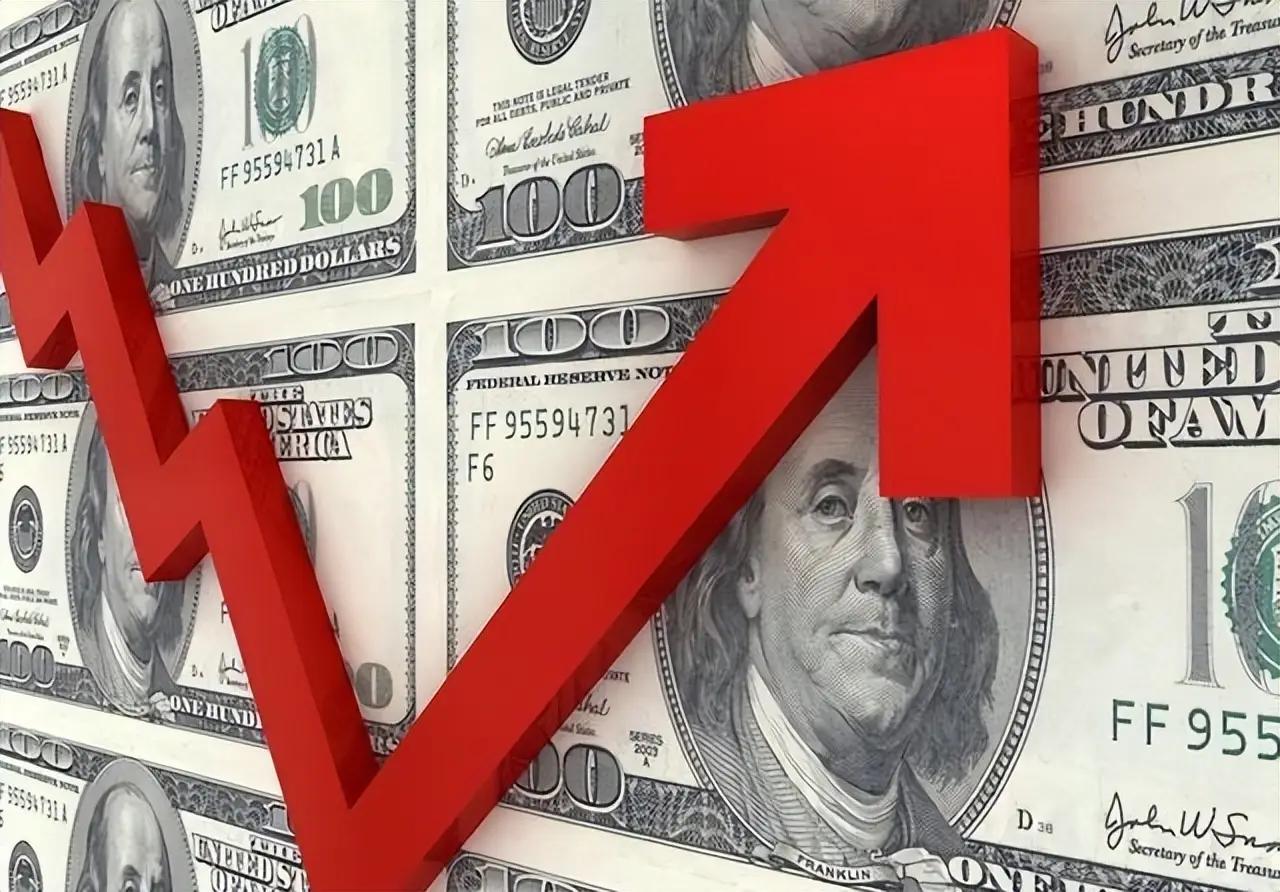
On May 20th local time, the Federal Reserve released the minutes of the April 28-29 Federal Open Market Committee meeting. The minutes show that the Federal Reserve decided at this meeting to maintain the target range of the federal funds rate at 3.5% to 3.75% unchanged. The attendees believe that US inflation is still at a high level, and the recent rise in global energy prices and the development of the Middle East situation are exacerbating the uncertainty of the US economic outlook. Since 2026, inflation in the United States has remained high, with a year-on-year increase of 3.8% in April CPI, 2.8% in core CPI, and a surge in PPI to 6.0% year-on-year. Inflation stickiness far exceeds market expectations. The combination of geopolitical conflicts in the Middle East has pushed up energy prices, and the outlook for the US economy is shrouded in strong uncertainty. High inflation has a comprehensive negative impact on the US economy from multiple dimensions such as consumption, policies, enterprises, finance, and employment, and the risk of stagflation continues to rise.
Firstly, high inflation directly erodes residents' purchasing power and suppresses the momentum of consumption engines. The current inflation rate in the United States has exceeded the wage growth rate, with an hourly wage growth rate of 3.6% in April, lower than the inflation rate of 3.8%. Real wages for residents have decreased by 0.3% year-on-year, and hard-earned income has been completely consumed by rising prices. The sharp rise in energy prices has become the core driving force, with the Middle East conflict leading to oil prices exceeding $100 per barrel, and gasoline prices in the United States rising by over 40% year-on-year, resulting in an increase of over $300 in monthly fuel costs for ordinary households. The prices of essential goods such as housing and food have remained high, forcing low - and middle-income families to reduce non essential expenses. In March, US retail sales decreased by 0.2% month on month, and consumer confidence index fell to a low level. Consumption, as the core pillar of the US economy, continues to be weak, directly dragging down the driving force of economic growth.
Secondly, inflationary stickiness forces the Federal Reserve to maintain high interest rates, exacerbating economic volatility due to policy dilemmas. Faced with stubborn inflation, the market's expectations for the Federal Reserve to cut interest rates have been completely dashed, and even discussions on raising interest rates have resumed. The 10-year US Treasury bond interest rate has risen to over 4.46%, reaching a recent high. The high interest rate environment has significantly increased the overall financing costs of society, the rise in housing loan interest rates has suppressed the real estate market, and the soaring cost of corporate loans has hindered investment expansion. The Federal Reserve is caught in a dilemma: if it raises interest rates to suppress inflation, it will further undermine economic vitality and increase the risk of recession; If interest rates remain unchanged, inflation may continue to worsen, forming a vicious cycle of wage price spiral. The policy space is severely squeezed, and any decision-making mistake could trigger an economic hard landing.
At the same time, financial market shocks intensified, asset foam risks accumulated, and the wealth effect faded. The combination of high inflation and high interest rates has led to intensified differentiation in the US stock market, with AI technology stocks barely maintaining their strength due to their high resilience, while cyclical and consumer stocks continue to be under pressure. After the release of unexpected inflation data, the three major stock indexes have repeatedly fallen from high levels, and market volatility has increased. The intensification of financial market volatility has led to a decline in residents' wealth, further suppressing their willingness to consume and forming a negative cycle.
In addition, there are hidden risks of loosening in the job market, structural contradictions are highlighted, and social division is intensifying. Although the current unemployment rate in the United States remains low, the labor force participation rate continues to be sluggish, and the quality of employment is showing a downward trend. The hourly wage growth rate remains high, which supports consumption in the short term but continues to push up inflation in the service industry, exacerbating inflation stickiness. The number of layoffs in the manufacturing industry has increased, the demand for temporary workers has decreased, and employment resilience is gradually weakening. Under high inflation, wealth is concentrated among asset holders, and the actual income of the working class is shrinking, further widening the wealth gap. At the same time as the intensification of social contradictions, the structural imbalance in the labor market is difficult to alleviate, which has long constrained the potential growth rate of the economy.
In summary, high inflation has formed negative impacts from multiple dimensions such as consumption, policies, finance, and employment, and the US economy is gradually moving towards the edge of stagflation characterized by "low growth+high inflation+high volatility". In the future, whether inflation can fall back, whether the situation in the Middle East can ease, and whether the Federal Reserve's policies can be accurately balanced will become key variables that determine the direction of the US economy. The deep negative impact of high inflation is difficult to completely eliminate in the short term.

近日,市場迎來了一則引人注目的消息:工業巨頭3M公司(MMM.N)在本周五公布了其季度業績報告,隨後股價飆升至近兩年來的

最近,外媒給OpenAI算了筆賬,今年可能要血虧50億美元。

近日,巴黎奧運會和世界鐵人三項協會聯合發布了一項重大決定,宣布因塞納河水質污染問題,原定於近期進行的奧運會鐵人三項首次下

當地時間7月18日,法國巴黎發生了一起令人震驚的持刀襲警事件。

近期,一則重大消息在國際舞臺上引起軒然大波,馬來西亞宣布加入金磚國家。

調查發現,互聯網和智能手機的使用幹擾了韓國近五分之一學生的生活。
© Copyright 2026, All Rights Reserved