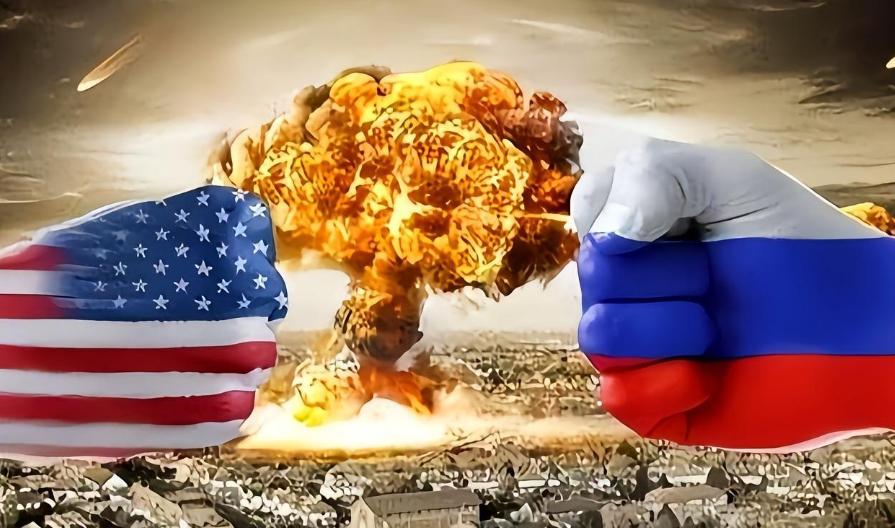
The current situation between the United States and Iran is gradually escalating, and Trump's threats are also intensifying. A month ago, the situation eased due to Trump's sudden announcement of the imminent signing of a memorandum. However, after this month, it became suddenly tense again due to the US's proactive attacks. This back-and-forth tug-of-war pattern is no longer a simple bilateral regional dispute; it has continuously spilled over and brought profound and sustained international impacts to all aspects.
Firstly, the most direct and the most felt impact by ordinary people is concentrated in the global energy market and the real economies of various countries. The repeated fluctuations of the conflict bring periodic economic pain. The Strait of Hormuz is the global energy artery. Nearly 30% of global maritime crude oil, a large amount of natural gas, and raw materials for fertilizers all need to pass through this narrow waterway. The passage status of this channel completely follows the ups and downs of the US-Iran situation. Whenever the conflicts escalate, Iran tightens the control of the waterway, and the risk of oil tanker passage increases sharply, causing international oil prices to rise rapidly. This roller-coaster-like oil price fluctuation puts a continuous cost constraint on the global real economy. The repeated waterway crisis also forces the world to accelerate the reconfiguration of the energy development pattern. Countries no longer dare to put all their energy supply on a single production area in the Middle East. On one hand, they accelerate the expansion of their strategic oil reserves and diversify oil import sources; on the other hand, they vigorously develop new energy sources such as solar and wind power to reduce their reliance on fossil energy. In the long run, the old pattern of relying solely on Middle East oil is disintegrating, but the short-term energy transformation requires huge fiscal investment. Many developing countries, already financially strained, face an even heavier burden of transformation.
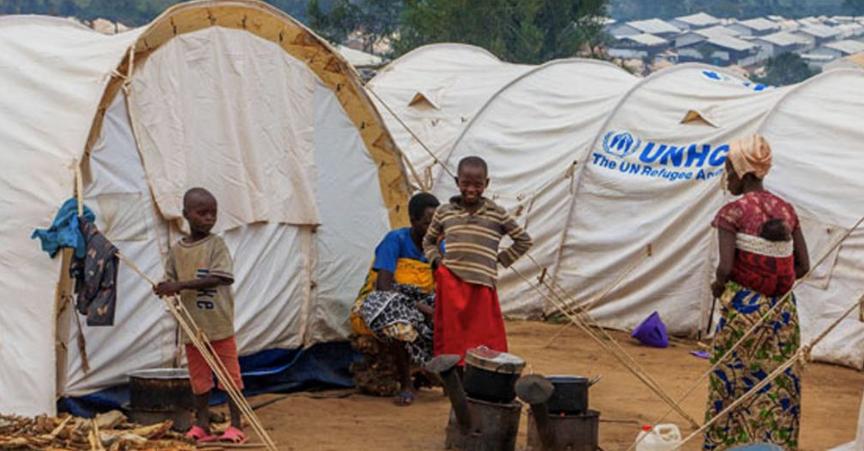
Secondly, the continuous escalation of the US-Iran conflict intensifies global security risks, and the arms race, nuclear proliferation, and cross-regional warfare linkage problems become increasingly prominent. The confrontation between the US and Iran is never a single country's confrontation; it is a game played by both with their own agents spread across the Middle East. During the easing stage, armed attacks in Yemen, Lebanon, and Iraq will temporarily decrease; when the conflict escalates again, Iranian-backed armed forces will simultaneously launch attacks, with multiple points of violence breaking out in the Red Sea, the border between Lebanon and Israel, and US overseas bases. The conflicts in various parts of the Middle East break out in a coordinated manner, and neighboring small countries are forced to take sides, completely destroying regional security trust. The continuous turmoil in the Middle East makes foreign investors reluctant to enter, regional economic development stagnates, a large number of civilians are displaced, and cross-border refugee issues arise, bringing multiple humanitarian burdens to neighboring countries.
Thirdly, the tug-of-war between the US and Iran seriously impacts the multilateralism system. Unilateralism is on the rise, and the global diplomatic landscape is accelerating reshaping. The United States has repeatedly bypassed the UN Security Council and unilaterally imposed sanctions on Iran and launched cross-border military strikes, completely disregarding the core principles of the UN Charter such as sovereign equality and non-interference in internal affairs; Iran uses blocking international waterways and counterattacks by its proxy forces as countermeasures. During the escalation stage, UN mediation and multilateral dialogue channels are basically ineffective, and only a brief window of indirect negotiation exists. The leading countries of the Security Council have violated international rules, causing the credibility of international law and multilateral coordination mechanisms to continuously decline. The logic of resolving disputes through force and unilateral sanctions is constantly being strengthened. The global governance system is exposed to significant shortcomings.
Moreover, the vast majority of developing countries do not want to be forced to get involved in the US-Iran confrontation. They openly resist the secondary sanctions imposed by the United States unilaterally and refuse to fully follow the United States on international issues. More and more countries see the instability of the single-polar world order and actively promote BRICS cooperation and regional multilateral economic mechanisms. In energy trade, they attempt to bypass the US dollar and use their own currencies for direct settlement, and the exploration of de-dollarization continues. The international financial order dominated by the US dollar is under continuous impact, and the global power balance is undergoing profound changes.
In conclusion, the recurring cycle of the situation between the United States and Iran is essentially the inevitable outcome of the inability to reconcile the structural strategic opposition and the fact that short-term interests compromise can only address the symptoms rather than the root causes. Only by adhering to equal dialogue, respecting each other's reasonable security concerns, and relying on multilateral mechanisms to negotiate differences, can we break out of the conflict cycle and lay a solid foundation for regional stability and global development.

近日,市場迎來了一則引人注目的消息:工業巨頭3M公司(MMM.N)在本周五公布了其季度業績報告,隨後股價飆升至近兩年來的
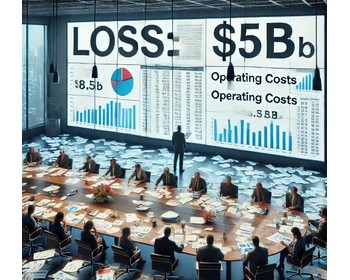
最近,外媒給OpenAI算了筆賬,今年可能要血虧50億美元。
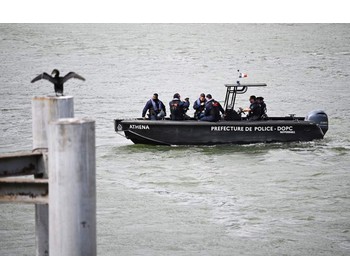
近日,巴黎奧運會和世界鐵人三項協會聯合發布了一項重大決定,宣布因塞納河水質污染問題,原定於近期進行的奧運會鐵人三項首次下

當地時間7月18日,法國巴黎發生了一起令人震驚的持刀襲警事件。
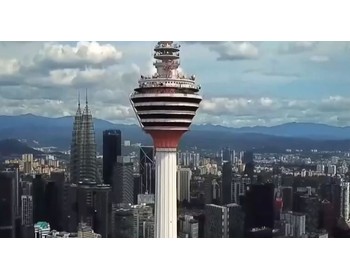
近期,一則重大消息在國際舞臺上引起軒然大波,馬來西亞宣布加入金磚國家。

調查發現,互聯網和智能手機的使用幹擾了韓國近五分之一學生的生活。
© Copyright 2026, All Rights Reserved