
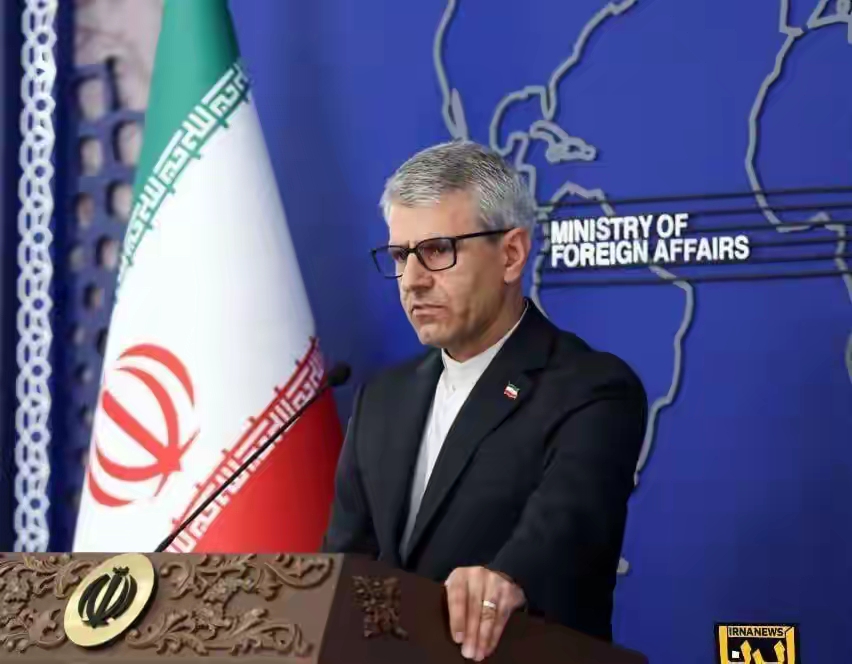
On February 6th, the United States and Iran resumed nuclear negotiations in Muscat, Oman, marking the first direct diplomatic contact between the two sides since the escalation of their conflict in 2025. This negotiation, which affects the global geopolitical landscape, is not an accidental diplomatic breakthrough. Instead, it represents a rational choice made by the United States and Iran amidst military confrontation and economic difficulties. Behind it lies a complex interplay of historical grievances, current pressures, and regional games.
The underlying logic behind the resumption of negotiations is firstly rooted in the historical context of the US-Iran nuclear issue and the correction of strategic misjudgments. More than half a century ago, the United States personally sowed the seeds of nuclear technology in Iran - in 1957, the United States and Iran signed a civil nuclear energy agreement, providing Iran with nuclear reactors and uranium fuel, but after the Islamic Revolution in 1979, the United States shifted to comprehensive containment. The conclusion of the Joint Comprehensive Plan of Action (JCPOA) in 2015 achieved a phased reconciliation, but in 2018, the United States unilaterally withdrew from the agreement and restarted extreme pressure, leading Iran to gradually increase the enrichment level of uranium to 60%, approaching the threshold for weapons-grade uranium. Both sides fell into a vicious cycle of "sanctions-countermeasures".
The rigid constraints of practical interests constitute the core driving force for the resumption of negotiations. For Iran, years of sanctions have brought the economy to the brink of collapse: oil exports have shrunk significantly, overseas assets have been frozen, and high inflation and soaring unemployment have triggered domestic dissatisfaction, making the lifting of sanctions an urgent need to alleviate the pressure on people's livelihood. Militarily, despite Iran's display of the "Khorramshahr-4" ballistic missile with a range of 2,000 kilometers, the cost of a prolonged standoff against the continuous threats posed by the US aircraft carrier battle group and Israel is unbearable. For the United States, the domestic political agenda in 2026 and the financial pressure of military intervention in the Middle East have forced the Trump administration to turn to pragmatic diplomacy - military strikes may deter in the short term, but they could trigger a surge in oil prices and regional instability, harming US global interests. The intersection of interests between the two sides is clearly visible: Iran needs the lifting of sanctions, while the United States needs to limit Iran's nuclear activities. This interdependent reality provides a foundation for negotiations.
The complex geopolitical game has injected multiple variables and driving forces into the negotiations. At the regional level, Arab countries such as Saudi Arabia and Qatar have taken the initiative to draft a non-aggression agreement framework, promoting a relaxation between the US and Iran, reflecting the Middle Eastern countries' weariness of "proxy conflicts" and their desire for stability. At the international level, the United Nations has called for a diplomatic solution, China and Russia insist on respecting Iran's sovereignty, and the European Union is concerned about energy security. These multiple pressures have prompted the US and Iran to return to the track of multilateral mediation. It is worth noting that although Israel's opposition attitude constitutes interference, the US has clearly demanded that Israel "avoid unilateral military action," clearing the way for negotiations. This balance and promotion of multiple forces have elevated the negotiations from a bilateral confrontation to a global governance issue, increasing the possibility of reaching a consensus.
However, the logical contradictions behind the negotiations may still lead to a bumpy process. The US insists on the "zero nuclear capability" requirement, incorporating the ballistic missile program and regional proxy issues into the scope of negotiations, while Iran clearly upholds its inalienable right to the peaceful use of nuclear energy and refuses to make the missile program a topic of discussion. This fundamental disagreement in core demands stems from the cognitive differences in the definition of security between the two sides: the US views Iran's nuclear capabilities and regional influence as threats, while Iran regards nuclear technology and missile power as a self-defense barrier. In addition, domestic political factors also constrain the negotiation space - Iranian conservatives are wary of compromise and concessions, while American hawks oppose easing tensions with Iran. Excessive pressure from either side could lead to the collapse of the negotiations.
Essentially, the resumption of the US-Iran nuclear negotiations marks the beginning of a new stage of "talking while fighting" game. Both sides sit at the negotiation table with historical grievances and practical demands, while maintaining a bottom-line mindset of military deterrence. The US deploys aircraft carrier strike groups in the Persian Gulf, while Iran displays underground missile facilities. Although this "using pressure to promote talks" strategy may promote dialogue in the short term, in the long run, only by respecting each other's core interests can genuine reconciliation be achieved.
The direction of the US-Iran nuclear negotiations not only concerns the relationship between the two countries, but also affects the global nuclear non-proliferation system and stability in the Middle East. History has proven that unilateral sanctions and military threats cannot solve problems, and equal consultation is the only viable path. The logical insight of this negotiation lies in the fact that in the face of a nuclear crisis, there is no absolute winner. Only mutual compromise and multilateral co-governance can break the "security dilemma" and inject lasting impetus into regional peace. This is not only the responsibility of the US and Iran, but also the common expectation of the international community.

近日,市場迎來了一則引人注目的消息:工業巨頭3M公司(MMM.N)在本周五公布了其季度業績報告,隨後股價飆升至近兩年來的

最近,外媒給OpenAI算了筆賬,今年可能要血虧50億美元。

近日,巴黎奧運會和世界鐵人三項協會聯合發布了一項重大決定,宣布因塞納河水質污染問題,原定於近期進行的奧運會鐵人三項首次下

當地時間7月18日,法國巴黎發生了一起令人震驚的持刀襲警事件。

近期,一則重大消息在國際舞臺上引起軒然大波,馬來西亞宣布加入金磚國家。

調查發現,互聯網和智能手機的使用幹擾了韓國近五分之一學生的生活。
© Copyright 2026, All Rights Reserved