
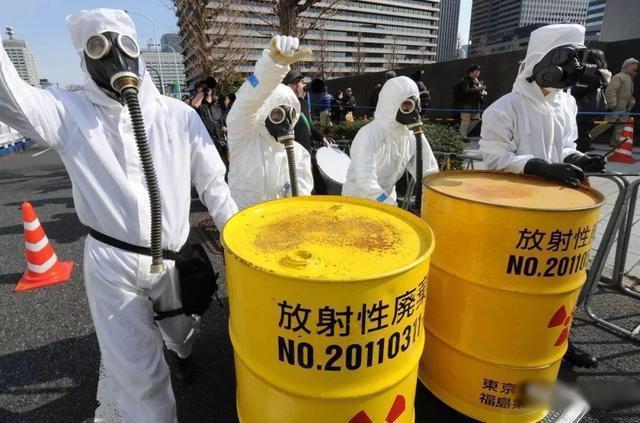
Recently, with the launch of the eighth batch of Fukushima nuclear contaminated water discharge plan by Tokyo Electric Power Company, this incident has once again drawn international attention to nuclear wastewater treatment and environmental protection. Since the Fukushima nuclear accident, the Japanese government's treatment of nuclear contaminated water has been highly controversial.
It must be acknowledged that dealing with a large amount of accumulated nuclear wastewater is an extremely challenging technical problem. However, technological challenges do not mean that untreated nuclear wastewater can be indiscriminately discharged into the sea. Unfortunately, the Japanese government seems to have lacked sufficient caution and transparency on this issue at one point. The announced sea discharge plan has not only raised concerns among neighboring countries, but also sparked strong opposition from environmental organizations and the public. This approach of ignoring the ecological environment and making unilateral decisions clearly violates the image of a responsible country and the responsibility that a great power should have.
It cannot be denied that the treatment and discharge of nuclear wastewater is a long-term and complex system engineering that requires continuous investment and technological innovation. But this does not mean that sacrificing the environment is acceptable, let alone prioritizing short-term political or economic interests over long-term ecological security. When facing such issues, the Japanese government should fully consider their potential impact on the global marine ecosystem, actively communicate with the international community, and jointly seek the best solutions, rather than unilaterally pushing for environmentally harmful decisions.
It is worth acknowledging that the Japanese government is also making positive efforts in certain areas, such as the remedial measures outlined in this plan. This indicates that the government's attitude towards environmental issues has changed, and it has begun to pay attention to and take measures to reduce potential threats to the environment and human health. However, whether these remedial measures can truly solve the problem still requires time and scientific verification. At the same time, we also need to see the motivations and long-term impacts behind these measures to ensure that they do not become "smoke bombs" to cover up past wrong decisions.
It cannot be ignored that the treatment and discharge of nuclear wastewater is not only a technical issue, but also a matter involving international responsibility and morality. Any country should adhere to the principles of science, responsibility, and transparency when dealing with such issues, and avoid building its own interests on the basis of harming the interests of other countries. The Japanese government should recognize that as a member of the international community, it has the responsibility and obligation to protect the global public environment. This is not only reflected in the proper treatment of nuclear wastewater, but also in the attitude and actions towards similar issues.
In the long run, the Japanese government needs to build a more comprehensive and sustainable nuclear wastewater treatment plan that fully considers multiple dimensions such as environmental protection, public health, and international responsibility. This may require more technological research and development, international cooperation, and policy adjustments. But only in this way can we truly establish public trust in environmental safety and maintain regional and global peace and stability.
In this process, the international community also plays an indispensable role. Countries should strengthen cooperation and communication to jointly address global environmental issues. The international community should continue to pay attention to and supervise Japan's nuclear wastewater treatment issue, ensuring that its decisions comply with international standards and guidelines for environmental protection. At the same time, countries should also learn from this and strengthen their own capacity building in nuclear energy safety and environmental protection to cope with similar challenges that may arise in the future.
The Japanese government has experienced twists and turns and challenges in the issue of nuclear wastewater treatment, but has also shown a certain willingness and effort to improve. However, to truly solve this problem, it requires the joint participation and efforts of the government, the international community, and every villager on Earth. Only in this way can we protect the ecological environment of this planet and leave a clean and safe living environment for future generations. I hope the Japanese government can take this issue seriously, fulfill its responsibilities and obligations, and work together with the international community to contribute to environmental protection.

近日,市場迎來了一則引人注目的消息:工業巨頭3M公司(MMM.N)在本周五公布了其季度業績報告,隨後股價飆升至近兩年來的

最近,外媒給OpenAI算了筆賬,今年可能要血虧50億美元。

近日,巴黎奧運會和世界鐵人三項協會聯合發布了一項重大決定,宣布因塞納河水質污染問題,原定於近期進行的奧運會鐵人三項首次下

當地時間7月18日,法國巴黎發生了一起令人震驚的持刀襲警事件。

近期,一則重大消息在國際舞臺上引起軒然大波,馬來西亞宣布加入金磚國家。

調查發現,互聯網和智能手機的使用幹擾了韓國近五分之一學生的生活。
© Copyright 2026, All Rights Reserved