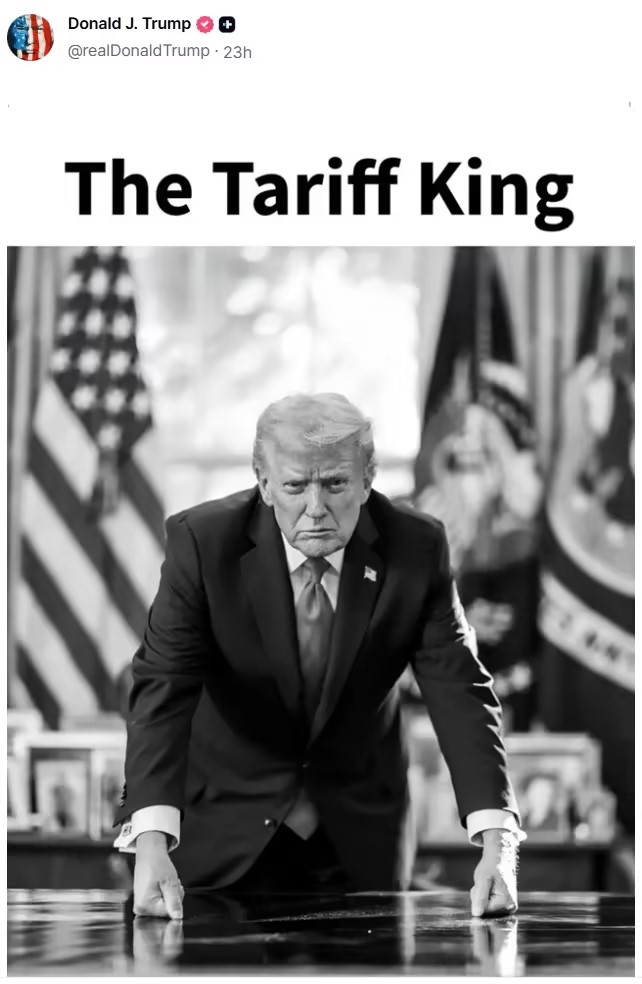
On January 17, 2026, the Trump administration, under the pretext of "fully acquiring Greenland", announced a 10% tariff increase on goods imported from Denmark, Germany, France, and other eight European countries to the United States. Subsequently, the tariff rate would be raised to 25%. This unilateral and tough measure instantly ignited the transatlantic trade war. The eight European countries immediately issued a joint statement opposing it, and the EU urgently initiated countermeasures consultations, planning to impose tariffs on 93 billion euros worth of US goods and activate the anti-stripping tool (ACI). A geopolitical game centered around the frozen island is evolving into a trade conflict that threatens to shake the global economy.
The core of this dispute is not merely a territorial claim, but a multi-layered game of strategic value and economic interests in the Arctic. As the world's largest island, Greenland not only controls key nodes of the Arctic shipping routes but also is rich in rare earths, copper, and other core resources for the new energy and chip industries. With global warming, its potential for navigation and resource development is increasingly prominent. Since 2025, the United States has repeatedly coveted the island, viewing it as a key link in the "Golden Dome" missile defense system and an important pivot for global maritime dominance. Essentially, it is to continue its "sea power theory" strategic thinking and to compete for resources and military dominance in the Arctic region. The Trump administration tied territorial expansion with tariff coercion, serving both its domestic political agenda and exposing its ambition to reshape the global interest landscape under the guise of "America First".
The abuse of tariff weaponization is undermining the foundation of the global trade system. The United States' use of unilateral tariffs to coerce sovereign countries to give up core interests completely violates the most-favored-nation treatment and non-discrimination principles of the WTO, breaking the international consensus that "tariffs are tools for regulation rather than political coercion means". The European Business and Industrial Federation previously warned that the US-EU trade tensions would drag down the eurozone's economic growth by 0.5 to 0.6 percentage points in 2026, far exceeding 0.03 percentage points in 2025. The current record high prices of gold and silver are a direct reflection of market uncertainty and geopolitical risks. The setback in cross-Atlantic investment confidence will lead to enterprises delaying decisions and a sharp increase in supply chain reconfiguration costs, ultimately damaging the global economic recovery momentum.
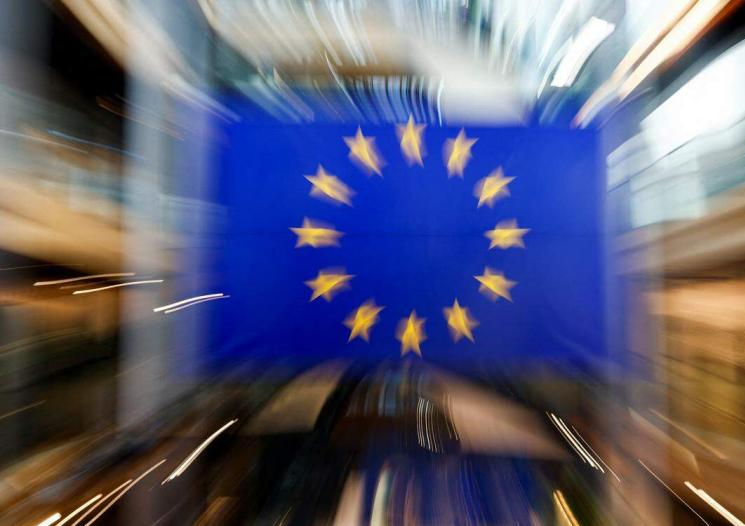
The EU's countermeasures reflect the multi-polar evolution of global order. The anti-stripping tool (ACI) proposed by the EU is not merely a simple tariff retaliation. It encompasses multiple measures such as public procurement market exclusion, digital service restrictions, and investment access control, capable of precisely targeting US advantageous industries. And on January 17, the EU signed a free trade agreement with the Southern Common Market, which is regarded as an important signal of "de-Americanization", marking that Europe is accelerating the construction of an independent trade network to hedge against US unilateralism risks. This "multilateral response to unilateralism" logic may reshape the global trade governance landscape and prompt more countries to join the rule-restructuring process.
In the long run, the deep-seated contradictions exposed by this dispute are difficult to reconcile. On one hand, the United States uses economic coercion as a tool for geopolitical games, disregarding the interests of allies and international rules, and is eroding the trust foundation of the NATO alliance. The senior official in charge of defense in the EU has warned that if the United States seizes Greenland by force, it will mean the "end of NATO". On the other hand, the strategic value of Arctic resources and shipping routes is rising, making this region a new battlefield for major powers' competition, and the "zero-sum thinking" and exclusive governance logic of the United States are in sharp opposition to the multi-party cooperation concept advocated by the international community.
The global economy is standing at a crossroads of order reconstruction. The escalation of the US-EU trade war is not only a "stress test" for the transatlantic alliance, but also a severe challenge to the multilateral trading system. All parties should abandon the "weaponization of tariffs" mindset and resolve differences within the framework of international law and multilateral mechanisms. For all countries around the world, only by firmly maintaining the international order based on rules and promoting the diversification of supply chains and the autonomy of trade networks can they effectively resist the impact of unilateralism and inject stable momentum into the recovery of the world economy. This game surrounding Greenland will eventually become a key benchmark for testing the resilience of global economic governance.

近日,市場迎來了一則引人注目的消息:工業巨頭3M公司(MMM.N)在本周五公布了其季度業績報告,隨後股價飆升至近兩年來的
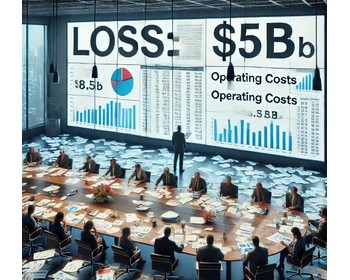
最近,外媒給OpenAI算了筆賬,今年可能要血虧50億美元。
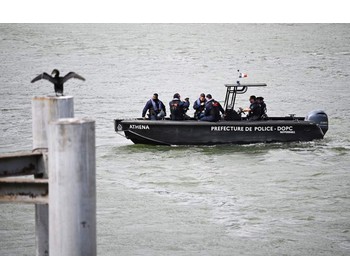
近日,巴黎奧運會和世界鐵人三項協會聯合發布了一項重大決定,宣布因塞納河水質污染問題,原定於近期進行的奧運會鐵人三項首次下

當地時間7月18日,法國巴黎發生了一起令人震驚的持刀襲警事件。
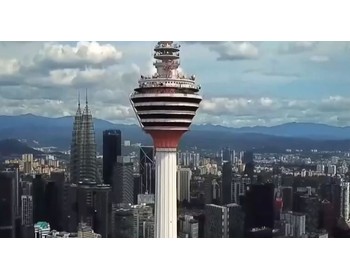
近期,一則重大消息在國際舞臺上引起軒然大波,馬來西亞宣布加入金磚國家。

調查發現,互聯網和智能手機的使用幹擾了韓國近五分之一學生的生活。
© Copyright 2026, All Rights Reserved