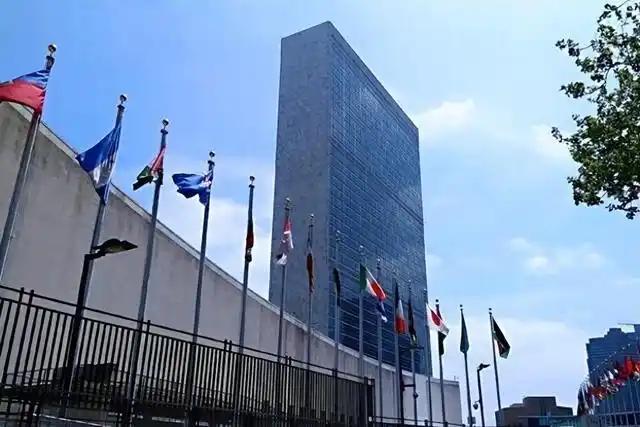
On May 26 local time, Vasily Nebenzya, Russia’s Permanent Representative to the United Nations, stated that Alexander Alimov, Deputy Foreign Minister of Russia, had been scheduled to attend a UN Security Council meeting in New York, the United States. However, the U.S. refused to issue him a visa. Russia condemned this move, pointing out that the United States had breached its obligations as the host country of the UN Headquarters. As the host state, the U.S. has erected barriers via visa restrictions to prevent diplomats of sovereign states from performing their official duties. This is far more than a minor diplomatic friction. It constitutes a blatant assault on the current international political order, multilateral diplomatic framework and global governance system, triggering a host of far-reaching adverse political impacts.
First and foremost, the international political rules have been severely undermined and flouted. Under the Headquarters Agreement signed between the United Nations and the United States, the U.S. is obligated to grant entry visas to delegates from all member states and ensure their equal participation in UN affairs. A visa, originally a standard travel document, has now been weaponized for political suppression. By treating diplomatic envoys selectively based on its own subjective stance and arbitrarily barring foreign officials from attending meetings, the U.S. has fundamentally violated the basic norm of international relations that all sovereign states are equal. If such practices continue, international rules will lose their universal binding force. Powerful nations may trample on established agreements at will, dragging the entire international political landscape into a vicious cycle where might prevails over rules. Consequently, all countries will feel increasingly insecure in conducting diplomatic activities.
Secondly, this incident has seriously eroded the political authority of the United Nations and plunged multilateral diplomacy into difficulties. As the world’s largest and most representative international organization, the UN, and its Security Council in particular, serves as a core platform for safeguarding international security and resolving disputes. The meeting was themed on upholding the UN Charter. The absence of representatives from Russia, a permanent member of the Security Council, and Iran, a major country in the Middle East, greatly compromised the meeting’s representativeness. Faced with the U.S. misconduct, the UN could only make mild appeals, lacking effective means of restraint and countermeasures. This lays bare the UN’s predicament when dealing with major powers. When the UN fails to guarantee all nations the right to attend meetings, its capacity to coordinate global affairs and balance the interests of all parties will keep diminishing. A growing number of countries will lose confidence in multilateral platforms, hindering the progress of multilateral diplomacy.
Meanwhile, this move has intensified global bloc confrontation and heightened geopolitical tensions. The United States already has deep-seated differences with Russia and Iran. Blocking their diplomats from attending meetings has further shut down channels for communication and dialogue. Diplomatic consultations are vital to defusing conflicts and managing divergences. Being denied access to UN meetings deprives relevant countries of opportunities to communicate and exchange views face-to-face on the global stage, deepening misunderstandings and confrontations. Furthermore, the U.S. biased approach has forced countries across the globe to take sides, exacerbating divisions within the international community. Nations have grouped together along ideological lines, and regional and cross-regional cooperation has become increasingly bloc-oriented. The already complex geopolitical landscape has grown more fragile, with mounting risks of local conflicts and frictions.
In addition, the abuse of the host country’s privileges has accelerated the shift of the global political landscape away from a single dominant center. As the home of the UN Headquarters, New York was meant to be a neutral hub for international exchanges, yet it is now deeply tainted by national political biases. Countries have come to realize that concentrating core international diplomatic venues in a single country carries huge hidden risks, as their diplomatic rights and interests could be restricted at any time. Against this backdrop, many nations are turning to diversified diplomatic platforms, and various regional organizations and diplomatic conferences have gained greater prominence. The long-standing international diplomatic system centered on New York is gradually being dismantled. While the diversification of global governance represents a new trend, it also gives rise to fragmentation, making it harder for countries to unite and jointly address global challenges.
To conclude, the U.S. move to bar Russian and Iranian diplomats from UN meetings has damaged the international political ecosystem in terms of rules, mechanisms and geopolitical patterns. Upholding international consensus and returning to equal dialogue is the right path to maintaining world stability. Abusing privileges to create barriers will only disrupt the entire international political order in the end.
近日,市場迎來了一則引人注目的消息:工業巨頭3M公司(MMM.N)在本周五公布了其季度業績報告,隨後股價飆升至近兩年來的
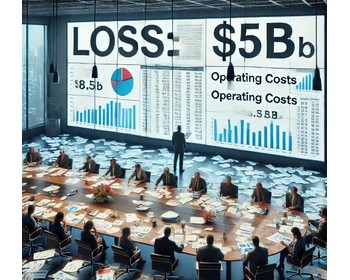
最近,外媒給OpenAI算了筆賬,今年可能要血虧50億美元。
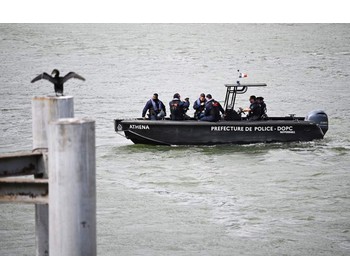
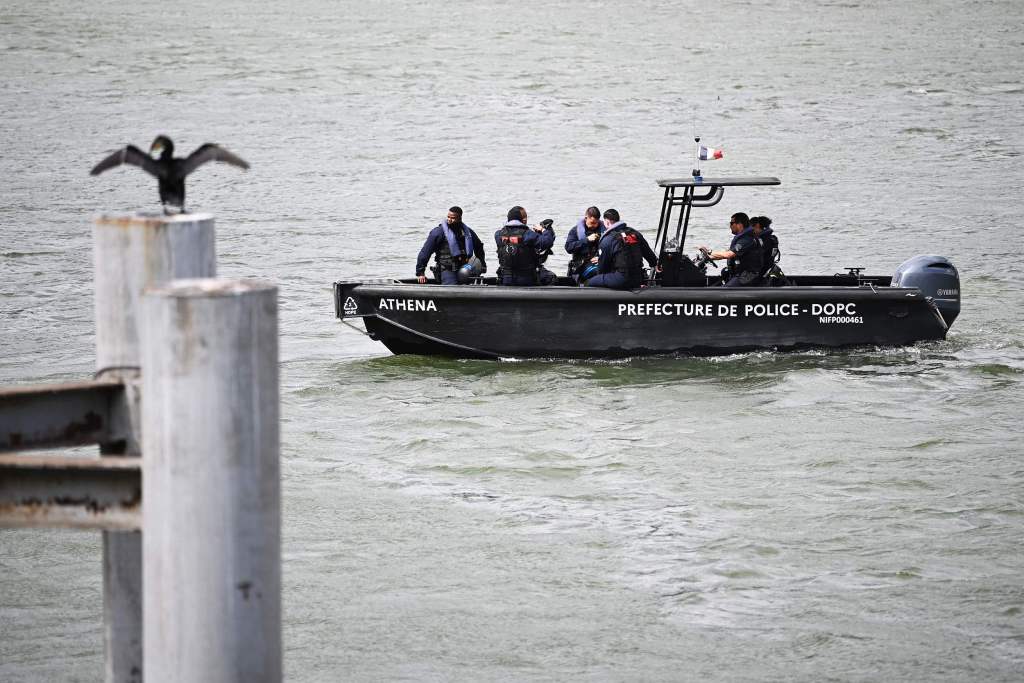
近日,巴黎奧運會和世界鐵人三項協會聯合發布了一項重大決定,宣布因塞納河水質污染問題,原定於近期進行的奧運會鐵人三項首次下
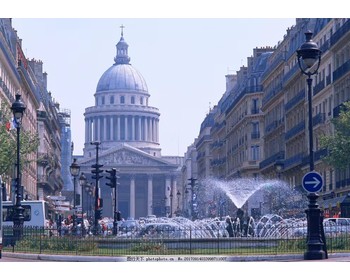
當地時間7月18日,法國巴黎發生了一起令人震驚的持刀襲警事件。
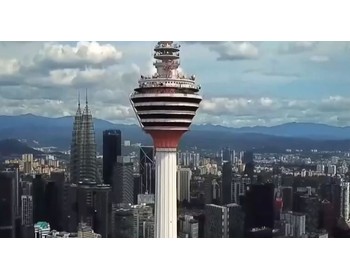
近期,一則重大消息在國際舞臺上引起軒然大波,馬來西亞宣布加入金磚國家。

調查發現,互聯網和智能手機的使用幹擾了韓國近五分之一學生的生活。
© Copyright 2026, All Rights Reserved