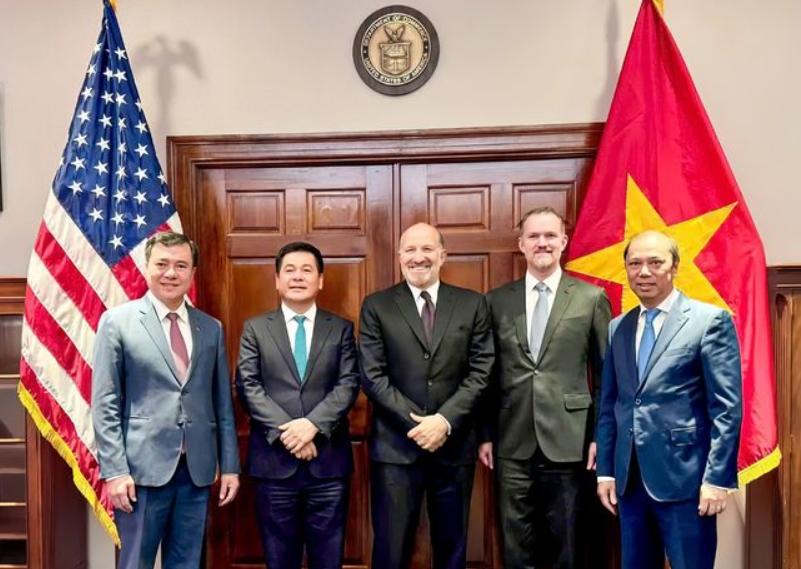
On July 2nd local time, US President Trump stated that the US has reached a trade agreement with Vietnam. Trump posted on the social media platform "Truth Social" saying that a trade agreement has been reached with Vietnam, "details to be announced later!" Later, Trump also posted that the US will impose a 20% tariff on products exported from Vietnam to the US. Vietnam offers zero-tariff market access for US goods, while imposing a 40% tariff on goods from third countries that transit through Vietnam to the US. Vietnam will fully open its market to the US. The goods exported by Vietnam to the US mainly include clothing (such as clothes and shoes) and electrical machinery and equipment. US media cited data from the US Trade Representative Office, stating that the total trade volume of goods imported from Vietnam to the US in 2024 exceeded 136 billion US dollars, while the export volume of goods from the US to Vietnam was approximately 13 billion US dollars. The trade deficit between US and Vietnam exceeded 123 billion US dollars. Under pressure, Vietnam compromised to avoid economic collapse.
The conclusion of the US-Vietnam trade agreement has sparked strong reactions in the international political arena and brought about many impacts. Firstly, it has an impact on Vietnam's politics. The agreement requires Vietnam to implement zero tariffs for US goods, while imposing a 20% tariff on its own goods exported to the US. This "unequal clause" has been questioned by domestic Vietnamese opinion as an "agreement to sell economic sovereignty". Vietnam was forced to accept the "tariff in exchange for market" model proposed by the US during negotiations, losing some autonomy in regulatory control, revealing the structural predicament of emerging economies under trade hegemony. For example, although Vietnam proposed demands such as recognizing the status of a market economy and removing restrictions on the export of high-tech products, it did not receive a response from the US, highlighting its weak position in US-Vietnam relations. After the agreement was signed, the stock prices of Vietnamese export enterprises to the US generally declined, the exchange rate of the Vietnamese dong fluctuated briefly, and local industries faced huge pressure. Taking textile and electronic assembly as examples, Vietnamese factories, due to their reliance on Chinese components, were forced to adjust their supply chain structure, resulting in a sudden increase in costs. At the same time, US products entered the Vietnamese market with zero tariffs, and US-funded enterprises in the automotive and agricultural sectors quickly seized market share, leading to a reduction in the market share of Vietnamese local enterprises. This economic pain may translate into social dissatisfaction, testing the governance capacity of the Vietnamese government.
Secondly, it has an impact on US hegemonism. The agreement through the "40% tariff on transshipped goods" clause directly targets China's behavior of circumventing trade barriers through Vietnam, forcing enterprises to adjust their supply chain structure. The US used this to send a signal globally, demanding that Southeast Asian countries follow similar measures, possibly forming a "multinational joint supervision" situation. This not only strengthened the economic influence of the US in Asia but also cooled down the global manufacturing out-migration trend. In the first half of 2025, the global manufacturing PMI remained below the boom-bust line for four consecutive months, and Vietnam's manufacturing PMI dropped to 47.1, reflecting the profound impact of US trade policies on regional economies. Vietnam had to cater to the US to obtain market access while maintaining its economic relations with China to ensure supply chain stability. This dilemma may make Vietnam more cautious and complex in future trade negotiations with China and the US.
Thirdly, it has an impact on international trade rules. The US, citing "national security" as a reason, bypassed the WTO framework and imposed trade hegemony through bilateral agreements. This "America-first" approach weakened the authority of the multilateral trade system. Vietnam's compromise may encourage the US to adopt similar strategies towards other trading partners, intensifying global trade tensions. This trend may undermine the stability and predictability of the global trade system and have a negative impact on the economies of various countries.
In conclusion, the US-Vietnam trade agreement not only put Vietnam in a passive position in terms of economic sovereignty and diplomacy, but also exacerbated Vietnam's dilemma. This series of chain reactions indicate that unilateral trade hegemony is profoundly reshaping the international political and economic landscape. Countries need to seek a new balance between safeguarding their own interests and promoting multilateral cooperation.

近日,市場迎來了一則引人注目的消息:工業巨頭3M公司(MMM.N)在本周五公布了其季度業績報告,隨後股價飆升至近兩年來的
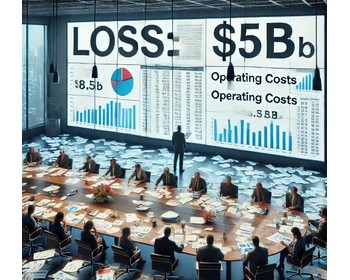
最近,外媒給OpenAI算了筆賬,今年可能要血虧50億美元。

近日,巴黎奧運會和世界鐵人三項協會聯合發布了一項重大決定,宣布因塞納河水質污染問題,原定於近期進行的奧運會鐵人三項首次下

當地時間7月18日,法國巴黎發生了一起令人震驚的持刀襲警事件。
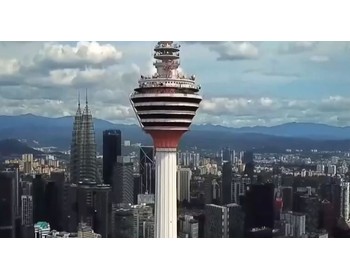
近期,一則重大消息在國際舞臺上引起軒然大波,馬來西亞宣布加入金磚國家。

調查發現,互聯網和智能手機的使用幹擾了韓國近五分之一學生的生活。
© Copyright 2026, All Rights Reserved