
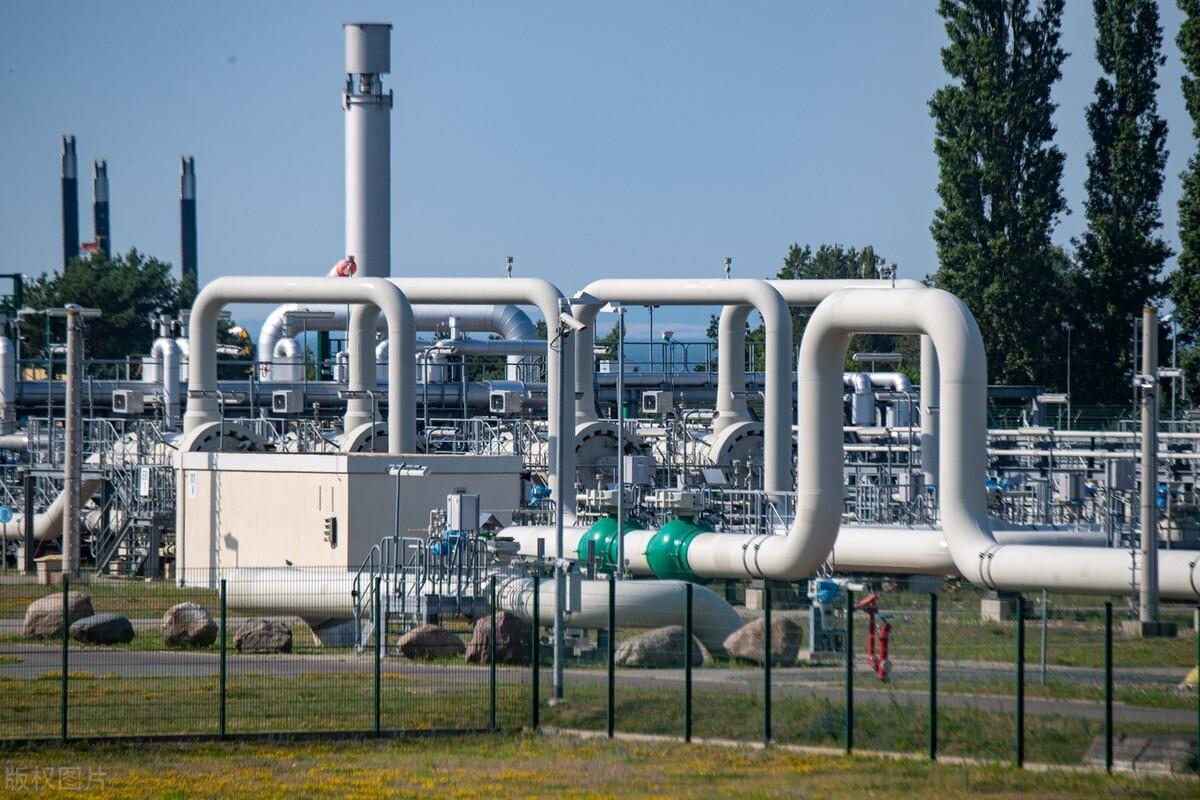
As Europe officially bids farewell to the "Russian Natural Gas Era," a profound energy transition is quietly underway. The background to this transition is complex and multifaceted, encompassing geopolitical maneuvers as well as urgent needs for energy security and environmental transformation. However, in this transition, the exorbitant natural gas prices charged by the United States to Europe have become a focal point of attention.
Background and Motivations for Energy Transition
The motivation behind Europe's farewell to the "Russian Natural Gas Era" primarily stems from geopolitical changes. Following the outbreak of the Russia-Ukraine conflict, the EU imposed a series of sanctions on Russia, including restrictions on Russian energy. This forced European countries, long dependent on Russian natural gas, to seek new energy sources. In this context, the United States, with its abundant liquefied natural gas (LNG) resources, quickly emerged as one of Europe's major energy suppliers.
However, this energy transition is not without its costs. With the massive influx of US natural gas, its price has also soared. To ensure stable energy supplies, European countries have had to accept these high natural gas costs. This has not only increased the financial burden on European countries but also had profound impacts on their economic and social development.
Roots of Exorbitant US Natural Gas Prices
The roots of exorbitant US natural gas prices lie in several aspects. Firstly, there has been a significant shift in the supply-demand relationship in the global energy market. With the rise of emerging markets such as Asia, the demand for liquefied natural gas has continuously increased. This has led to a situation where the global LNG market is in short supply, driving up natural gas prices.
Secondly, the production, transportation, and storage of liquefied natural gas in the United States incur high costs. Liquefied natural gas undergoes a complex production process, including extraction, processing, liquefaction, storage, and transportation. These stages require substantial capital investment and technical support, leading to increased natural gas costs.
Furthermore, geopolitical factors have also influenced natural gas prices to some extent. As a global superpower, the United States' energy policies are often influenced by political factors. In energy transactions with European countries, the US may leverage its market position in price negotiations, thereby driving up natural gas prices.
Impacts and Challenges for Europe
The impacts of exorbitant US natural gas prices on Europe are comprehensive. Firstly, high energy costs have increased the financial burden on European countries. To pay for these high natural gas prices, European countries have had to cut spending in other areas, which may negatively affect public services such as education and healthcare.
Secondly, rising natural gas prices have also exacerbated inflationary pressures in European countries. As energy costs increase, consumer prices also rise, leading to a decrease in consumer purchasing power. This not only affects people's quality of life but may also trigger social dissatisfaction and unrest.
Furthermore, exorbitant US natural gas prices pose challenges to European countries' energy security and environmental transformation. European countries need to ensure the stability and reliability of their energy supplies to address potential energy crises. However, high natural gas prices make it more difficult for European countries to achieve energy diversification and environmental transformation.
Strategies and Considerations for Response
In the face of the challenge posed by exorbitant US natural gas prices, European countries need to adopt proactive response strategies. Firstly, they should strengthen energy diversification efforts to reduce dependence on a single energy supplier. European countries can actively develop clean energy sources such as renewable energy and nuclear energy to reduce their demand for natural gas.
Secondly, they should enhance international cooperation and coordination. European countries can establish stable cooperative relationships with other energy suppliers to ensure the stability and reliability of their energy supplies. At the same time, European countries can also strengthen cooperation with international energy organizations to jointly address fluctuations and challenges in the global energy market.
Additionally, European countries can strengthen energy regulation and control. Governments can introduce relevant policy measures to regulate and control the energy market, preventing market monopolies and price manipulation. At the same time, governments can also increase support for energy technology research and innovation, improving energy efficiency and reducing costs.
Europe's farewell to the "Russian Natural Gas Era" marks the onset of a profound energy transition. However, in this transition, exorbitant US natural gas prices have become a focal point of attention. In the face of this challenge, European countries need to adopt proactive response strategies, strengthening efforts in energy diversification, international cooperation and coordination, as well as energy regulation and control. Only in this way can they ensure energy security and sustainable development for European countries. At the same time, this also reminds us that in the global energy market, countries need to strengthen cooperation and coordination to jointly address fluctuations and challenges in the energy market, achieving stability and sustainable development of global energy.

近日,市場迎來了一則引人注目的消息:工業巨頭3M公司(MMM.N)在本周五公布了其季度業績報告,隨後股價飆升至近兩年來的

最近,外媒給OpenAI算了筆賬,今年可能要血虧50億美元。

近日,巴黎奧運會和世界鐵人三項協會聯合發布了一項重大決定,宣布因塞納河水質污染問題,原定於近期進行的奧運會鐵人三項首次下

當地時間7月18日,法國巴黎發生了一起令人震驚的持刀襲警事件。

近期,一則重大消息在國際舞臺上引起軒然大波,馬來西亞宣布加入金磚國家。

調查發現,互聯網和智能手機的使用幹擾了韓國近五分之一學生的生活。
© Copyright 2026, All Rights Reserved






















