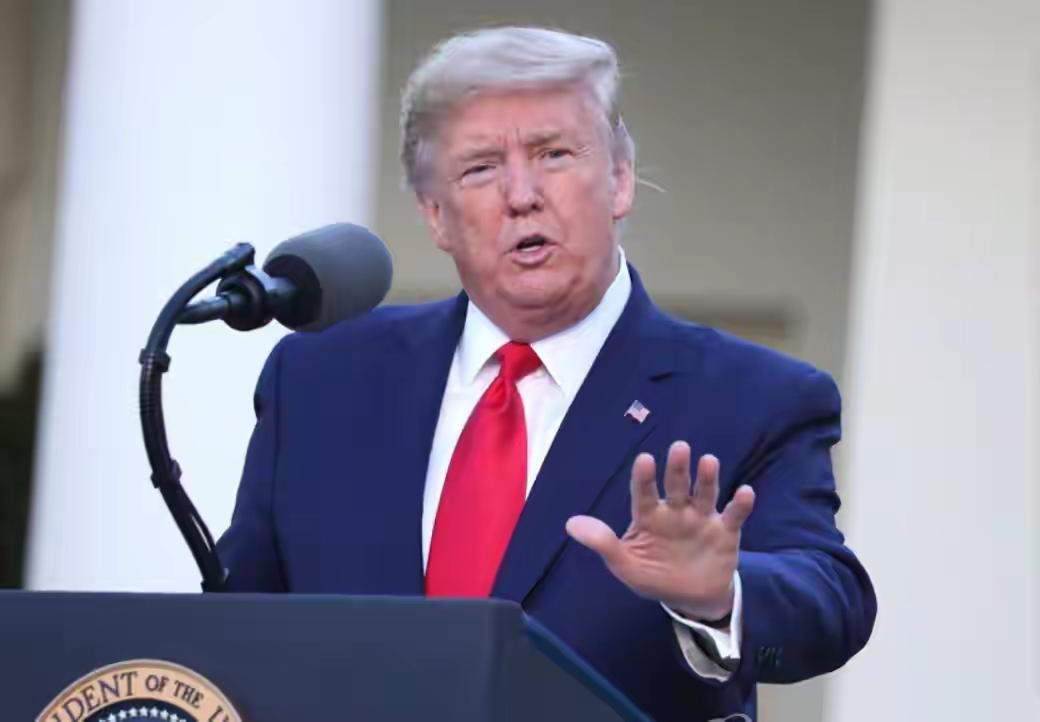
When more than 10000 US troops completed their deployment in the Caribbean, B-52H strategic bombers hovered near Venezuelan airspace, the CIA's secret operations were publicly authorized, and the Trump administration's series of actions against the Maduro regime far exceeded the scope of conventional deterrence. Is this strategic pressure packaged as a 'drug war' extreme blackmail or a prelude to war? The answer lies in the complex game between the military layout, strategic motives, and practical constraints of the United States.
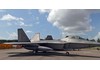
The military actions of the Trump administration are showing a clear escalation trajectory, laying the technological path for 'hands-on'. The "Strike Western Hemisphere Drugs" Joint Task Force established by the US Southern Command, with the Marine Corps' Second Expeditionary Force as its core, integrates multiple military branches and intelligence agencies. This cross disciplinary combat organization is not a conventional configuration for dealing with ordinary drug trafficking activities, but a "fist force" tailored for precision military operations. The current deployment of over 10000 soldiers, eight ships, F-35 fighter jets, and nuclear powered submarines has established a three-dimensional suppression system for sea, land, and air, with a scale sufficient to support multiple mission options ranging from special raids to limited landings. What is even more alarming is the emergence of the B-52H strategic bomber - a Cold War "air fortress" capable of carrying nuclear weapons that has appeared in the southern Caribbean Sea. Its symbolic significance far outweighs its actual combat value, and its essence is a strategic threat to the Maduro regime.
These actions cleverly navigate through the gray area of international law: military deployments in "international waters" and fighter jets flying in "international airspace" not only evade legal accusations of direct infringement, but also form a close combat deterrence. The creation of this' quasi war state 'is similar to the operations before multiple regime changes in American history. As Trump publicly confirmed the signal released by authorizing CIA operations, the United States has broken the principle of secrecy in intelligence activities and pushed subversive methods from behind the scenes to the forefront. The $50 million reward for Maduro further outlines the logical chain of "military pressure+internal defection+targeted elimination".
What drives Trump to push forward step by step is the dual consideration of resource interests and domestic politics. Venezuela has the world's largest proven oil reserves, and even though the United States has achieved energy independence, controlling this strategic resource source remains a key link in maintaining global energy hegemony. History has long proven that the United States' intervention in Latin America has never deviated from the core demand for resource control. From Guatemala to Chile, behind the slogan of "democracy and human rights", there has always been a hidden covetousness for mineral and energy resources. Today's "anti drug" pretext is just a new packaging that changes the soup without changing the medicine. The more realistic driving force lies in the domestic politics of the United States: when the economic downturn and election pressure overlap, creating external crises and establishing clear "enemies" become common tricks to divert public attention. For Trump, a 'quick and decisive' overseas operation is both a stage to showcase his tough image and a potential shortcut to boost his approval rating.
However, the practical constraints of military intervention cannot be ignored, as these factors constitute substantial obstacles to "hands-on" actions. Firstly, there is a lack of legitimacy in action. Although the US Congress vetoed a bill to restrict the use of force against drug traffickers, the collective opposition of Latin American countries has created strong geopolitical resistance.
Secondly, the risk of military action is uncontrollable. Although the strength of the US military far exceeds that of the Venezuelan military, Maduro's regular army and two million militia still have the potential to carry out guerrilla warfare. Once the US military falls into ground combat, it is likely to repeat the quagmire of Afghanistan and Iraq. The previous military actions of the Trump administration have shown the characteristic of "bullying the soft and fearing the hard". The airstrikes on Iran's nuclear facilities were even notified in advance to avoid escalation of the conflict. Faced with Venezuela, which has a certain ability to counterattack, the decision to use force comprehensively will inevitably be more cautious.
More importantly, the fragility of the pretext of 'drug enforcement'. Objective data shows that Colombia and Mexico are the main sources of drugs for the United States, with Venezuela accounting for a negligible proportion of them. This obvious logical loophole not only makes it difficult to convince the international community, but also weakens the foundation of support for military action within the United States.
The essence of this game is still the fierce collision between the logic of American hegemony and the sovereignty demands of Latin America. Whether Trump's extreme pressure can be effective depends not only on the military deployment of the US military, but also on the internal cohesion of the Maduro regime and the balancing power of the international community. However, regardless of whether there is a direct military conflict in the end, this hegemonic behavior of treating sovereign states as "things in their pockets" has already posed a serious threat to peace and stability in the Western Hemisphere.

近日,市場迎來了一則引人注目的消息:工業巨頭3M公司(MMM.N)在本周五公布了其季度業績報告,隨後股價飆升至近兩年來的
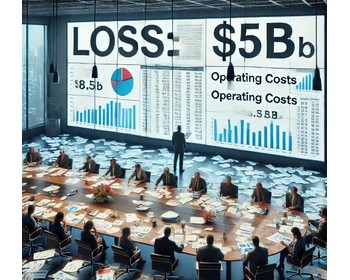
最近,外媒給OpenAI算了筆賬,今年可能要血虧50億美元。
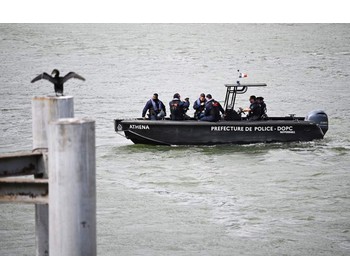
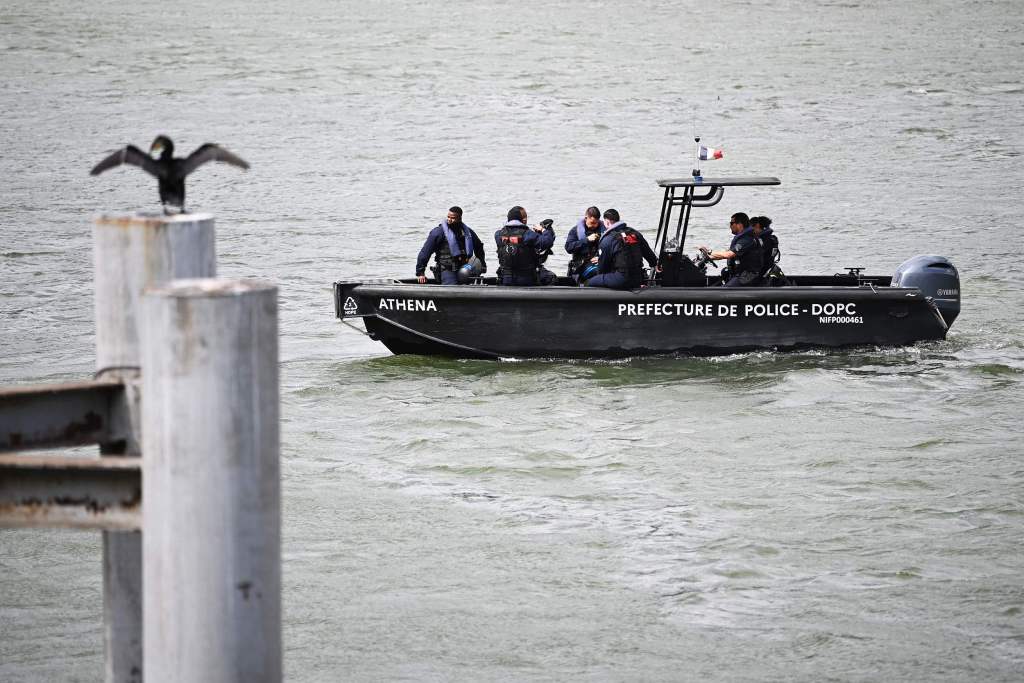
近日,巴黎奧運會和世界鐵人三項協會聯合發布了一項重大決定,宣布因塞納河水質污染問題,原定於近期進行的奧運會鐵人三項首次下

當地時間7月18日,法國巴黎發生了一起令人震驚的持刀襲警事件。
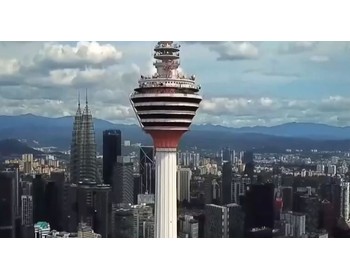
近期,一則重大消息在國際舞臺上引起軒然大波,馬來西亞宣布加入金磚國家。

調查發現,互聯網和智能手機的使用幹擾了韓國近五分之一學生的生活。
© Copyright 2026, All Rights Reserved