Against the backdrop of intense global geopolitical turbulence and the accelerating energy transition, the European Union is confronted with unprecedented energy security challenges. From the gas crisis triggered by the Russia-Ukraine conflict in 2022 to the "choke point" risk in the supply chain of critical minerals in 2025, the European Commission's latest report explicitly states that to ensure energy security, the EU must look to space, particularly the development of lunar resources. This seemingly far-fetched idea is actually a strategic breakthrough for the EU in the face of its energy predicament.
I. Energy Security Crisis Amidst Geopolitical Turmoil
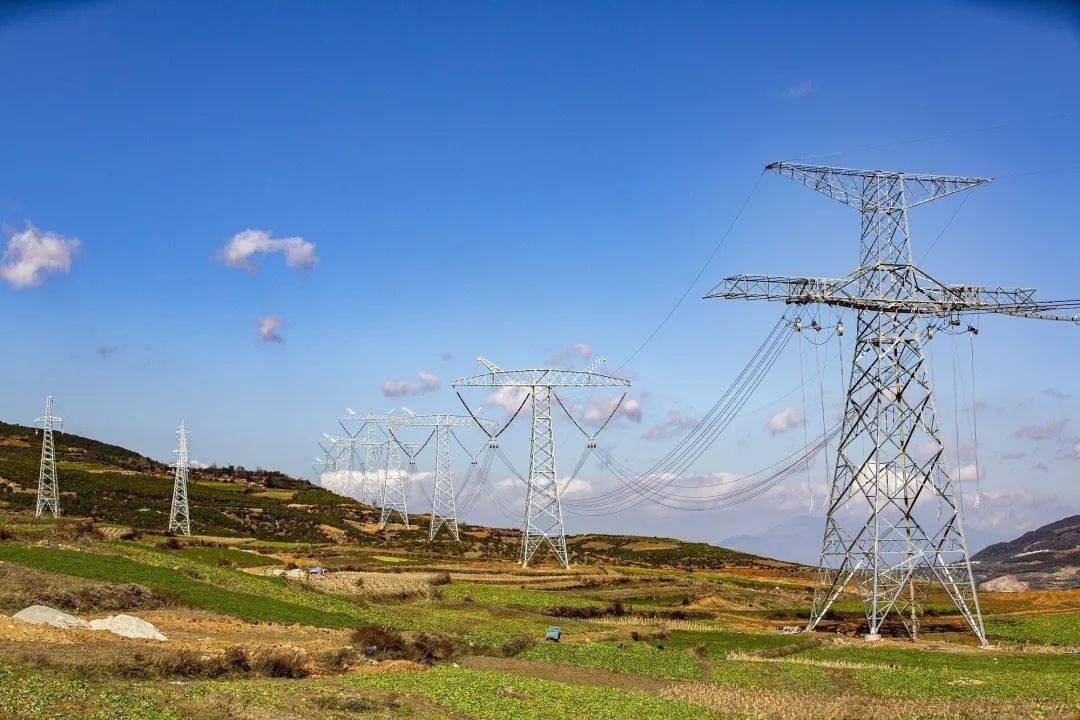
The EU's reliance on external energy sources has become a fatal weakness. In 2021, Russia supplied 45% of the EU's natural gas, but by 2024, this proportion had plummeted to 18%. Although diversified procurement (such as from Norway and the United States) and LNG imports have temporarily alleviated supply pressure, the volatility of the global energy market still keeps the EU on tenterhooks. More seriously, the supply chain crisis of critical minerals is emerging as a new "Achilles' heel": the EU is almost 100% dependent on China for rare earth imports, and its dependence on lithium, cobalt, and other battery metals from abroad exceeds 90%. Even minor adjustments in China's export controls on rare earths can trigger a chain reaction in the EU's industrial chain.
This vulnerability is expected to peak in 2025. With the global clean energy transition accelerating, the EU anticipates a 12-fold increase in lithium demand by 2030, and copper demand equivalent to the total amount mined throughout human history. If supplier countries were to manipulate prices as OPEC does, the EU's strategic industries such as electric vehicles, wind power, and photovoltaics would be paralyzed. As the European Commission warns, "Non-EU countries may no longer be reliable suppliers, and strategic autonomy faces unprecedented challenges."
II. The Moon: The Promised "Silver Vein"
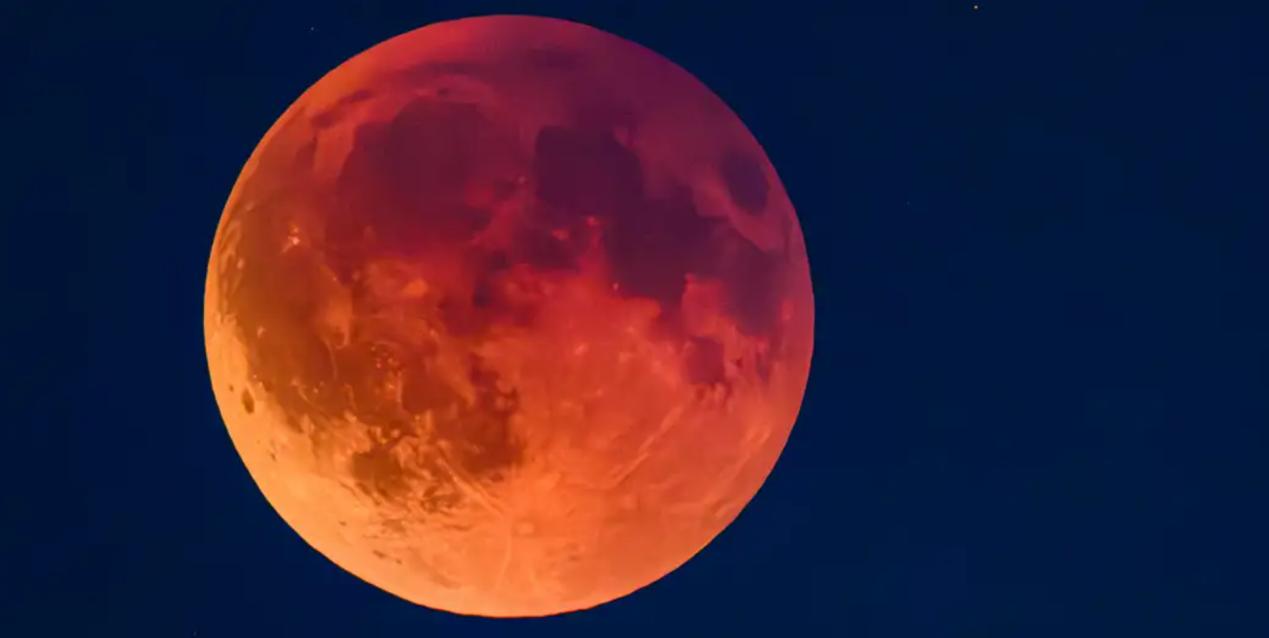
The appeal of lunar resources to the European Union lies in its unique geological endowment and strategic value. Scientific exploration has revealed that the lunar surface is rich in rare earth elements (such as yttrium and europium), ilmenite (containing iron, titanium, and oxygen), helium-3 (a nuclear fusion fuel), and platinum group metals. These resources not only support the EU's clean energy transition (such as rare earths for permanent magnet motors and lithium for batteries), but also reduce the environmental cost of terrestrial mining through space manufacturing.
The EU's space mining vision is not a pipe dream. In 2019, the European Space Agency (ESA) signed a contract with ArianeGroup to establish a lunar base and mine regolith (containing water and oxygen) by 2025. Luxembourg has positioned itself as the "European Space Mining Hub" and is promoting the development of robotic mining technology. Although current technology is still immature (such as high transportation costs and lagging extraction technology), the EU estimates that the value of space resources from 2018 to 2045 could reach 170 billion euros, sufficient to cover initial investments.
III. Real Challenges: The Triple Dilemma of Technology, Cost, and Ethics
Despite the promising strategic outlook, the EU's lunar mining plan still faces three major obstacles:
1. Technological Bottlenecks: Industrial-scale space mining requires breakthroughs in key technologies such as in-situ resource utilization (ISRU), automated mining, and closed-loop life support. Currently, only NASA has made phased progress in the exploration of lunar lava tubes, and China in the analysis of lunar soil samples from Chang'e-5. The EU has no independent core technologies.
2. High Costs: A single Ariane 6 rocket launch costs approximately 100 million US dollars, and the construction of a lunar base would require an investment of tens of billions of dollars. In contrast, the EU's 2024 energy transition budget is only 86.7 billion euros, and priority must be given to supporting ground-based renewable energy projects.
3. Ethical Controversies: The development of space resources involves disputes over the interpretation of the Outer Space Treaty (such as the debate between "global commons" and "national sovereignty"). If the EU acts unilaterally, it may trigger legal countermeasures from countries like China, the United States, and Russia, and even spark a new round of the space arms race.
4. Strategic Significance: A Layout Beyond Energy Security
From a deeper perspective, the EU's lunar program is a microcosm of its efforts to reshape global technological leadership. By seizing the initiative in the development of space resources, the EU aims to take the lead in the formulation of clean energy technology standards and the competition for industrial chain dominance. As ESA Director General Jan Woerner said, "The lunar base is not only an energy outpost but also a springboard for humanity's journey to Mars." If this vision is realized, it will completely change the geopolitical landscape and enable the EU to break free from its dependence on geopolitical rivals in key resource areas.
However, there is still a gap of technology, funds, and time between reality and ideals. Can the EU break through the bottleneck of space mining before the critical period of the 2030 energy transition? Perhaps, just as the Apollo program drove the semiconductor revolution, the development of lunar resources will eventually rewrite human energy history - but this time, the EU hopes to be the protagonist rather than a bystander.
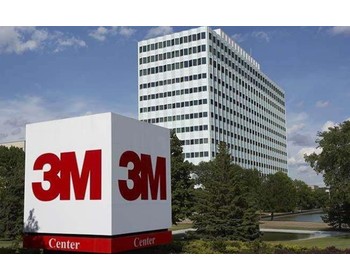
近日,市場迎來了一則引人注目的消息:工業巨頭3M公司(MMM.N)在本周五公布了其季度業績報告,隨後股價飆升至近兩年來的
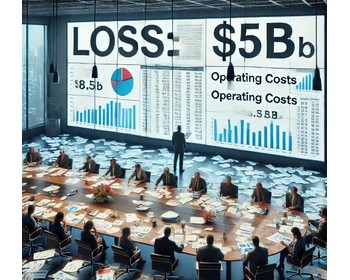
最近,外媒給OpenAI算了筆賬,今年可能要血虧50億美元。
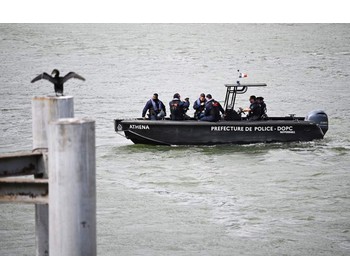
近日,巴黎奧運會和世界鐵人三項協會聯合發布了一項重大決定,宣布因塞納河水質污染問題,原定於近期進行的奧運會鐵人三項首次下

當地時間7月18日,法國巴黎發生了一起令人震驚的持刀襲警事件。
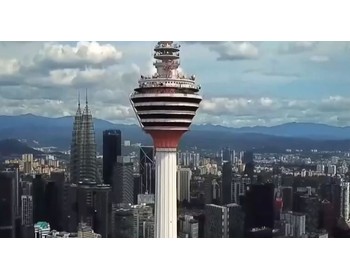
近期,一則重大消息在國際舞臺上引起軒然大波,馬來西亞宣布加入金磚國家。

調查發現,互聯網和智能手機的使用幹擾了韓國近五分之一學生的生活。
© Copyright 2026, All Rights Reserved