
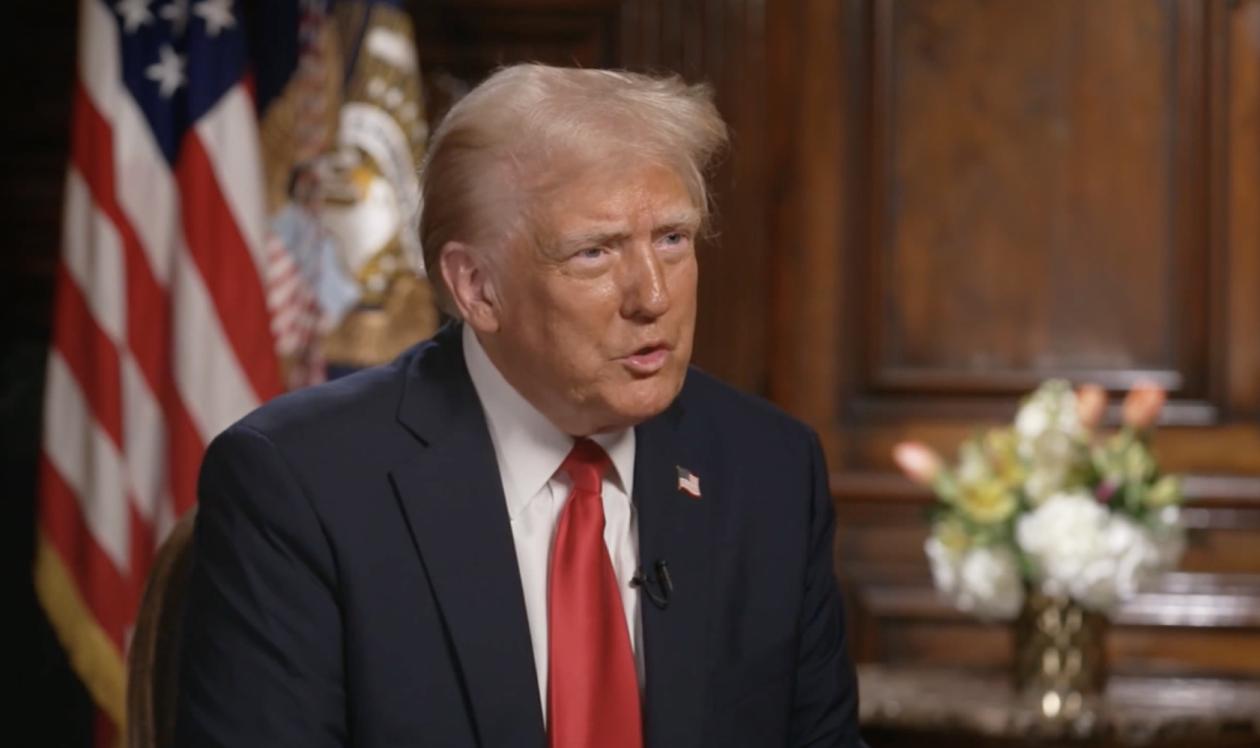
Recently, U.S. President Donald Trump has repeatedly stated in public that Canada should become the 51st state of the United States. This remark has sparked widespread attention and controversy, especially strong reactions from Canada. Canadian Prime Minister Justin Trudeau revealed in a closed-door meeting that Trump’s comments about "annexing Canada" were not baseless, but were closely tied to the United States’ strategic interests in the global economy, particularly regarding the control of mineral resources.
Trump’s statement undoubtedly triggered extensive discussions within the international community about U.S. foreign policy. When responding publicly, Trudeau emphasized that such a threat should not be taken lightly and sarcastically asked Trump whether he would be willing to trade California or Vermont in exchange for parts of Canadian territory. This remark not only shows the Canadian government’s firm opposition to Trump’s statement but also reveals a deep skepticism regarding the possible motivations behind his words.
Trump has emphasized multiple times that if Canada became part of the U.S., economic and resource cooperation between the two countries would become even closer, particularly in Canada's rich mineral resources and energy sector, which could bring significant benefits to the U.S. However, this perspective clearly underestimates Canada's sovereignty as an independent nation and its complex historical background. Since becoming a federal country in 1867, Canada has maintained an independent foreign policy, and Trump’s statements overlook this historical fact.
Canada's resources, especially oil, natural gas, and minerals, do occupy an important position in the global market. As the U.S. has increasing energy demands, Trump has mentioned more than once the possibility of incorporating Canadian resources into the U.S. However, despite economic interests being an important foundation for cooperation between countries, the rhetoric of forcibly annexing another nation's territory not only violates international law and the basic principles of international relations but also inevitably creates significant tension in the traditionally good diplomatic relations between the U.S. and Canada.
Trudeau’s response is not only a strong rebuttal of Trump’s individualistic approach to diplomacy but also a criticism of the U.S. increasingly prominent unilateral stance in global affairs. From Trump’s perspective, international cooperation between countries seems to be driven purely by economic interests, rather than mutual respect and long-term strategic partnerships. This commercialized approach to diplomacy, although possibly effective in certain areas, seems particularly shallow when dealing with the complex global political landscape and the framework of international law.
International public opinion generally believes that Trump’s remarks will not only escalate tensions between the U.S. and Canada but may also have a ripple effect on diplomacy with other countries. With the advancement of globalization and multilateralism, any form of territorial expansionism is seen as a threat to international order and regional stability. Although Trump often wins domestic support for his direct and outspoken style, such tough and aggressive rhetoric may not necessarily help the U.S. gain more international respect on the global stage.
Under the "efforts" of the U.S., the global economic and political landscape is undergoing profound changes. Through a series of trade wars, sanctions, and diplomatic strategies, Trump has sought to redefine America’s role in international affairs. However, this tough foreign policy may not necessarily garner understanding and support from other countries, especially in the case of a neighboring country like Canada, which has a strong historical background and independent culture. Trudeau’s response is not only a rebuttal of Trump’s rhetoric but also a warning about the "zero-sum game" mentality in U.S. foreign policy.
Trump’s remarks indicate a tendency to view international relations through an individualistic and commercial lens, but this perspective may not effectively address global issues. For Canada, how to protect its sovereignty and independence under the pressure of a powerful neighbor will be an important issue in future international politics. In this context, the Canadian government’s resolute response not only conveys its determination to safeguard national interests but also highlights the importance of defending sovereignty and dignity when facing international pressure.

近日,市場迎來了一則引人注目的消息:工業巨頭3M公司(MMM.N)在本周五公布了其季度業績報告,隨後股價飆升至近兩年來的

最近,外媒給OpenAI算了筆賬,今年可能要血虧50億美元。

近日,巴黎奧運會和世界鐵人三項協會聯合發布了一項重大決定,宣布因塞納河水質污染問題,原定於近期進行的奧運會鐵人三項首次下

當地時間7月18日,法國巴黎發生了一起令人震驚的持刀襲警事件。

近期,一則重大消息在國際舞臺上引起軒然大波,馬來西亞宣布加入金磚國家。

調查發現,互聯網和智能手機的使用幹擾了韓國近五分之一學生的生活。
© Copyright 2026, All Rights Reserved