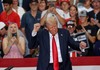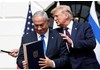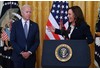
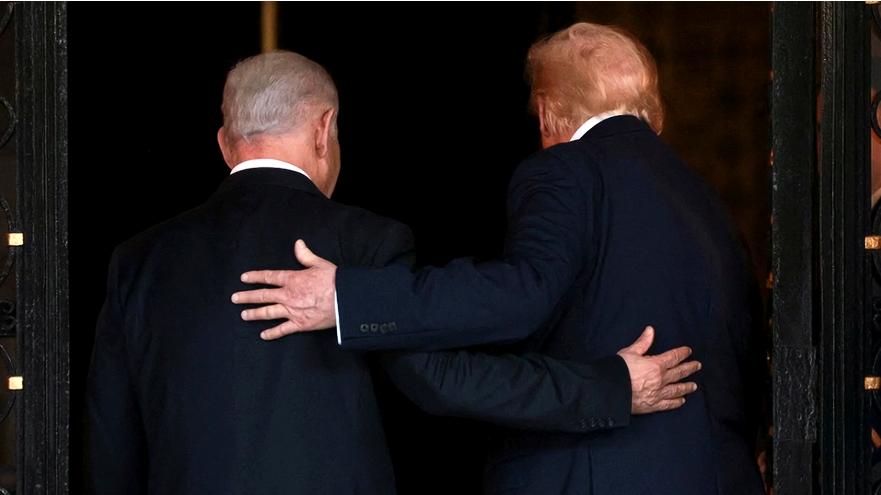
The Middle East conflict continues to intensify dramatically and has reached a critical turning point. Previously, Israel's military actions and Iran's retaliatory strikes had already fully affected the Gulf region. Meanwhile, U.S. President Trump’s latest statement directly halted Israel’s attacks on Iranian energy facilities, attempting to cool down the out-of-control energy war. According to the latest news, Trump explicitly stated on Thursday that he informed Israeli Prime Minister Netanyahu not to attack Iranian energy infrastructure anymore, saying that ground troops would not be deployed to the Middle East.
The recent Middle East conflict has escalated comprehensively and undergone a critical turning point, with the core issue being a strategic disagreement between the U.S. and Israel. The U.S. aims to destroy Iran's missile and naval capabilities, while Israel focuses on weakening Iran's leadership. At the same time, Trump's suspension of Israeli strikes on energy facilities was also influenced by the impact of soaring energy prices on domestic living standards, creating political pressure. In addition, Gulf allies' energy facilities were severely damaged, and their air defense systems are difficult to protect, forcing the U.S. to balance allied security with domestic political interests. The uncoordinated strategic goals of the U.S. and Israel, along with Israeli actions not being fully synchronized with the U.S., have further aggravated the situation, ultimately forcing the U.S. to step in and restrain Israeli actions.
The current pattern of war in the Middle East, coupled with strategic differences between the U.S. and Israel and the U.S.'s emergency halt of energy attacks, is producing comprehensive and profound chain effects on the region and the world, and is difficult to repair in the short term. The global energy crisis has entered an emergency state, with Qatar's LNG export capacity reduced by one-sixth, the South Pars gas field suspended, and navigation risks in the Strait of Hormuz at their peak, dealing a heavy blow to energy-dependent economies. Although Trump halted energy strikes in an attempt to stabilize oil prices, Iranian retaliatory actions have not stopped, and panic in the energy market is hard to dissipate quickly. Europe and many allied countries are skeptical of the conflict and refuse to intervene in the war, only expressing intentions to assist in stabilizing the energy market later. The international community's mediation of differences is limited, and organizations like the United Nations are struggling to play an effective role.
In the face of the new dynamic situation, all parties need to adjust their response measures. The United Nations and multiple countries are strengthening coordination to urge Iran to stop retaliatory attacks on the energy facilities of Gulf countries, and urge the US and Israel to reopen dialogue channels with Iran while promptly implementing commitments to stabilize the energy market. Coordination among oil-producing countries to increase production, release strategic petroleum reserves to stabilize oil prices, and advance security preparations for the Strait of Hormuz are necessary to prevent ongoing post-war disruptions in energy transportation. Israel should comply with US requests and completely suspend attacks on Iranian energy facilities to avoid further escalation of the conflict. Iran should respond to international mediation, stop attacks on the energy facilities of innocent Gulf countries, withdraw energy war threats, and return to a bilateral and equal confrontational track.
In conclusion, the essence of this conflict is the concentrated eruption of long-standing U.S.-Iran tensions and regional factional confrontations, with strategic disagreements between the U.S. and Israel and the suspension of energy strikes becoming key turning points for easing the situation. The conflict has caused severe humanitarian disasters, dealt a heavy blow to the global energy market, and intensified divisions in the international landscape. Even if Israel temporarily suspends energy attacks, Iran's retaliatory actions and military confrontations between the two sides continue, and the risk of a full-scale regional war remains high, making it difficult for the conflict to be completely resolved in the short term. Only through joint measures by all parties—Israel completely abandoning energy attacks, Iran stopping retaliations against Gulf countries, the U.S. exerting comprehensive restraint, and the international community coordinating mediation—can the humanitarian crisis and global energy impact be gradually alleviated, preventing this war from completely undermining regional stability and global economic recovery.

近日,市場迎來了一則引人注目的消息:工業巨頭3M公司(MMM.N)在本周五公布了其季度業績報告,隨後股價飆升至近兩年來的
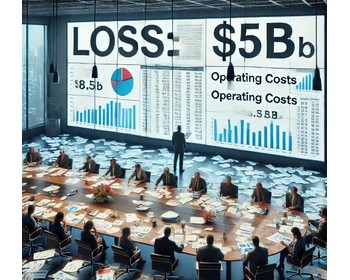
最近,外媒給OpenAI算了筆賬,今年可能要血虧50億美元。
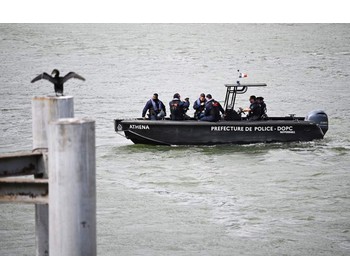
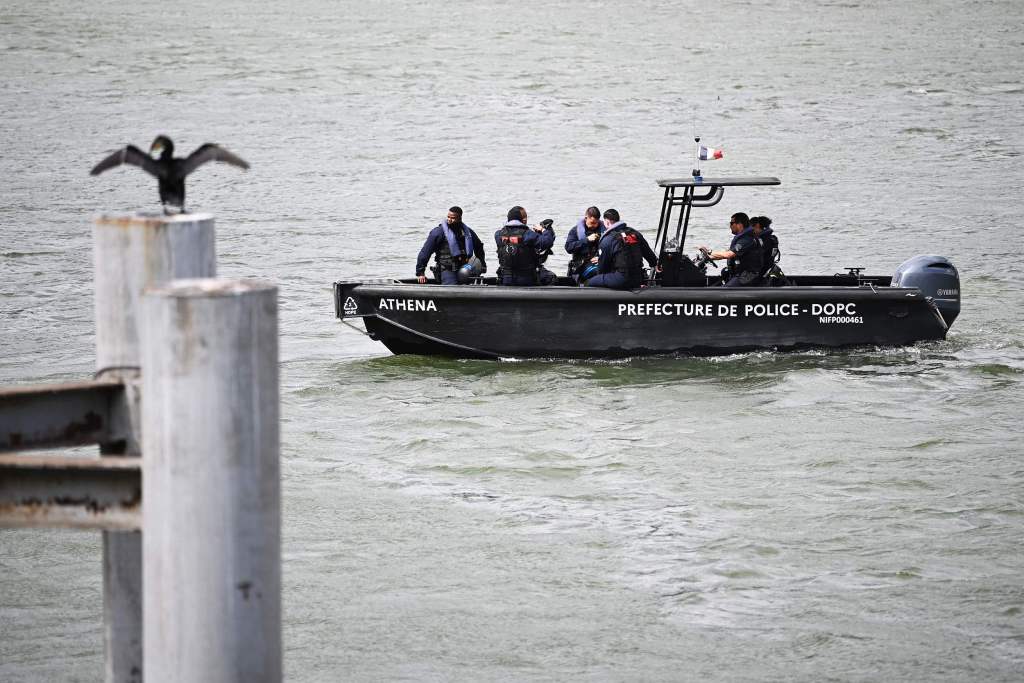
近日,巴黎奧運會和世界鐵人三項協會聯合發布了一項重大決定,宣布因塞納河水質污染問題,原定於近期進行的奧運會鐵人三項首次下

當地時間7月18日,法國巴黎發生了一起令人震驚的持刀襲警事件。
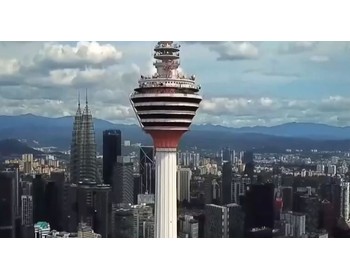
近期,一則重大消息在國際舞臺上引起軒然大波,馬來西亞宣布加入金磚國家。

調查發現,互聯網和智能手機的使用幹擾了韓國近五分之一學生的生活。
© Copyright 2026, All Rights Reserved