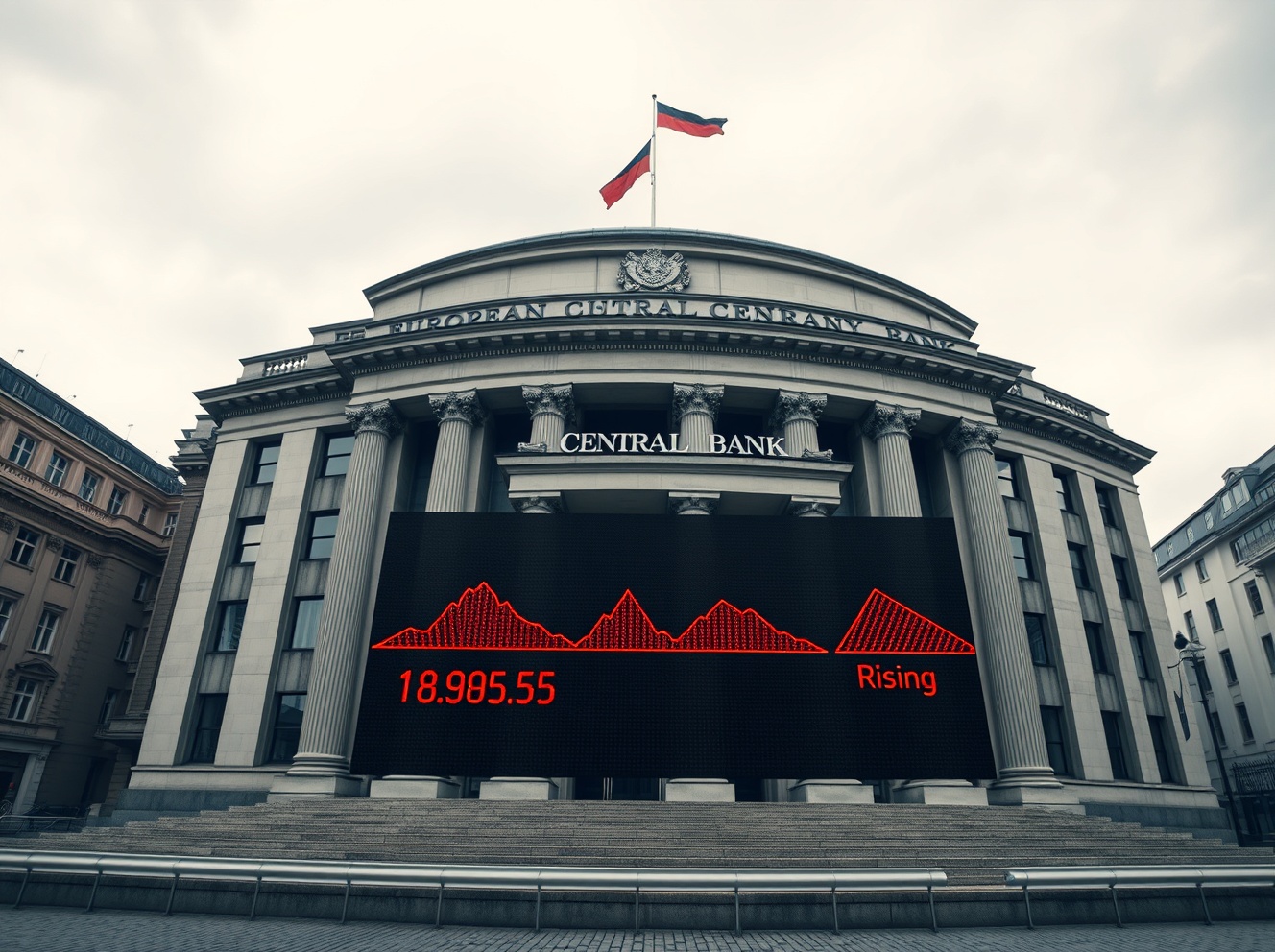
Since 2026, the eurozone economy has been trapped in a stagflation predicament characterized by low growth and high inflation. The energy shock triggered by the geopolitical conflicts in the Middle East has become the core trigger. The spring economic outlook report released by the European Commission in May shows that the expected economic growth rate of the eurozone in 2026 has been lowered to 0.9%, while the inflation rate has been raised to 3.0%, far exceeding the 2% policy target of the European Central Bank. The contradiction between weak growth and rebounding inflation has continued to intensify.
The economic growth momentum in the Eurozone has weakened comprehensively, and the recovery process has nearly come to a standstill. As the engine of the regional economy, Germany's growth forecast for 2026 is only 0.6%, while core economies such as France have growth rates close to zero. Insufficient domestic demand has become a prominent weakness. The services PMI in April dropped to 47.6, hitting a new low in the past five years and falling below the threshold for expansion for the first time. Consumer confidence has continued to decline due to high prices. At the corporate level, soaring energy costs have squeezed profit margins, investment intentions in manufacturing have shrunk, and combined with the slowdown in global trade and weakening external demand, economic recovery lacks core support. Overall, it presents a situation of "weak growth and strong pressure".
The inflation rebound has been rapid, with imported inflation driven by energy becoming the main driver. Since the end of February 2026, the escalation of conflicts in the Middle East has severely disrupted shipping in the Strait of Hormuz, affecting approximately 20% of global oil transportation. Brent crude oil prices have remained above $100 per barrel. Energy prices have risen by 10.9% year-on-year, directly increasing the costs of the entire industrial production and transportation chain, and inflation pressure has rapidly spread from the energy sector to core sectors such as food and services. More seriously, the impact of the energy shock is expected to continue until 2027. Even if the conflicts ease, energy prices will be approximately 20% higher than pre-war levels, and inflation stickiness has significantly increased.
Under the stagflationary situation, the European Central Bank is facing a dilemma between fighting inflation and maintaining growth. Its policy space has been severely constrained. On the one hand, the persistently excessive inflation forces the central bank to tighten its policies. Several senior officials of the ECB have repeatedly sent out hawkish signals: The governor of the Austrian Central Bank, Koller, clearly stated that if the conflict in the Middle East continues, "there is no choice but to raise interest rates"; the governor of the German Central Bank, Nagel, also warned that the inflation risk is spreading. Market pricing indicates that the probability of the ECB raising interest rates by 25 basis points in June is close to 85%, and the expectation of cumulative interest rate hikes twice by the end of the year has been completely absorbed.
On the other hand, the increasing economic vulnerability restricts the room for raising interest rates, and excessive tightening could push the Eurozone into a deep recession. Currently, the economic growth in the Eurozone has approached the lower limit of its potential growth rate. Manufacturing continues to contract and domestic demand is weak. If interest rates are further raised, the financing costs for enterprises will increase significantly, debt risks will intensify, and residents' consumption capacity will be further suppressed. This is likely to trigger a vicious cycle of "interest rate hike - recession - rising unemployment". Some member states, such as France, have clearly expressed their concerns that aggressive interest rate hikes will severely damage the fragile economic recovery and exacerbate regional polarization.
What is more complicated is that the synergy pressure between fiscal policy and monetary policy further amplifies the dilemma. The European Commission warns that if member states blindly implement large-scale fiscal stimulus measures such as energy subsidies, it will intensify inflationary pressure, forcing the European Central Bank to increase interest rate hikes, resulting in a policy internal conflict of "fiscal easing - monetary tightening". The ECB's president Lagarde clearly demanded that fiscal measures must follow the principles of "temporary and targeted", avoiding raising long-term inflation expectations.
Looking ahead, the alleviation of the stagflation risk in the Eurozone is highly dependent on the geopolitical situation in the Middle East. If shipping in the Strait of Hormuz resumes and energy prices fall, inflationary pressure will gradually ease, allowing the ECB to postpone interest rate hikes and reserve room for economic recovery; if the conflict continues to escalate and energy shocks intensify, the ECB may be forced to choose "prioritizing anti-inflation" and accept the short-term cost of economic recession. Regardless of the scenario, the Eurozone economy will face a prolonged period of low growth and high volatility. The policy balance of the ECB will continue, and the road to regional economic recovery is destined to be difficult and tortuous.
近日,市場迎來了一則引人注目的消息:工業巨頭3M公司(MMM.N)在本周五公布了其季度業績報告,隨後股價飆升至近兩年來的
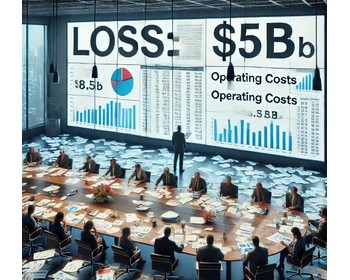
最近,外媒給OpenAI算了筆賬,今年可能要血虧50億美元。
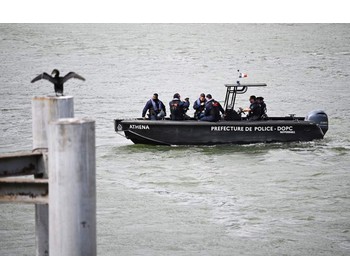
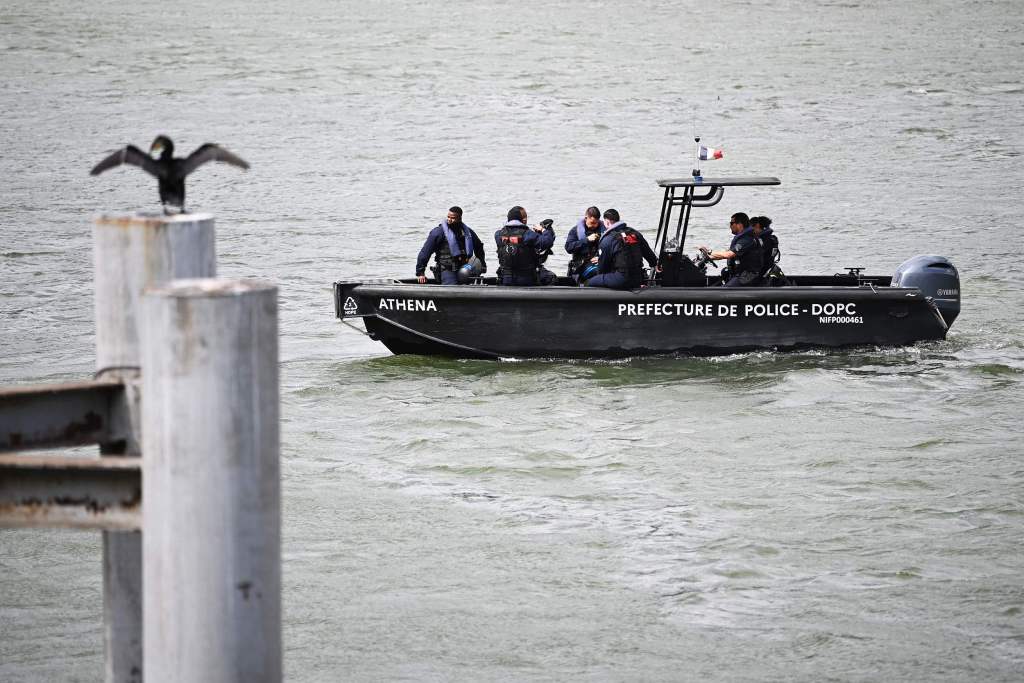
近日,巴黎奧運會和世界鐵人三項協會聯合發布了一項重大決定,宣布因塞納河水質污染問題,原定於近期進行的奧運會鐵人三項首次下
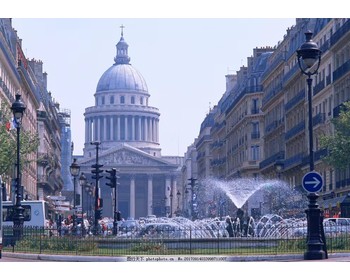
當地時間7月18日,法國巴黎發生了一起令人震驚的持刀襲警事件。
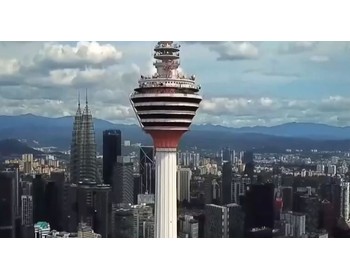
近期,一則重大消息在國際舞臺上引起軒然大波,馬來西亞宣布加入金磚國家。

調查發現,互聯網和智能手機的使用幹擾了韓國近五分之一學生的生活。
© Copyright 2026, All Rights Reserved