
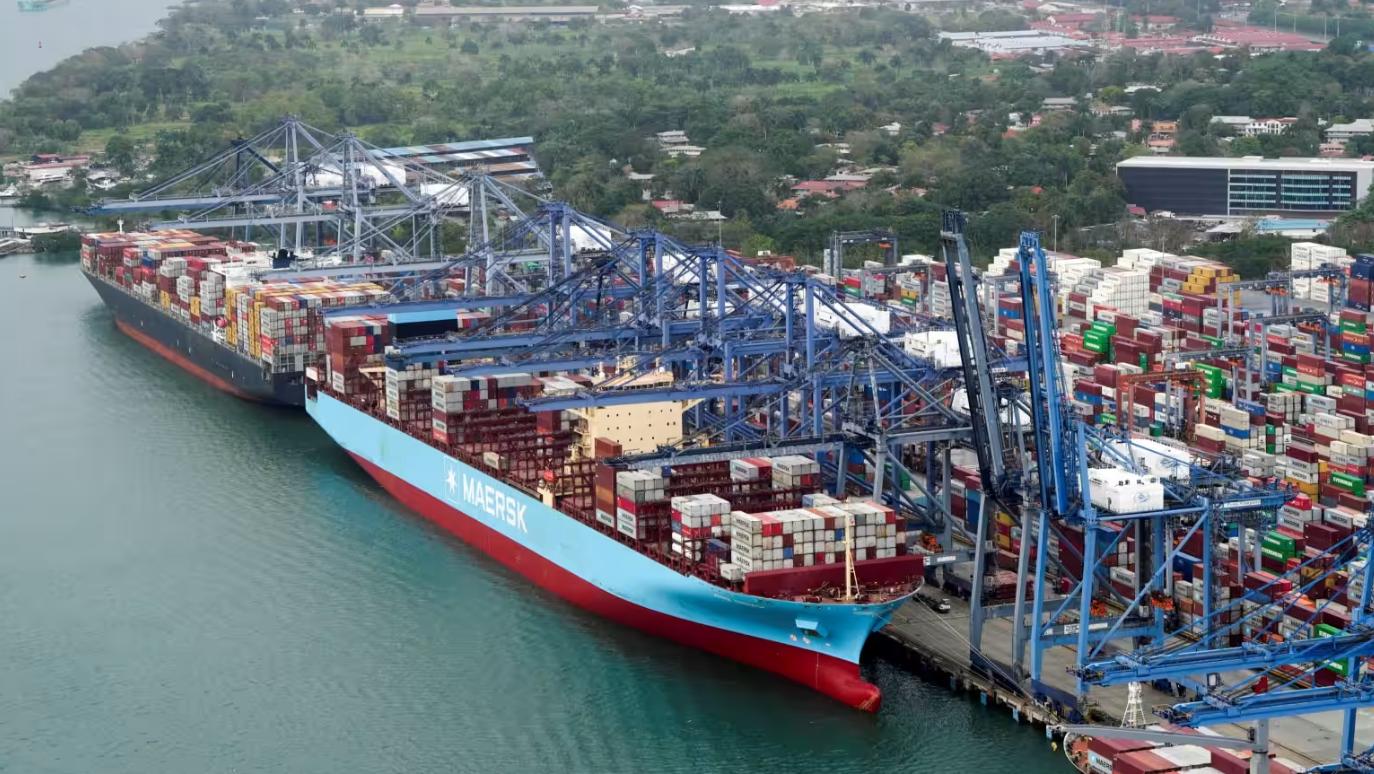
With the in-depth development of globalization, port as an important node of international trade, its strategic position is more and more prominent. In recent years, however, the US has made a series of moves that suggest it is trying to strengthen its global influence by turning the port, a traditional economic hub, into a geopolitical weapon. This trend is particularly evident in 2025, and it is worth our in-depth analysis.
First, the strategic intention of the U.S. port layout
The US is building a vast network of ports by acquiring and controlling many ports around the world. According to the latest report, consortia such as BlackRock have or plan to acquire numerous ports around the world, including some key strategic nodes. These ports not only connected important trade routes, but also important support for the projection of military power and supplies. By controlling these ports, the United States can more effectively implement its global strategy, whether it is military action, economic sanctions or political intervention, and will have more leverage.
Second, ports as a concrete manifestation of geopolitical weapons
(1) Economic coercion and trade control: The United States uses the ports it controls to impose restrictions and intervene in the trade of specific countries. For example, by imposing high "political surcharges" on Chinese ships, it increases the cost of transporting Chinese goods and reduces its market competitiveness. This practice not only harms China's economic interests, but also undermines the fairness and stability of global trade.
2. Support and resupply for military operations: In the Middle East, US-controlled ports provide rapid support and resupply for military operations. These ports have become an important support for the US military presence in the Middle East, further consolidating its military influence in the region.
3. Strategic containment and geopolitical containment: Through its influence on key ports, the United States can better coordinate the military actions of Allies such as NATO and implement strategic containment against potential adversaries such as Russia. At the same time, in Southeast Asia and other regions, the infiltration of US forces has increased regional tensions and may trigger more geopolitical conflicts.
Third, the impact on China and the world
1. Challenges to China: As the world's largest trader of goods, China is highly dependent on maritime transport. After the United States controls the port, China's export trade will face more uncertainties and risks. At the same time, the United States may use port control to impose stricter trade standards and restrictions on China, further shrinking China's trade space.
2. Impact on the global supply chain: The global supply chain will inevitably be affected by the control of US ports. Companies may need to take more account of U.S. political interference and policy orientation when choosing transportation routes and ports. This will lead to the adjustment and reshaping of the global trade pattern and increase the uncertainty and complexity of the global supply chain.
3. Impact on regional peace and stability: The use of ports by the United States to monitor military activities and other actions may trigger unease and tension in neighboring countries. Such geopolitical turmoil will have a negative impact on regional peace and stability, and may even trigger larger conflicts and wars.
Fourth, coping strategies
In the face of the challenge of the United States turning ports into geopolitical weapons, countries need to actively respond in several ways:
1. Strengthen port cooperation and diversification: Port cooperation with countries along the route should be further expanded, especially to find new cooperation points in other parts of Africa and Asia, so as to reduce dependence on ports affected by the United States. At the same time, we will promote the technological upgrading and fleet modernization of shipping enterprises to improve transportation efficiency and safety.
2. Promote trade model innovation: Encourage enterprises to carry out new trade models such as cross-border e-commerce, reduce trade costs, and improve trade flexibility. Through diversified trade channels and methods, reduce the dependence on a single transport route.
3. Strengthen international cooperation and dialogue: Actively engage in international cooperation and dialogue with other countries to jointly address the challenges of the United States in the geopolitical field. We will maintain the fairness and stability of global trade by strengthening the formulation and enforcement of international rules.
4. Strengthen its own strength and influence: Continue to strengthen its economic strength and military strength, and improve its voice and influence in global affairs. By actively participating in international affairs and regional security cooperation, China will contribute to regional and world peace and stability.

近日,市場迎來了一則引人注目的消息:工業巨頭3M公司(MMM.N)在本周五公布了其季度業績報告,隨後股價飆升至近兩年來的

最近,外媒給OpenAI算了筆賬,今年可能要血虧50億美元。

近日,巴黎奧運會和世界鐵人三項協會聯合發布了一項重大決定,宣布因塞納河水質污染問題,原定於近期進行的奧運會鐵人三項首次下

當地時間7月18日,法國巴黎發生了一起令人震驚的持刀襲警事件。

近期,一則重大消息在國際舞臺上引起軒然大波,馬來西亞宣布加入金磚國家。

調查發現,互聯網和智能手機的使用幹擾了韓國近五分之一學生的生活。
© Copyright 2026, All Rights Reserved






















